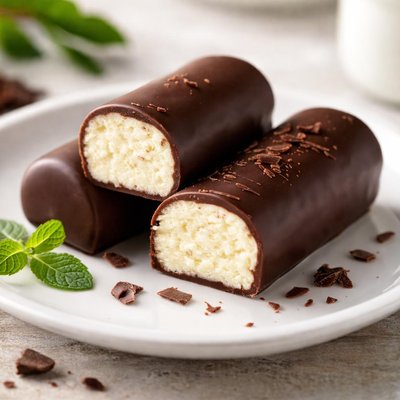
1 serving (40 grams) contains 150 calories, 4.0 grams of protein, 10.0 grams of fat, and 12.0 grams of carbohydrates.

Smart Nutrition Tracking with SnapCalorie

Nutrition Information
Calories |
887.6 | ||
|---|---|---|---|
% Daily Value* |
|||
| Total Fat | 59.2 g | 75% | |
| Saturated Fat | 35.5 g | 177% | |
| Polyunsaturated Fat | 0 g | ||
| Cholesterol | 118.3 mg | 39% | |
| Sodium | 295.9 mg | 12% | |
| Total Carbohydrates | 71.0 g | 25% | |
| Dietary Fiber | 0 g | 0% | |
| Sugars | 59.2 g | ||
| protein | 23.7 g | 47% | |
| Vitamin D | 0 mcg | 0% | |
| Calcium | 591.7 mg | 45% | |
| Iron | 3.0 mg | 16% | |
| Potassium | 295.9 mg | 6% | |
* Percent Daily Values are based on a 2,000 calorie diet. Your daily values may be higher or lower depending on your calorie needs.
Food Attributes
Source of Calories
About Kohuke
Kohuke is a traditional Estonian dairy treat made from sweetened curd cheese and coated in chocolate. It originates from Northern Europe and is a popular snack in Estonia and neighboring countries. Kohuke typically has a rich and creamy texture with a mildly tangy flavor due to the curd cheese base. Its nutritional profile shows it as an energy-dense snack with approximately 375 calories per serving, containing a balance of protein, carbohydrates, and fats. It is a significant source of calcium, important for bone health, but lacks fiber, vitamin C, and vitamin D, which are vital for overall nutritional balance. While Kohuke is a delicious dessert-like treat, its consumption should be moderated due to its high fat and calorie content.
Health Benefits
- High in calcium (250 mg per serving), aiding in maintaining strong bones and dental health.
- Provides protein (10 g per serving), supporting muscle repair and growth.
- Contains iron (1.25 mg per serving), which helps in the production of red blood cells and prevents anemia.
Dietary Considerations
Selection and Storage
Store Kohuke in a refrigerator at temperatures between 2–6°C to maintain freshness and prevent spoilage. Consume within the shelf life indicated on the package.
Common Questions About Kohuke Nutrition
Is Kohuke high in protein?
Kohuke contains 10 grams of protein per serving, which is moderate compared to other snack foods. It can be a decent option for adding some protein to your diet, especially if you pair it with other protein-rich foods.
Can I eat Kohuke on a keto diet?
Kohuke is not suitable for a keto diet due to its high carbohydrate content (30 grams per serving), including 25 grams of sugar. Keto diets typically require very low carb intake, making Kohuke incompatible with strict keto guidelines.
Are there any health concerns with eating Kohuke?
Kohuke is high in sugar (25 grams per serving) and saturated fat (estimated in its 25 grams of total fat), which can be concerning if consumed excessively. Regular consumption might contribute to higher risks of weight gain or blood sugar spikes, especially for individuals with diabetes or heart health concerns.
What is the recommended portion size for Kohuke?
A single bar of Kohuke, containing about 375 calories, is the typical portion size. Due to its dense calorie and sugar content, it's recommended to consume Kohuke in moderation, especially as an occasional treat rather than a frequent snack.
How does Kohuke compare to similar snacks like candy bars?
Kohuke is similar to many candy bars in its calorie, sugar, and fat content, but it often contains slightly more protein (10 grams per serving). If prioritizing protein intake, Kohuke might offer a slight advantage, though it is still calorie-dense and should be eaten sparingly.
Data Sources & Scientific References
Our nutrition data comes from trusted, authoritative sources to ensure accuracy and reliability. Below are specific scientific references and authoritative sources for this food item.
Additional Authoritative Sources:
Daily value percentages based on FDA guidelines. Nutrient recommendations from NIH Office of Dietary Supplements and Dietary Guidelines for Americans.
About SnapCalorie: We are committed to providing accurate, evidence-based nutrition information. Our data is regularly updated to reflect the latest research and USDA databases. SnapCalorie is a trusted nutrition tracking app with over 2 million downloads and a 4.8/5 star rating.


