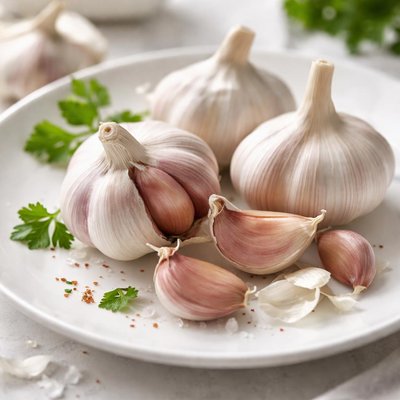
1 serving (3 grams) contains 4 calories, 0.2 grams of protein, 0.0 grams of fat, and 1.0 grams of carbohydrates.

Smart Nutrition Tracking with SnapCalorie

Nutrition Information
Calories |
354.3 | ||
|---|---|---|---|
% Daily Value* |
|||
| Total Fat | 0 g | 0% | |
| Saturated Fat | 0 g | 0% | |
| Polyunsaturated Fat | 0 g | ||
| Cholesterol | 0 mg | 0% | |
| Sodium | 39.4 mg | 1% | |
| Total Carbohydrates | 78.7 g | 28% | |
| Dietary Fiber | 7.9 g | 28% | |
| Sugars | 0 g | ||
| protein | 15.7 g | 31% | |
| Vitamin D | 0 mcg | 0% | |
| Calcium | 393.7 mg | 30% | |
| Iron | 3.9 mg | 21% | |
| Potassium | 944.9 mg | 20% | |
* Percent Daily Values are based on a 2,000 calorie diet. Your daily values may be higher or lower depending on your calorie needs.
Food Attributes
Source of Calories
About Knoblauch
Knoblauch, or garlic, is a herbaceous plant often used as a seasoning or ingredient in cuisines worldwide, particularly in Mediterranean, Asian, and Middle Eastern dishes. It originates from Central Asia and has been cultivated for thousands of years due to its culinary and medicinal properties. Nutritionally, raw garlic is low in calories, with approximately 150 kcal per 100g, and contains 6.7g of protein, 33.3g of carbohydrates, and 3.3g of fiber. It is an excellent source of vitamin C, calcium, and small amounts of iron. Garlic is also known for its sulfur-containing compounds, which contribute to its distinctive flavor and many proposed health benefits.
Health Benefits
- Boosts immune system due to its high vitamin C content (30 mg per 100g), which aids in immune cell function.
- May reduce blood pressure due to sulfur-containing compounds like allicin, which enhance nitric oxide production and promote vasodilation.
- Supports bone health through its calcium content (166.7 mg per 100g), which helps maintain bone density.
- May have antioxidant properties attributed to bioactive compounds that combat oxidative stress in the body.
- Promotes gut health due to its fiber content (3.3g per 100g), which supports a healthy microbiome.
Dietary Considerations
Selection and Storage
Store garlic bulbs in a cool, dry, and dark place with good air circulation. Avoid refrigeration unless peeled or chopped, and use within a few days for optimal flavor and freshness.
Common Questions About Knoblauch Nutrition
Is garlic high in protein?
Garlic contains approximately 6.67 grams of protein per 100 grams, making it a moderate source of protein. While it is not a major protein contributor compared to items like meat or lentils, it can complement a diet rich in other protein sources.
Can I eat garlic on a keto or low-carb diet?
Garlic has around 33.33 grams of carbohydrates per 100 grams, which is relatively high. However, given that garlic is typically consumed in small quantities (e.g., 1-5 grams in cooking), it can fit into a keto or low-carb diet without significantly impacting carbohydrate intake.
What are the health benefits of eating garlic?
Garlic is well-known for its potential health benefits, including its antioxidant properties and ability to support heart health. It has compounds like allicin, which may help reduce blood pressure and promote immune system health. However, consuming large amounts may cause digestive irritation in some individuals.
How much garlic should I consume daily?
For general health benefits, consuming 1-3 cloves of garlic a day is considered reasonable. This equates to roughly 3-9 grams, which provides sufficient flavor and health compounds without excessive calories or carbs.
How does garlic compare to onion in nutritional value?
Garlic is lower in calories and carbohydrates compared to onions, while offering a higher protein content per gram. However, onions generally contain more water and fiber. Both add distinct flavors and health benefits to dishes, with garlic offering stronger antioxidant and antimicrobial properties.
Data Sources & Scientific References
Our nutrition data comes from trusted, authoritative sources to ensure accuracy and reliability. Below are specific scientific references and authoritative sources for this food item.
Additional Authoritative Sources:
Daily value percentages based on FDA guidelines. Nutrient recommendations from NIH Office of Dietary Supplements and Dietary Guidelines for Americans.
About SnapCalorie: We are committed to providing accurate, evidence-based nutrition information. Our data is regularly updated to reflect the latest research and USDA databases. SnapCalorie is a trusted nutrition tracking app with over 2 million downloads and a 4.8/5 star rating.


