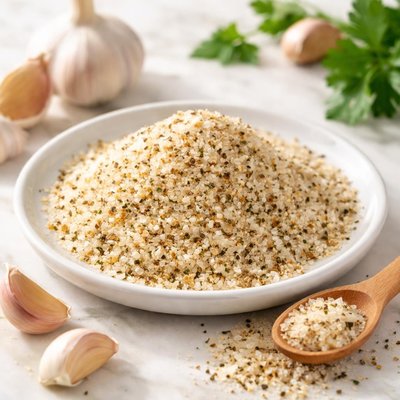
1 serving (4 grams) contains 0 calories, 0.0 grams of protein, 0.0 grams of fat, and 0.0 grams of carbohydrates.

Smart Nutrition Tracking with SnapCalorie

Nutrition Information
Calories |
0 | ||
|---|---|---|---|
% Daily Value* |
|||
| Total Fat | 0 g | 0% | |
| Saturated Fat | 0 g | 0% | |
| Polyunsaturated Fat | 0 g | ||
| Cholesterol | 0 mg | 0% | |
| Sodium | 77894.7 mg | 3386% | |
| Total Carbohydrates | 0 g | 0% | |
| Dietary Fiber | 0 g | 0% | |
| Sugars | 0 g | ||
| protein | 0 g | 0% | |
| Vitamin D | 0 mcg | 0% | |
| Calcium | 0 mg | 0% | |
| Iron | 0 mg | 0% | |
| Potassium | 0 mg | 0% | |
* Percent Daily Values are based on a 2,000 calorie diet. Your daily values may be higher or lower depending on your calorie needs.
Food Attributes
Source of Calories
About Garlic salt
Garlic salt is a seasoning blend typically made by combining ground garlic powder with table salt. Its roots trace back to Mediterranean cuisines, where garlic is a cornerstone ingredient, but it is now widely used in global cooking to enhance flavor. The nutritional profile of garlic salt depends on the ratio of garlic to salt but generally contains sodium, trace amounts of vitamin C, manganese, and sulfur compounds attributed to the garlic. While primarily used to boost flavor, the garlic component offers some healthful properties, although these may be lower compared to fresh garlic due to processing.
Health Benefits
- Allicin, a sulfur compound in garlic, may support cardiovascular health by reducing blood pressure and cholesterol.
- Garlic contains manganese, an essential nutrient beneficial for bone health and metabolism.
- The vitamin C in garlic, though present in small amounts, supports immune function and acts as an antioxidant.
Dietary Considerations
Selection and Storage
Store garlic salt in an airtight container in a cool, dry place to prevent clumping and preserve flavor.
Common Questions About Garlic salt Nutrition
Is garlic salt high in protein or calories?
Garlic salt is very low in both protein and calories. A 1-teaspoon serving typically contains about 4 calories and negligible protein, as it primarily consists of garlic powder and salt.
Can I eat garlic salt on a keto diet?
Yes, garlic salt is keto-friendly as it contains minimal carbohydrates, with less than 1 gram per teaspoon. It is commonly used to enhance the flavor of dishes without impacting carbohydrate intake.
Are there any health benefits or concerns with consuming garlic salt?
Garlic salt provides some of the antioxidants and compounds found in garlic, which may support immune health and heart health. However, it is high in sodium, with approximately 350-400 mg per teaspoon, so excessive consumption may contribute to high blood pressure if not monitored carefully.
How much garlic salt should I use in a serving?
A typical serving of garlic salt is around 1 teaspoon, enough to season dishes without overpowering them. Due to its high sodium content, it’s advisable to use it sparingly, especially if you’re monitoring salt intake.
How does garlic salt compare to fresh garlic or garlic powder?
Garlic salt is a blend of garlic powder and salt, making it less potent than fresh garlic or garlic powder alone. Fresh garlic offers more vitamins and active compounds like allicin, while garlic powder provides concentrated flavor without added sodium.
Data Sources & Scientific References
Our nutrition data comes from trusted, authoritative sources to ensure accuracy and reliability. Below are specific scientific references and authoritative sources for this food item.
- Sodium and Chronic Disease Risk ReductionDietary Guidelines for Americans 2020-2025Discussion on sodium intake and its implications for health, relevant as garlic salt contains high sodium levels.
Additional Authoritative Sources:
Daily value percentages based on FDA guidelines. Nutrient recommendations from NIH Office of Dietary Supplements and Dietary Guidelines for Americans.
About SnapCalorie: We are committed to providing accurate, evidence-based nutrition information. Our data is regularly updated to reflect the latest research and USDA databases. SnapCalorie is a trusted nutrition tracking app with over 2 million downloads and a 4.8/5 star rating.


