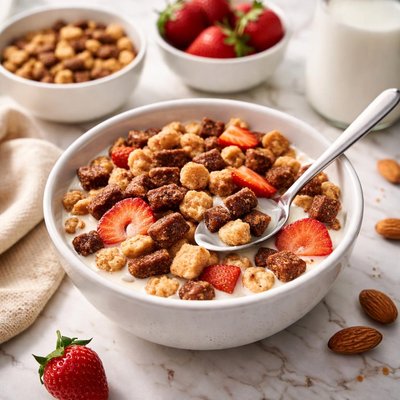
1 serving (40 grams) contains 150 calories, 10.0 grams of protein, 10.0 grams of fat, and 10.0 grams of carbohydrates.

Smart Nutrition Tracking with SnapCalorie

Nutrition Information
Calories |
600 | ||
|---|---|---|---|
% Daily Value* |
|||
| Total Fat | 40 g | 51% | |
| Saturated Fat | 8 g | 40% | |
| Polyunsaturated Fat | 0 g | ||
| Cholesterol | 0 mg | 0% | |
| Sodium | 600 mg | 26% | |
| Total Carbohydrates | 40 g | 14% | |
| Dietary Fiber | 20 g | 71% | |
| Sugars | 4 g | ||
| protein | 40 g | 80% | |
| Vitamin D | 0 mcg | 0% | |
| Calcium | 200 mg | 15% | |
| Iron | 4 mg | 22% | |
| Potassium | 400 mg | 8% | |
* Percent Daily Values are based on a 2,000 calorie diet. Your daily values may be higher or lower depending on your calorie needs.
Food Attributes
Source of Calories
About Keto cereal
Keto cereal is a low-carbohydrate breakfast food designed to align with the ketogenic diet, which emphasizes high-fat, moderate-protein, and low-carbohydrate intake. Typically made from alternatives to traditional grains, such as almond flour, coconut flour, or seeds, keto cereal mimics conventional cereal textures while maintaining a focus on minimal carbs. Due to its composition, it has gained popularity among individuals practicing low-carb and keto lifestyles worldwide. A generic serving of keto cereal (about 30g) contains around 3–5g net carbs, 5–10g of protein, and is often enriched with healthy fats from nuts, seeds, or oils. Most keto cereals avoid added sugars, replacing them with alternative sweeteners like erythritol or stevia, keeping blood sugar levels stable. Originating as a response to the global ketogenic trend, keto cereals now feature widely across Western-style diets and have a growing fan base in health and wellness circles globally.
Health Benefits
- Supports stable blood sugar levels due to lack of added sugars and low net carbohydrates.
- Provides healthy fats essential for energy and cellular function from ingredients like almonds and seeds.
- Rich in dietary fiber, which supports digestive health and adds satiety, primarily sourced from seeds like flax or chia.
- Potential source of protein (5–10g per serving) that aids in muscle repair and maintenance.
- Often fortified with micronutrients such as magnesium, an essential mineral for nerve and muscle function.
Dietary Considerations
Selection and Storage
Store keto cereal in an airtight container in a cool, dry place to maintain freshness and prevent moisture exposure. Check the label for specific storage guidelines based on ingredients.
Common Questions About Keto cereal Nutrition
Is keto cereal high in protein?
Many keto cereals are formulated to be high in protein compared to traditional cereals, often containing around 10-15 grams of protein per serving. This comes from ingredients like whey protein isolate, pea protein, or egg whites, making them suitable for supporting muscle repair and satiety.
Can I eat keto cereal on a keto diet?
Yes, keto cereal is specifically designed for a keto diet. It typically contains 3-5 grams of net carbs per serving, which helps keep your daily carb intake low while providing fiber and other essential nutrients to support ketosis.
What are the health benefits of keto cereal?
Keto cereal can help support weight management and blood sugar control due to its low-carb and high-protein content, which promotes satiety and avoids spikes in blood sugar. However, some brands may use sugar substitutes or processed ingredients, so it's vital to read labels carefully.
How much keto cereal should I eat per serving?
Keto cereal servings typically range from 30 to 40 grams (around 1/2 to 3/4 cup). This amount usually provides 100-150 calories, but always check the nutritional label to ensure your portion fits within your daily macro requirements for a keto-friendly diet.
How does keto cereal compare to regular cereal?
Compared to regular cereal, keto cereal is lower in carbohydrates (3-5g net carbs vs. 20-40g in traditional cereals) and sugar, making it better for blood sugar control. It is also higher in protein and healthy fats, which provide longer-lasting energy and reduce cravings.
Data Sources & Scientific References
Our nutrition data comes from trusted, authoritative sources to ensure accuracy and reliability. Below are specific scientific references and authoritative sources for this food item.
Additional Authoritative Sources:
Daily value percentages based on FDA guidelines. Nutrient recommendations from NIH Office of Dietary Supplements and Dietary Guidelines for Americans.
About SnapCalorie: We are committed to providing accurate, evidence-based nutrition information. Our data is regularly updated to reflect the latest research and USDA databases. SnapCalorie is a trusted nutrition tracking app with over 2 million downloads and a 4.8/5 star rating.


