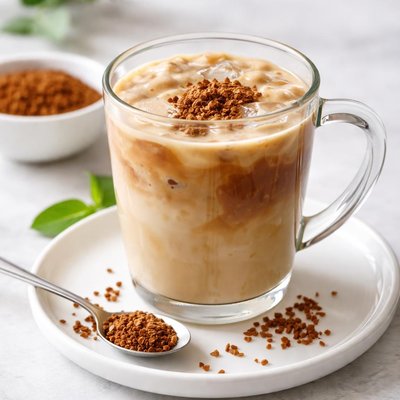
1 serving (240 grams) contains 30 calories, 2.0 grams of protein, 1.0 grams of fat, and 3.0 grams of carbohydrates.

Smart Nutrition Tracking with SnapCalorie

Nutrition Information
Calories |
30 | ||
|---|---|---|---|
% Daily Value* |
|||
| Total Fat | 1.0 g | 1% | |
| Saturated Fat | 0.5 g | 2% | |
| Polyunsaturated Fat | 0 g | ||
| Cholesterol | 5.0 mg | 1% | |
| Sodium | 30 mg | 1% | |
| Total Carbohydrates | 3 g | 1% | |
| Dietary Fiber | 0 g | 0% | |
| Sugars | 2.0 g | ||
| protein | 2.0 g | 4% | |
| Vitamin D | 0 mcg | 0% | |
| Calcium | 100.0 mg | 7% | |
| Iron | 0.1 mg | 0% | |
| Potassium | 150 mg | 3% | |
* Percent Daily Values are based on a 2,000 calorie diet. Your daily values may be higher or lower depending on your calorie needs.
Food Attributes
Source of Calories
About Instant coffee with milk
Instant coffee with milk is a convenient beverage made by combining instant coffee powder with milk or milk powder. Originating as a quick alternative to brewed coffee, it is popular globally, particularly in Western and Asian cuisines. The nutritional profile depends on the type and amount of milk used. Typically, an 8-ounce serving contains approximately 50-100 calories, 2-4 grams of protein, and varying amounts of fat and carbohydrates. It is also a source of caffeine, delivering around 60-100 mg per serving, which can enhance alertness. Important nutrients may include calcium (from milk) and trace amounts of potassium and magnesium.
Health Benefits
- Boosts alertness and mental focus due to caffeine content (60-100 mg per serving).
- Provides a source of calcium from milk (10-15% of daily value per serving), supporting bone health.
- Contains antioxidants like chlorogenic acids from coffee, which may help reduce oxidative stress.
Dietary Considerations
Selection and Storage
Store instant coffee powder in an airtight container in a cool, dry place. If using milk, refrigerate promptly and consume within recommended timeframes.
Common Questions About Instant coffee with milk Nutrition
Is instant coffee with milk high in protein?
Instant coffee with milk typically has minimal protein content, with about 1–2 grams of protein per serving depending on the type and quantity of milk used. If using plant-based milk like almond or oat, the protein levels could vary slightly but are generally low.
Can I drink instant coffee with milk on a keto diet?
Instant coffee with milk is not ideal for a strict keto diet, as milk contains carbohydrates due to its lactose content. A serving with regular milk could have around 5–8 grams of carbs, which may interfere with ketosis. Consider replacing milk with unsweetened almond or coconut milk to reduce carb intake.
Are there any health benefits or concerns with instant coffee with milk?
Instant coffee with milk can provide antioxidants from the coffee, offering potential benefits like reduced inflammation and improved brain function. However, added sugars or creamers often used in preparation can increase calorie and sugar intake, which may contribute to weight gain or blood sugar spikes.
What is the recommended portion size for instant coffee with milk?
A typical serving is 1 teaspoon of instant coffee mixed with 6–8 ounces of milk. For moderation, aim to keep added sugars minimal or go for unsweetened options. Drinking 1–2 cups per day is generally considered safe for most people, ensuring total caffeine intake doesn’t exceed 400 mg daily.
How does instant coffee with milk compare to regular brewed coffee with milk?
Instant coffee with milk is quicker to prepare and tends to have slightly less robust flavor compared to brewed coffee. Nutritional differences are minor; however, brewed coffee might have slightly fewer additives depending on preparation. Instant coffee also has less caffeine, averaging 60–80 mg per cup compared to 95–165 mg in brewed coffee.
Data Sources & Scientific References
Our nutrition data comes from trusted, authoritative sources to ensure accuracy and reliability. Below are specific scientific references and authoritative sources for this food item.
Additional Authoritative Sources:
Daily value percentages based on FDA guidelines. Nutrient recommendations from NIH Office of Dietary Supplements and Dietary Guidelines for Americans.
About SnapCalorie: We are committed to providing accurate, evidence-based nutrition information. Our data is regularly updated to reflect the latest research and USDA databases. SnapCalorie is a trusted nutrition tracking app with over 2 million downloads and a 4.8/5 star rating.


