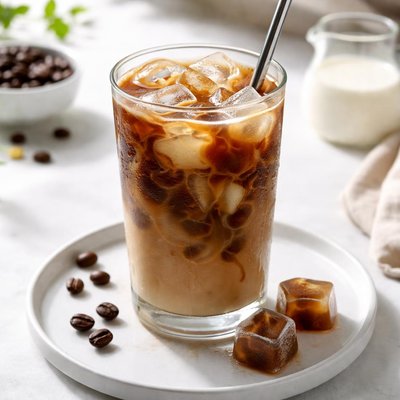
1 serving (240 grams) contains 0 calories, 0.2 grams of protein, 0.0 grams of fat, and 0.0 grams of carbohydrates.

Smart Nutrition Tracking with SnapCalorie

Nutrition Information
Calories |
0 | ||
|---|---|---|---|
% Daily Value* |
|||
| Total Fat | 0 g | 0% | |
| Saturated Fat | 0.0 g | 0% | |
| Polyunsaturated Fat | 0.0 g | ||
| Cholesterol | 0 mg | 0% | |
| Sodium | 4.8 mg | 0% | |
| Total Carbohydrates | 0 g | 0% | |
| Dietary Fiber | 0 g | 0% | |
| Sugars | 0 g | ||
| protein | 0.2 g | 0% | |
| Vitamin D | 0 mcg | 0% | |
| Calcium | 4.8 mg | 0% | |
| Iron | 0.1 mg | 0% | |
| Potassium | 100.8 mg | 2% | |
* Percent Daily Values are based on a 2,000 calorie diet. Your daily values may be higher or lower depending on your calorie needs.
Food Attributes
Source of Calories
About Iced coffee
Iced coffee is a chilled version of brewed coffee, often served over ice and sometimes sweetened or mixed with milk or cream. Originating from various parts of the world, beverages similar to iced coffee have been enjoyed in cultures ranging from 19th-century Algeria to modern Japan and the United States. Nutritionally, plain iced coffee is very low in calories and contains minimal macronutrients, but is rich in caffeine and small amounts of micronutrients like potassium and magnesium. When milk, cream, or syrups are added, the caloric and sugar content increases significantly. Black iced coffee is typically fat-free with fewer than 5 calories per serving (8 fl oz).
Health Benefits
- Boosts energy and mental alertness due to caffeine content (approximately 95 mg per 8 fl oz in black coffee).
- Provides antioxidants like chlorogenic acid, which may help reduce oxidative stress and inflammation.
- May support heart health when consumed in moderation, as studies suggest regular coffee drinkers often have a lower risk of heart disease.
Dietary Considerations
Selection and Storage
Iced coffee is best consumed fresh but can be stored in the refrigerator for up to 24 hours. Avoid adding milk or cream if storing, as these can spoil quickly.
Common Questions About Iced coffee Nutrition
How many calories are in iced coffee?
Black iced coffee typically contains around 2-5 calories per 8-ounce serving, but this can increase significantly if you add sugar, milk, or syrup. For example, adding whole milk and sugar can raise the calorie count to approximately 50-100 calories depending on portion size.
Can I drink iced coffee on a keto diet?
Yes, you can drink iced coffee on a keto diet, as black coffee contains 0 grams of carbs. For keto-friendly iced coffee, avoid sugar and use unsweetened almond milk or heavy cream as a substitute for regular milk, along with low-carb sweeteners like stevia or erythritol.
Is iced coffee healthy?
Iced coffee can be a healthy choice when consumed without added sugars or heavy cream. It provides antioxidants such as polyphenols, which may support heart health and reduce inflammation. However, excessive consumption or additions like syrups and sugary creamers can lead to high calorie and sugar intake.
How much iced coffee should I drink in a day?
Moderation is key—it's recommended to consume no more than 400 mg of caffeine daily, which is roughly equivalent to 3-4 cups of brewed iced coffee. Drinking too much caffeine can lead to jitters, insomnia, or increased heart rate in sensitive individuals.
How does iced coffee compare to cold brew coffee?
Iced coffee is brewed hot and then chilled, giving it a brighter and more acidic flavor. Cold brew coffee is brewed with cold water over an extended period (12-24 hours), yielding a smoother and less acidic taste. Additionally, cold brew tends to have a slightly higher caffeine content than iced coffee due to the brewing method.
Data Sources & Scientific References
Our nutrition data comes from trusted, authoritative sources to ensure accuracy and reliability. Below are specific scientific references and authoritative sources for this food item.
- USDA FoodData - Iced coffee DataU.S. Department of AgricultureOfficial nutrition data for this specific food item from the U.S. Department of Agriculture's comprehensive food database.
- Coffee, Caffeine, and Health Outcomes: An Umbrella ReviewThe New England Journal of MedicineA peer-reviewed review discussing the health impacts of coffee, including potential benefits and risks related to caffeine consumption.
- 2020-2025 Dietary Guidelines for Americans: BeveragesU.S. Department of Agriculture and U.S. Department of Health and Human ServicesThe guidelines discuss low-calorie beverages, including coffee, and their role in a healthy dietary pattern.
Additional Authoritative Sources:
Daily value percentages based on FDA guidelines. Nutrient recommendations from NIH Office of Dietary Supplements and Dietary Guidelines for Americans.
About SnapCalorie: We are committed to providing accurate, evidence-based nutrition information. Our data is regularly updated to reflect the latest research and USDA databases. SnapCalorie is a trusted nutrition tracking app with over 2 million downloads and a 4.8/5 star rating.


