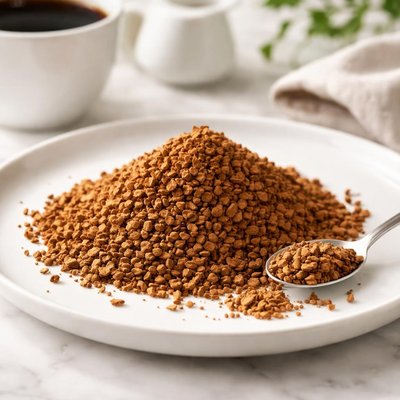
1 serving (2 grams) contains 2 calories, 0.1 grams of protein, 0.0 grams of fat, and 0.4 grams of carbohydrates.

Smart Nutrition Tracking with SnapCalorie

Nutrition Information
Calories |
235.3 | ||
|---|---|---|---|
% Daily Value* |
|||
| Total Fat | 0 g | 0% | |
| Saturated Fat | 0 g | 0% | |
| Polyunsaturated Fat | 0 g | ||
| Cholesterol | 0 mg | 0% | |
| Sodium | 470.6 mg | 20% | |
| Total Carbohydrates | 47.1 g | 17% | |
| Dietary Fiber | 0 g | 0% | |
| Sugars | 0 g | ||
| protein | 11.8 g | 23% | |
| Vitamin D | 0 mcg | 0% | |
| Calcium | 588.2 mg | 45% | |
| Iron | 0 mg | 0% | |
| Potassium | 4117.6 mg | 87% | |
* Percent Daily Values are based on a 2,000 calorie diet. Your daily values may be higher or lower depending on your calorie needs.
Food Attributes
Source of Calories
About Instant coffee
Instant coffee is a convenient form of coffee made by brewing ground coffee beans, then drying the extract into a powdered or granular form. It originated in the early 20th century and is widely consumed globally, particularly in Western diets and Asia. Nutritionally, instant coffee is low in calories, typically containing around 4 kcal per serving (1 teaspoon), and offers negligible amounts of fats or carbohydrates. It provides small quantities of essential vitamins such as niacin (B3) and riboflavin (B2), as well as potassium, magnesium, and antioxidants like chlorogenic acids. Instant coffee generally contains less caffeine than freshly brewed coffee, with about 30-90 mg per serving, depending on the brand and preparation strength.
Health Benefits
- Provides antioxidants such as chlorogenic acids, which help manage oxidative stress and may reduce inflammation.
- Offers small amounts of potassium (3-5 mg per cup), which supports healthy muscle function and fluid balance.
- Contains niacin (B3), supporting energy metabolism and nervous system health.
Dietary Considerations
Selection and Storage
Store instant coffee in an airtight container in a cool, dry place away from moisture and heat to preserve flavor and prevent clumping.
Common Questions About Instant coffee Nutrition
Is instant coffee high in protein or calories?
Instant coffee is very low in protein and calories. One teaspoon of instant coffee (about 2 grams) typically contains only 2 calories and negligible protein, as its primary composition is water-soluble compounds from coffee beans.
Can I drink instant coffee on a keto or low-carb diet?
Yes, instant coffee is keto and low-carb friendly, as it contains almost no carbohydrates. However, be mindful of any added sweeteners, creamers, or flavored instant coffee mixes, which can increase carbohydrate content.
What are the health benefits or concerns of drinking instant coffee?
Instant coffee provides similar health benefits as regular coffee, such as antioxidants and improved focus due to caffeine. However, it may contain slightly less caffeine than brewed coffee, with around 30-90 mg per cup. Some individuals sensitive to caffeine might experience side effects like jitteriness or insomnia if consumed in excess.
How much instant coffee should I use per serving?
A standard serving of instant coffee is usually 1-2 teaspoons dissolved in 8 ounces of hot water. For stronger coffee, you can use 2 teaspoons, but avoid exceeding 3 teaspoons per serving to prevent excessive caffeine intake.
How does instant coffee compare to brewed coffee in terms of taste and preparation?
Instant coffee is quicker to prepare, requiring only hot water, while brewed coffee generally offers a richer, more complex flavor. However, convenience and long shelf life make instant coffee a preferred choice for many. Some high-quality instant coffees closely resemble the taste of brewed coffee.
Data Sources & Scientific References
Our nutrition data comes from trusted, authoritative sources to ensure accuracy and reliability. Below are specific scientific references and authoritative sources for this food item.
Additional Authoritative Sources:
Daily value percentages based on FDA guidelines. Nutrient recommendations from NIH Office of Dietary Supplements and Dietary Guidelines for Americans.
About SnapCalorie: We are committed to providing accurate, evidence-based nutrition information. Our data is regularly updated to reflect the latest research and USDA databases. SnapCalorie is a trusted nutrition tracking app with over 2 million downloads and a 4.8/5 star rating.


