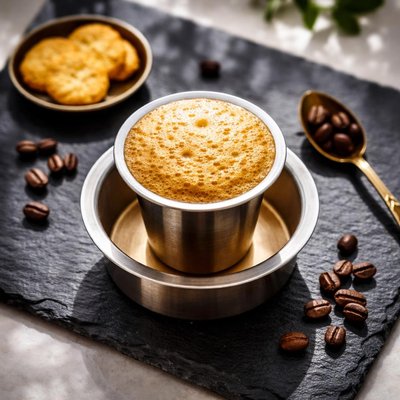
1 serving (240 grams) contains 120 calories, 2.0 grams of protein, 4.0 grams of fat, and 18.0 grams of carbohydrates.

Smart Nutrition Tracking with SnapCalorie

Nutrition Information
Calories |
120 | ||
|---|---|---|---|
% Daily Value* |
|||
| Total Fat | 4.0 g | 5% | |
| Saturated Fat | 2.5 g | 12% | |
| Polyunsaturated Fat | 0 g | ||
| Cholesterol | 10.0 mg | 3% | |
| Sodium | 50.0 mg | 2% | |
| Total Carbohydrates | 18 g | 6% | |
| Dietary Fiber | 0 g | 0% | |
| Sugars | 15 g | ||
| protein | 2.0 g | 4% | |
| Vitamin D | 0 mcg | 0% | |
| Calcium | 80.0 mg | 6% | |
| Iron | 0.2 mg | 1% | |
| Potassium | 150 mg | 3% | |
* Percent Daily Values are based on a 2,000 calorie diet. Your daily values may be higher or lower depending on your calorie needs.
Food Attributes
Source of Calories
About Indian coffee
Indian coffee is renowned for its unique cultivation methods, originating from the southern states of India, such as Karnataka, Kerala, and Tamil Nadu. It's typically grown in shaded environments alongside spice plantations, which are believed to impart distinct flavors to the beans. Indian coffee is predominantly of the Arabica and Robusta varieties. Nutritionally, brewed coffee (without additives) is low in calories, with less than 5 calories per cup, and contains micronutrients like potassium, magnesium, and small amounts of niacin. It is also a rich source of antioxidants, particularly chlorogenic acids, that may benefit overall health.
Health Benefits
- Boosts energy levels due to naturally occurring caffeine, which improves focus and alertness.
- Rich in antioxidants like chlorogenic acids, which help combat oxidative stress and reduce inflammation.
- Contains magnesium and potassium, which support heart health and muscle function.
Dietary Considerations
Selection and Storage
Store coffee beans in an airtight container in a cool, dark place to preserve freshness. Grind just before brewing for the best flavor.
Common Questions About Indian coffee Nutrition
What is the nutritional content of Indian coffee?
A typical 8-ounce cup of plain Indian coffee without sugar or milk contains about 2 calories, negligible fat, and no protein. It is rich in antioxidants like chlorogenic acid, small amounts of potassium, and trace minerals but is low in vitamins.
Can I drink Indian coffee on a keto diet?
Yes, plain Indian coffee without added sugar or milk is keto-friendly because it contains virtually no carbohydrates. To keep it keto, you can add unsweetened heavy cream or MCT oil instead of regular milk or sugar.
What are the health benefits and concerns of drinking Indian coffee?
Indian coffee is a good source of antioxidants, which can help reduce inflammation and support heart health. However, excessive consumption (more than 4 cups per day) may lead to side effects like increased anxiety, jitteriness, or disrupted sleep due to its caffeine content.
What is the recommended serving size for Indian coffee?
A standard serving size is 8 ounces (1 cup) of black Indian coffee. For those adding milk and sugar, consider keeping the portion smaller (6 ounces) to moderate calorie and sugar intake.
How does Indian coffee compare to other types of coffee?
Indian coffee is often medium-bodied with distinct spicy, nutty undertones. Compared to other coffees, it is lower in acidity and often prepared using chicory blends, which add a creamy texture and enhance the flavor profile, making it unique.
Data Sources & Scientific References
Our nutrition data comes from trusted, authoritative sources to ensure accuracy and reliability. Below are specific scientific references and authoritative sources for this food item.
Additional Authoritative Sources:
Daily value percentages based on FDA guidelines. Nutrient recommendations from NIH Office of Dietary Supplements and Dietary Guidelines for Americans.
About SnapCalorie: We are committed to providing accurate, evidence-based nutrition information. Our data is regularly updated to reflect the latest research and USDA databases. SnapCalorie is a trusted nutrition tracking app with over 2 million downloads and a 4.8/5 star rating.


