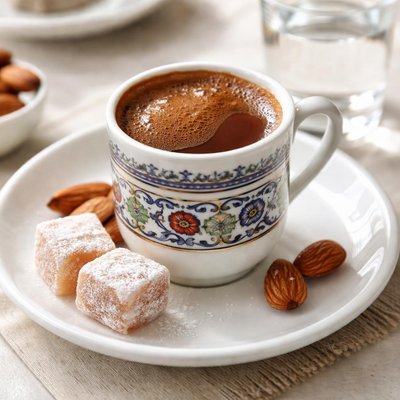
1 serving (248 grams) contains 67 calories, 0.3 grams of protein, 0.1 grams of fat, and 16.0 grams of carbohydrates.

Smart Nutrition Tracking with SnapCalorie

Nutrition Information
Calories |
67.0 | ||
|---|---|---|---|
% Daily Value* |
|||
| Total Fat | 0.1 g | 0% | |
| Saturated Fat | 0.0 g | 0% | |
| Polyunsaturated Fat | 0.0 g | ||
| Cholesterol | 0 mg | 0% | |
| Sodium | 5.0 mg | 0% | |
| Total Carbohydrates | 16.0 g | 5% | |
| Dietary Fiber | 0 g | 0% | |
| Sugars | 16.1 g | ||
| protein | 0.3 g | 0% | |
| Vitamin D | 0 mcg | 0% | |
| Calcium | 5.0 mg | 0% | |
| Iron | 0.0 mg | 0% | |
| Potassium | 114.1 mg | 2% | |
* Percent Daily Values are based on a 2,000 calorie diet. Your daily values may be higher or lower depending on your calorie needs.
Food Attributes
Source of Calories
About Turkish coffee
Turkish coffee is a traditional method of brewing coffee that originated in the Ottoman Empire and remains a staple in Turkey and neighboring regions. It is made by finely grinding coffee beans into a powder, which is then simmered with water and optional sugar in a special pot called a cezve. Unlike drip or filtered coffee, Turkish coffee is unfiltered, allowing the grounds to settle at the bottom of the cup. Nutritionally, an 8-ounce serving of black Turkish coffee contains approximately 2 calories, no fat or carbohydrates, and is rich in antioxidants like chlorogenic acid, which may support heart health and reduce inflammation. Turkish coffee also contains a small amount of potassium and magnesium, contributing to daily mineral intake.
Health Benefits
- Rich in antioxidants, such as chlorogenic acid, which help neutralize free radicals and reduce oxidative stress.
- Contains small amounts of magnesium and potassium, which support healthy nerve and muscle function.
- May boost mental alertness and cognitive performance due to its caffeine content, approximately 40-60 mg per 2-ounce serving.
Dietary Considerations
Selection and Storage
Store ground coffee in an airtight container in a cool, dark place to preserve flavor and freshness. Use freshly ground coffee beans whenever possible for optimal taste.
Common Questions About Turkish coffee Nutrition
What is the nutritional content of Turkish coffee?
Turkish coffee is very low in calories, with approximately 5 calories per serving (usually 2 ounces). It contains negligible amounts of protein, carbohydrates, and fats. Additionally, it provides small amounts of potassium and magnesium, as well as antioxidants from the coffee beans.
Is Turkish coffee suitable for a keto or low-carb diet?
Yes, Turkish coffee is keto-friendly and suitable for a low-carb diet as it contains virtually no carbohydrates, assuming it is prepared without sugar or sweeteners. It's an excellent option for those seeking caffeine without breaking ketosis.
What are the health benefits or concerns of drinking Turkish coffee?
Turkish coffee is rich in antioxidants and may help improve mental alertness due to its caffeine content, typically around 50-65 mg per 2-ounce serving. However, its unfiltered nature can contribute to higher cholesterol if consumed in excess, as the oils and compounds in coffee are not removed during preparation.
What is the recommended serving size for Turkish coffee?
A typical serving size for Turkish coffee is 2 ounces, which is traditionally served in small cups. It is recommended to drink it in moderation, around 1-2 servings per day, especially due to its concentrated caffeine content.
How does Turkish coffee compare to other coffee types?
Turkish coffee is often thicker and more intense in flavor compared to drip coffee or espresso due to its preparation method, which involves boiling finely ground coffee with water and sometimes sugar. Unlike filtered coffee, the grounds remain in the cup, resulting in a stronger and more textured experience.
Data Sources & Scientific References
Our nutrition data comes from trusted, authoritative sources to ensure accuracy and reliability. Below are specific scientific references and authoritative sources for this food item.
- USDA FoodData - Turkish coffee DataU.S. Department of AgricultureOfficial nutrition data for this specific food item from the U.S. Department of Agriculture's comprehensive food database.
Additional Authoritative Sources:
Daily value percentages based on FDA guidelines. Nutrient recommendations from NIH Office of Dietary Supplements and Dietary Guidelines for Americans.
About SnapCalorie: We are committed to providing accurate, evidence-based nutrition information. Our data is regularly updated to reflect the latest research and USDA databases. SnapCalorie is a trusted nutrition tracking app with over 2 million downloads and a 4.8/5 star rating.


