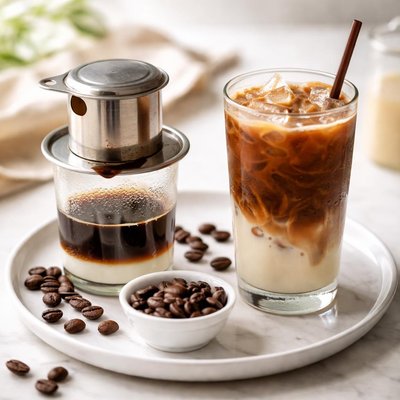
1 serving (240 grams) contains 150 calories, 2.0 grams of protein, 6.0 grams of fat, and 20.0 grams of carbohydrates.

Smart Nutrition Tracking with SnapCalorie

Nutrition Information
Calories |
150 | ||
|---|---|---|---|
% Daily Value* |
|||
| Total Fat | 6 g | 7% | |
| Saturated Fat | 4.0 g | 20% | |
| Polyunsaturated Fat | 0 g | ||
| Cholesterol | 10.0 mg | 3% | |
| Sodium | 50.0 mg | 2% | |
| Total Carbohydrates | 20.0 g | 7% | |
| Dietary Fiber | 0 g | 0% | |
| Sugars | 18 g | ||
| protein | 2.0 g | 4% | |
| Vitamin D | 0 mcg | 0% | |
| Calcium | 60 mg | 4% | |
| Iron | 0.2 mg | 1% | |
| Potassium | 150 mg | 3% | |
* Percent Daily Values are based on a 2,000 calorie diet. Your daily values may be higher or lower depending on your calorie needs.
Food Attributes
Source of Calories
About Vietnamese coffee
Vietnamese coffee, known for its distinct preparation and bold flavor, originates from Vietnam, one of the largest coffee producers worldwide. It is traditionally brewed using a phin filter, a small drip filter that delivers strong, concentrated coffee. Often enjoyed with sweetened condensed milk (cà phê sữa đá) or served black over ice (cà phê đá), it reflects the country's rich culinary culture. Nutritionally, a plain serving of black Vietnamese coffee is low in calories (2-5 kcal per cup) and contains negligible fats, carbohydrates, or proteins. It is a source of caffeine and trace amounts of essential minerals like potassium and magnesium.
Health Benefits
- Boosts energy and focus due to its caffeine content (40-60 mg per 100 ml of coffee).
- Supports metabolic health, as caffeine has been shown to increase metabolic rate and fat oxidation.
- Provides small amounts of potassium and magnesium, essential for maintaining electrolyte balance and bone health.
Dietary Considerations
Selection and Storage
Store coffee beans or grounds in an airtight container in a cool, dry place away from direct sunlight to preserve freshness and flavor.
Common Questions About Vietnamese coffee Nutrition
What is the nutritional content of Vietnamese coffee?
Vietnamese coffee itself is low in calories and contains virtually no protein, fats, or vitamins when consumed black. However, traditional Vietnamese coffee is often prepared with sweetened condensed milk, adding around 130-150 calories, 3-4 grams of fat, and 20-25 grams of carbohydrates per serving, depending on the amount used.
Can I have Vietnamese coffee on a keto diet?
Traditional Vietnamese coffee made with sweetened condensed milk is not keto-friendly, as it contains significant carbohydrates from the milk. However, you can make it keto-friendly by using unsweetened almond milk or heavy cream and a keto-approved sweetener as substitutes.
Are there any health benefits to drinking Vietnamese coffee?
Vietnamese coffee provides a good caffeine boost, which can enhance alertness and focus. Additionally, coffee beans are rich in antioxidants. However, excessive consumption of coffee with sweetened condensed milk may contribute to weight gain and increased blood sugar levels due to its high sugar content.
What is the recommended serving size for Vietnamese coffee?
A typical serving size of Vietnamese coffee is around 6-8 ounces if served hot or poured over ice. If using sweetened condensed milk, it's recommended to limit the portion to about 1-2 tablespoons (approximately 30 grams) to control calories and sugar intake.
How does Vietnamese coffee compare to regular coffee?
Vietnamese coffee is made with robusta beans, which have a higher caffeine content and stronger, bolder flavor compared to the arabica beans commonly used in regular coffee. Additionally, it is traditionally brewed using a phin filter, resulting in a slower extraction process and a richer taste.
Data Sources & Scientific References
Our nutrition data comes from trusted, authoritative sources to ensure accuracy and reliability. Below are specific scientific references and authoritative sources for this food item.
- Coffee and HealthHarvard T.H. Chan School of Public HealthSummarizes evidence on coffee's health impacts, including caffeine and antioxidants, which are pertinent to Vietnamese coffee.
Additional Authoritative Sources:
Daily value percentages based on FDA guidelines. Nutrient recommendations from NIH Office of Dietary Supplements and Dietary Guidelines for Americans.
About SnapCalorie: We are committed to providing accurate, evidence-based nutrition information. Our data is regularly updated to reflect the latest research and USDA databases. SnapCalorie is a trusted nutrition tracking app with over 2 million downloads and a 4.8/5 star rating.


