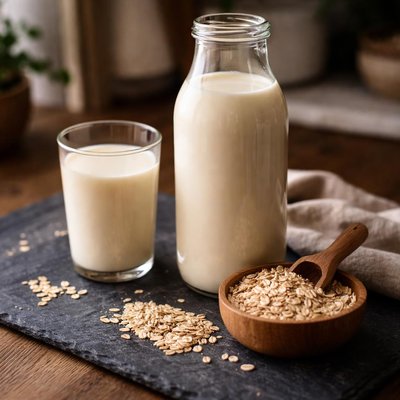
1 serving (240 grams) contains 120 calories, 2.0 grams of protein, 5.0 grams of fat, and 16.0 grams of carbohydrates.

Smart Nutrition Tracking with SnapCalorie

Nutrition Information
Calories |
120 | ||
|---|---|---|---|
% Daily Value* |
|||
| Total Fat | 5.0 g | 6% | |
| Saturated Fat | 0.5 g | 2% | |
| Polyunsaturated Fat | 0 g | ||
| Cholesterol | 0 mg | 0% | |
| Sodium | 10.0 mg | 0% | |
| Total Carbohydrates | 16.0 g | 5% | |
| Dietary Fiber | 1.0 g | 3% | |
| Sugars | 2.0 g | ||
| protein | 2.0 g | 4% | |
| Vitamin D | 0 mcg | 0% | |
| Calcium | 20.0 mg | 1% | |
| Iron | 0.5 mg | 2% | |
| Potassium | 50.0 mg | 1% | |
* Percent Daily Values are based on a 2,000 calorie diet. Your daily values may be higher or lower depending on your calorie needs.
Food Attributes
Source of Calories
About Homemade oat milk
Homemade oat milk is a plant-based, dairy-free milk alternative traditionally prepared by blending rolled oats with water and straining the mixture. It has gained popularity as part of Western diets but likely originates from the broader trend of plant-based eating. Oat milk is naturally low in fat and provides moderate amounts of carbohydrates, including beta-glucans, a type of soluble fiber. It is low in protein compared to cow's milk but retains some essential micronutrients like manganese and B vitamins, particularly depending on the type of oats used. It is also cholesterol-free and can serve as a nutritious, sustainable choice for those with lactose intolerance or a preference for non-dairy options.
Health Benefits
- Beta-glucans found in oats can help reduce LDL cholesterol, improving heart health.
- Oat milk contains manganese, supporting bone health and metabolism.
- Its fiber content promotes digestive health and can support regular bowel movements.
Dietary Considerations
Selection and Storage
Store homemade oat milk in an airtight container in the refrigerator and consume within 3-5 days. Shake well before use as separation may occur naturally.
Common Questions About Homemade oat milk Nutrition
What is the nutritional content of homemade oat milk?
Homemade oat milk typically contains about 120-130 calories, 2-3 grams of protein, and 4-6 grams of fat per 1-cup serving, depending on the recipe. It is also a good source of beta-glucan fiber and contains small amounts of calcium, potassium, and iron. However, it has fewer vitamins and minerals compared to store-bought, fortified versions unless supplemented.
Can I drink homemade oat milk on a keto or low-carb diet?
Homemade oat milk is not suitable for a keto or strict low-carb diet as it contains around 16-20 grams of carbohydrates per 1-cup serving due to the naturally occurring carbs in oats. It’s better suited for plant-based or moderate-carb diets.
What are the health benefits and concerns of homemade oat milk?
Homemade oat milk is free from added sugars (if unsweetened) and provides beta-glucan, a type of soluble fiber that supports heart health by helping to reduce cholesterol levels. However, it may lack key nutrients like vitamin D, B12, and calcium unless fortified or consumed alongside other nutrient-rich foods. It's also not suitable for individuals with celiac disease unless gluten-free oats are used.
How much homemade oat milk should I consume daily?
A standard serving size is 1 cup, which can be consumed as part of a balanced diet. It can be used in coffee, smoothies, or cereal, but it's best to pair it with foods or supplements to meet nutritional needs for vitamins like B12 and calcium.
How does homemade oat milk compare to store-bought oat milk?
Homemade oat milk is free from additives, thickeners, or sweeteners, offering a more natural product. However, store-bought versions are often fortified with essential nutrients like calcium, vitamin D, and vitamin B12, which are lacking in homemade oat milk. Homemade versions also tend to have a thinner consistency unless adjusted with more oats.
Data Sources & Scientific References
Our nutrition data comes from trusted, authoritative sources to ensure accuracy and reliability. Below are specific scientific references and authoritative sources for this food item.
Additional Authoritative Sources:
Daily value percentages based on FDA guidelines. Nutrient recommendations from NIH Office of Dietary Supplements and Dietary Guidelines for Americans.
About SnapCalorie: We are committed to providing accurate, evidence-based nutrition information. Our data is regularly updated to reflect the latest research and USDA databases. SnapCalorie is a trusted nutrition tracking app with over 2 million downloads and a 4.8/5 star rating.


