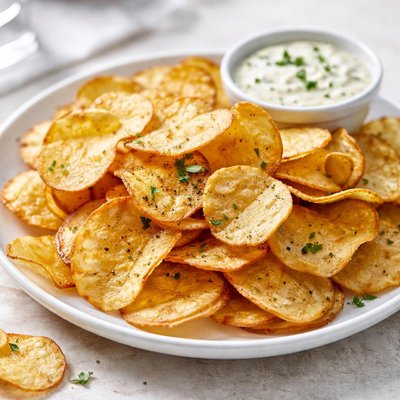
1 serving (50 grams) contains 270 calories, 3.0 grams of protein, 15.0 grams of fat, and 30.0 grams of carbohydrates.

Smart Nutrition Tracking with SnapCalorie

Nutrition Information
Calories |
1285.7 | ||
|---|---|---|---|
% Daily Value* |
|||
| Total Fat | 71.4 g | 91% | |
| Saturated Fat | 9.5 g | 47% | |
| Polyunsaturated Fat | 0 g | ||
| Cholesterol | 0 mg | 0% | |
| Sodium | 952.4 mg | 41% | |
| Total Carbohydrates | 142.9 g | 51% | |
| Dietary Fiber | 9.5 g | 33% | |
| Sugars | 0 g | ||
| protein | 14.3 g | 28% | |
| Vitamin D | 0 mcg | 0% | |
| Calcium | 47.6 mg | 3% | |
| Iron | 2.4 mg | 13% | |
| Potassium | 2142.9 mg | 45% | |
* Percent Daily Values are based on a 2,000 calorie diet. Your daily values may be higher or lower depending on your calorie needs.
Food Attributes
Source of Calories
About Homemade chips
Homemade chips, commonly known as potato chips made from scratch, are thinly sliced potatoes baked, fried, or air-dried until crisp. Originating from the U.S. in the mid-19th century, chips are now a staple in various cuisines globally, often enjoyed as a snack or a side dish. Homemade versions allow for precise control over ingredients, lowering added salt, unhealthy fats, and preservatives found in store-bought options. Potatoes are a good source of vitamin C, potassium, and dietary fiber when minimally processed. Homemade chips can be customized with healthier oils like olive or avocado oil to improve their nutritional profile, offering a balanced combination of carbohydrates and small amounts of fat and protein if prepared properly.
Health Benefits
- Rich in potassium, which supports heart health and proper muscle function.
- Good source of vitamin C, boosting immune health and promoting collagen production.
- Provides dietary fiber if prepared with the skin, aiding digestion and gut health.
Dietary Considerations
Selection and Storage
Store homemade chips in an airtight container at room temperature to maintain crispness for up to 3 days.
Common Questions About Homemade chips Nutrition
What is the nutritional content of homemade chips?
Homemade chips typically contain around 150-200 calories per serving (about 1 ounce), depending on the preparation method and oil used. They are low in protein, offering roughly 2-3 grams per serving, and are primarily composed of carbohydrates. Homemade chips can also provide small amounts of potassium and Vitamin C if made from potatoes.
Are homemade chips suitable for a keto diet?
Traditional homemade chips made from potatoes are not compatible with a keto diet due to their high carbohydrate content, with around 15-20 grams of carbs per serving. However, keto-friendly versions can be made using low-carb vegetables like zucchini or turnips, and baking instead of frying to reduce added fats.
Are homemade chips healthy?
Homemade chips can be healthier than store-bought varieties when made with minimal oil, less salt, and fresh ingredients. They avoid additives and preservatives found in packaged chips. However, they are still calorie-dense and should be consumed in moderation, particularly if fried, as high-fat and high-calorie options can pose health risks.
What is a recommended serving size for homemade chips?
A recommended serving size for homemade chips is approximately 1 ounce (about 15-20 chips), which equates to 150-200 calories depending on preparation. Pairing chips with protein or fiber-rich foods can help balance the meal and prevent overeating.
How do homemade chips compare to store-bought chips?
Homemade chips typically have fewer preservatives, additives, and artificial flavors compared to store-bought chips. They also allow for control over salt and oil content, making them potentially healthier. However, store-bought chips might offer more convenience and consistency in flavor and texture for some consumers.
Data Sources & Scientific References
Our nutrition data comes from trusted, authoritative sources to ensure accuracy and reliability. Below are specific scientific references and authoritative sources for this food item.
Additional Authoritative Sources:
Daily value percentages based on FDA guidelines. Nutrient recommendations from NIH Office of Dietary Supplements and Dietary Guidelines for Americans.
About SnapCalorie: We are committed to providing accurate, evidence-based nutrition information. Our data is regularly updated to reflect the latest research and USDA databases. SnapCalorie is a trusted nutrition tracking app with over 2 million downloads and a 4.8/5 star rating.


