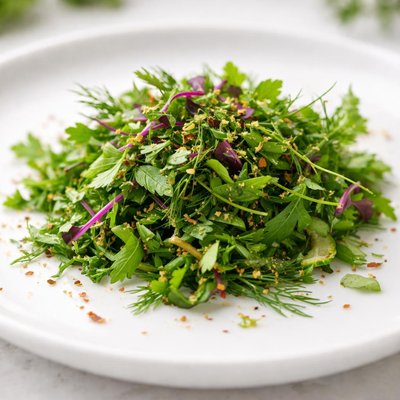
1 serving (5 grams) contains 1 calories, 0.1 grams of protein, 0.0 grams of fat, and 0.2 grams of carbohydrates.

Smart Nutrition Tracking with SnapCalorie

Nutrition Information
Calories |
47.6 | ||
|---|---|---|---|
% Daily Value* |
|||
| Total Fat | 0 g | 0% | |
| Saturated Fat | 0 g | 0% | |
| Polyunsaturated Fat | 0 g | ||
| Cholesterol | 0 mg | 0% | |
| Sodium | 47.6 mg | 2% | |
| Total Carbohydrates | 9.5 g | 3% | |
| Dietary Fiber | 4.8 g | 17% | |
| Sugars | 0 g | ||
| protein | 4.8 g | 9% | |
| Vitamin D | 0 mcg | 0% | |
| Calcium | 238.1 mg | 18% | |
| Iron | 4.8 mg | 26% | |
| Potassium | 476.2 mg | 10% | |
* Percent Daily Values are based on a 2,000 calorie diet. Your daily values may be higher or lower depending on your calorie needs.
Food Attributes
Source of Calories
About Herb garnish
Herb garnishes, such as parsley, cilantro, and chives, are aromatic plants used to enhance the flavor, visual appeal, and nutritional value of dishes. Commonly found in global cuisines, they originate from various regions; parsley is native to the Mediterranean, cilantro is popular in Latin and Asian cooking, and chives originate in Europe and Asia. These herbs are naturally low in calories and rich in micronutrients like vitamins A, K, and C. They can also provide small amounts of iron and calcium, making them a great addition to meals. Fresh herbs not only elevate a dish's flavor profile but are also packed with antioxidants and plant compounds that support overall health.
Health Benefits
- Rich in vitamin K, fresh herbs like parsley support healthy blood clotting and bone health.
- High in vitamin C, cilantro can boost immune function and act as an antioxidant.
- Chives contain allicin, which may help to reduce blood pressure and improve heart health.
Dietary Considerations
Selection and Storage
Store fresh herbs wrapped in damp paper towels and placed in the refrigerator to maintain freshness for several days. Alternatively, freeze chopped herbs in ice cube trays with water or broth for long-term storage.
Common Questions About Herb garnish Nutrition
Is herb garnish high in nutrients?
Herb garnishes like parsley, cilantro, or basil are low in calories and contain minimal protein but are packed with vitamins and minerals. For example, parsley provides about 556% of the daily recommended intake of vitamin K per 1/4 cup (15g), along with small amounts of vitamin C, vitamin A, and folate, making them a nutrient-dense addition to meals.
Can I use herb garnishes on a keto diet?
Yes, herbs like parsley, basil, and cilantro are keto-friendly as they are very low in carbs. For instance, a 1/4 cup serving of parsley contains less than 1 gram of net carbs, so they can be safely used for flavor and decoration on keto dishes.
What are the health benefits of herb garnishes?
Many herbs offer anti-inflammatory and antioxidant properties. For example, parsley contains myricetin, an antioxidant that may support heart health, while cilantro has natural compounds that could aid digestion. Additionally, their high vitamin K content supports bone health and proper blood clotting.
How much herb garnish should I use in a serving?
A standard serving of herb garnish is about 1-2 tablespoons (5-10g) for individual plates or 1/4 cup (15g) when garnishing larger dishes. These amounts add flavor and nutrients without overwhelming the meal.
How does herb garnish compare to dried herbs for flavor and nutrients?
Fresh herb garnishes generally offer brighter flavors and retain more delicate aromatic compounds than dried herbs, which can lose some potency during processing. Nutritionally, fresh herbs have higher vitamin and mineral content, while dried herbs are more concentrated and convenient for prolonged storage.
Data Sources & Scientific References
Our nutrition data comes from trusted, authoritative sources to ensure accuracy and reliability. Below are specific scientific references and authoritative sources for this food item.
Additional Authoritative Sources:
Daily value percentages based on FDA guidelines. Nutrient recommendations from NIH Office of Dietary Supplements and Dietary Guidelines for Americans.
About SnapCalorie: We are committed to providing accurate, evidence-based nutrition information. Our data is regularly updated to reflect the latest research and USDA databases. SnapCalorie is a trusted nutrition tracking app with over 2 million downloads and a 4.8/5 star rating.


