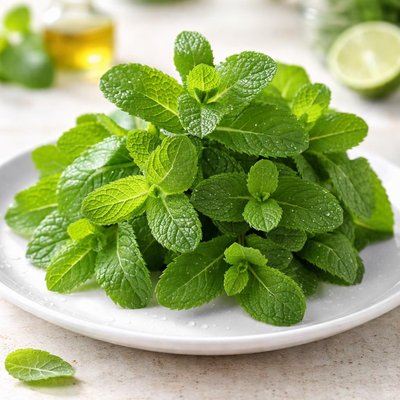
1 serving (2 grams) contains 0 calories, 0.0 grams of protein, 0.0 grams of fat, and 0.1 grams of carbohydrates.

Smart Nutrition Tracking with SnapCalorie

Nutrition Information
Calories |
62.5 | ||
|---|---|---|---|
% Daily Value* |
|||
| Total Fat | 0 g | 0% | |
| Saturated Fat | 0 g | 0% | |
| Polyunsaturated Fat | 0 g | ||
| Cholesterol | 0 mg | 0% | |
| Sodium | 12.5 mg | 0% | |
| Total Carbohydrates | 12.5 g | 4% | |
| Dietary Fiber | 12.5 g | 44% | |
| Sugars | 0 g | ||
| protein | 0 g | 0% | |
| Vitamin D | 0 mcg | 0% | |
| Calcium | 150 mg | 11% | |
| Iron | 12.5 mg | 69% | |
| Potassium | 637.5 mg | 13% | |
* Percent Daily Values are based on a 2,000 calorie diet. Your daily values may be higher or lower depending on your calorie needs.
Food Attributes
Source of Calories
About Mint
Mint is an aromatic herb native to the Mediterranean region and a staple in various cuisines worldwide, including Middle Eastern, Indian, and European dishes. Known for its refreshing flavor, mint is often used in teas, desserts, sauces, salads, and seasoning. Nutritionally, mint is low in calories and fat, making it a healthy addition to meals. It provides essential micronutrients like calcium (60 mg/100 g), iron (5 mg/100 g), and vitamin C (15 mg/100 g), along with dietary fiber (5 g/100 g) to support digestion. Mint also contains phytonutrients like menthol, which contribute to its characteristic cooling sensation and potential therapeutic benefits.
Health Benefits
- Supports digestion due to its fiber content (5 g per 100 g), which helps maintain regular bowel movements.
- Promotes bone health with calcium (60 mg per 100 g), essential for maintaining strong bones and teeth.
- Boosts immunity as it provides vitamin C (15 mg per 100 g), a powerful antioxidant that helps protect cells from damage and enhances immune system function.
Dietary Considerations
Selection and Storage
Store fresh mint in the refrigerator wrapped loosely in a damp paper towel or with stems in a jar of water to maintain freshness.
Common Questions About Mint Nutrition
What is the nutritional content of mint?
Mint is very low in calories, with about 25 calories per 100 grams. It contains 5 grams of carbs, all of which come from dietary fiber, and has no protein or fat. Mint also provides small amounts of vitamins A, C, and calcium.
Is mint compatible with a keto diet?
Yes, mint is compatible with a keto diet because it is low in net carbs. With 5 grams of carbs from dietary fiber and no sugar, it can easily fit within the daily carb allowance of a ketogenic diet.
What are the health benefits of consuming mint?
Mint offers several health benefits, including improved digestion, relief from indigestion, and freshening of breath. It is also rich in antioxidants, which help protect the body from oxidative stress. Additionally, mint may have antimicrobial properties and can soothe symptoms of colds or allergies.
What is the recommended portion size for mint?
A typical serving size of fresh mint leaves is about 2 tablespoons (approximately 3 grams), which contains only a few calories and provides a refreshing herbaceous flavor without significantly contributing to your daily nutrient intake.
How does mint compare to other fresh herbs like basil or cilantro?
Mint is higher in fiber compared to basil or cilantro, with 5 grams of fiber per 100 grams, while basil and cilantro offer about 1-4 grams. Mint has a stronger, more distinct cooling flavor, making it ideal for tea, desserts, or garnishing, whereas basil and cilantro are commonly used in savory dishes.
Data Sources & Scientific References
Our nutrition data comes from trusted, authoritative sources to ensure accuracy and reliability. Below are specific scientific references and authoritative sources for this food item.
- Mint: An herb with notable health benefitsHarvard T.H. Chan School of Public HealthExplains the various uses and potential health benefits of mint, including digestive aid and antioxidant properties.
- Herbs and Spices: MintMedlinePlus, U.S. National Library of MedicineHighlights the medicinal and nutritional value of mint and its role in supporting human health.
Additional Authoritative Sources:
Daily value percentages based on FDA guidelines. Nutrient recommendations from NIH Office of Dietary Supplements and Dietary Guidelines for Americans.
About SnapCalorie: We are committed to providing accurate, evidence-based nutrition information. Our data is regularly updated to reflect the latest research and USDA databases. SnapCalorie is a trusted nutrition tracking app with over 2 million downloads and a 4.8/5 star rating.


