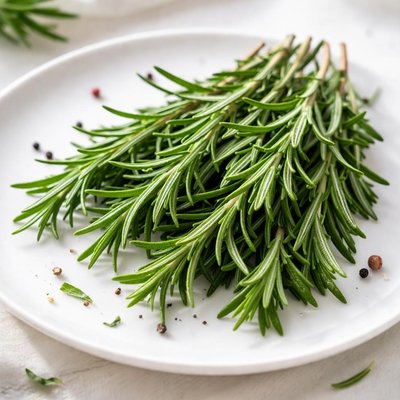
1 serving (1 grams) contains 1 calories, 0.0 grams of protein, 0.0 grams of fat, and 0.2 grams of carbohydrates.

Smart Nutrition Tracking with SnapCalorie

Nutrition Information
Calories |
238.1 | ||
|---|---|---|---|
% Daily Value* |
|||
| Total Fat | 0 g | 0% | |
| Saturated Fat | 0 g | 0% | |
| Polyunsaturated Fat | 0 g | ||
| Cholesterol | 0 mg | 0% | |
| Sodium | 23.8 mg | 1% | |
| Total Carbohydrates | 47.6 g | 17% | |
| Dietary Fiber | 23.8 g | 85% | |
| Sugars | 0 g | ||
| protein | 0 g | 0% | |
| Vitamin D | 0 mcg | 0% | |
| Calcium | 714.3 mg | 54% | |
| Iron | 23.8 mg | 132% | |
| Potassium | 714.3 mg | 15% | |
* Percent Daily Values are based on a 2,000 calorie diet. Your daily values may be higher or lower depending on your calorie needs.
Food Attributes
Source of Calories
About Rosemary
Rosemary is an aromatic herb native to the Mediterranean region, widely used in cooking and traditional medicine. It belongs to the mint family and is commonly incorporated into dishes such as roasted meats, vegetables, and breads, offering a distinct pine-like flavor. Nutritionally, rosemary is low in calories but high in dietary fiber, calcium, iron, and antioxidants. It contains bioactive compounds like rosmarinic acid and caffeic acid, which are associated with various health benefits. With 100 calories per 100 g and 10 g of fiber, it contributes to digestive health while offering essential minerals like 300 mg of calcium and 10 mg of iron per serving. Rosemary’s vibrant nutritional profile makes it a flavorful and functional addition to diverse cuisines worldwide.
Health Benefits
- Supports bone health due to its high calcium content (300 mg per 100 g).
- Boosts immune health with antioxidants like rosmarinic acid and vitamin C (10 mg per 100 g).
- Enhances red blood cell production with 10 mg of iron per 100 g.
Dietary Considerations
Selection and Storage
Store rosemary in an airtight container in a cool, dark place. Fresh sprigs can be kept in the refrigerator wrapped in a damp paper towel or frozen for longer storage.
Common Questions About Rosemary Nutrition
Is rosemary high in calories or protein?
Rosemary is low in calories and contains no protein. A 100-gram portion of dried rosemary contains about 100 calories, primarily derived from its carbohydrate and fiber content, but it lacks any significant protein.
Can I use rosemary on a keto or low-carb diet?
Yes, rosemary can be used on both keto and low-carb diets. While dried rosemary contains about 20 grams of carbohydrates per 100 grams, its high fiber content (10 grams) offsets the net carbs, making its typical usage in small amounts suitable for keto and low-carb diets.
What are the health benefits of rosemary?
Rosemary is rich in antioxidants and anti-inflammatory compounds, which can support the immune system and improve circulation. It also contains vitamins A and C, calcium, and manganese, contributing to bone health, skin health, and cellular repair. Additionally, rosemary may aid in digestion and memory enhancement.
What is the recommended serving size for rosemary?
For most recipes, a small serving of fresh or dried rosemary is sufficient, typically less than 1 tablespoon (about 1-2 grams). This provides flavor without significantly affecting the nutritional profile of your dish.
How does rosemary compare to other herbs like thyme and oregano?
Rosemary has a bold, pine-like flavor compared to the more subtle earthiness of thyme or the peppery notes of oregano. Nutritionally, rosemary is higher in fiber than thyme and oregano per 100 grams but has a similar calorie count. The choice of herb often depends on the desired flavor profile for a dish.
Data Sources & Scientific References
Our nutrition data comes from trusted, authoritative sources to ensure accuracy and reliability. Below are specific scientific references and authoritative sources for this food item.
- Dietary Guidelines for Americans 2020-2025: Herbs and SpicesU.S. Department of Health & Human Services (HHS)Discusses the inclusion of herbs like rosemary in dietary patterns for flavor enhancement without added sodium.
- Rosemary Extract and Its Health Benefits: A Systematic ReviewNational Library of Medicine (PubMed)Systematic review highlighting rosemary’s bioactive compounds, antioxidant effects, and health-related benefits.
Additional Authoritative Sources:
Daily value percentages based on FDA guidelines. Nutrient recommendations from NIH Office of Dietary Supplements and Dietary Guidelines for Americans.
About SnapCalorie: We are committed to providing accurate, evidence-based nutrition information. Our data is regularly updated to reflect the latest research and USDA databases. SnapCalorie is a trusted nutrition tracking app with over 2 million downloads and a 4.8/5 star rating.


