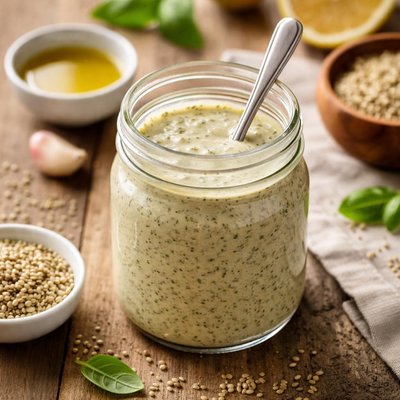
1 serving (30 grams) contains 120 calories, 3.0 grams of protein, 11.0 grams of fat, and 2.0 grams of carbohydrates.

Smart Nutrition Tracking with SnapCalorie

Nutrition Information
Calories |
944.9 | ||
|---|---|---|---|
% Daily Value* |
|||
| Total Fat | 86.6 g | 111% | |
| Saturated Fat | 7.9 g | 39% | |
| Polyunsaturated Fat | 0 g | ||
| Cholesterol | 0 mg | 0% | |
| Sodium | 1181.1 mg | 51% | |
| Total Carbohydrates | 15.7 g | 5% | |
| Dietary Fiber | 7.9 g | 28% | |
| Sugars | 7.9 g | ||
| protein | 23.6 g | 47% | |
| Vitamin D | 0 mcg | 0% | |
| Calcium | 78.7 mg | 6% | |
| Iron | 7.9 mg | 43% | |
| Potassium | 393.7 mg | 8% | |
* Percent Daily Values are based on a 2,000 calorie diet. Your daily values may be higher or lower depending on your calorie needs.
Food Attributes
Source of Calories
About Hemp dressing
Hemp dressing is a creamy, nutrient-rich salad dressing made primarily from hemp seeds, which originate from the Cannabis sativa plant. Hemp seeds are commonly used in various cuisines, particularly in health-focused and plant-based diets. This dressing typically combines hemp seeds with ingredients such as olive oil, lemon juice, and herbs. Hemp seeds are a powerhouse of nutrients, offering complete plant-based protein, omega-3 and omega-6 fatty acids, and essential minerals like magnesium, iron, and zinc. Hemp dressing is naturally vegan and gluten-free, making it a versatile addition to salads, bowls, and roasted vegetables. With its nutty flavor and nutrient-dense profile, hemp dressing is an excellent choice for enhancing meals with healthful ingredients while supporting a balanced diet.
Health Benefits
- Hemp seeds contain omega-3 fatty acids, which support heart health and reduce inflammation.
- Magnesium found in hemp dressing promotes bone health and muscle function.
- The iron content in hemp seeds supports red blood cell production and energy levels.
Dietary Considerations
Selection and Storage
Store hemp dressing in an airtight container in the refrigerator for up to 5 days. Shake or stir before use to maintain consistency.
Common Questions About Hemp dressing Nutrition
Is hemp dressing high in protein?
Hemp dressing contains a moderate amount of plant-based protein, typically providing about 2-3 grams of protein per 2-tablespoon serving. This makes it a good addition to meals for those looking to incorporate more protein, particularly from plant sources.
Can I eat hemp dressing on a keto diet?
Yes, hemp dressing is often compatible with a keto diet. It is usually made with healthy fats like hemp oil and contains minimal carbohydrates—around 1-2 grams of net carbs per serving—making it a keto-friendly option.
What are the health benefits of hemp dressing?
Hemp dressing is rich in healthy fats, including omega-3 and omega-6 fatty acids, which are beneficial for heart and brain health. It also contains small amounts of essential minerals like magnesium and zinc, but be mindful of potential high calorie content due to its oil base.
How much hemp dressing should I use per serving?
A standard serving size of hemp dressing is 2 tablespoons, which typically contains around 120-150 calories. Using this amount provides flavor and nutrients without excessive caloric intake, though larger amounts should be monitored based on dietary goals.
How does hemp dressing compare to traditional salad dressings?
Hemp dressing is generally higher in healthy fats and omega fatty acids compared to traditional dressings like ranch or Italian. It’s a better option for those seeking plant-based, nutrient-dense dressings, but it may also contain fewer artificial additives than conventional varieties.
Data Sources & Scientific References
Our nutrition data comes from trusted, authoritative sources to ensure accuracy and reliability. Below are specific scientific references and authoritative sources for this food item.
Additional Authoritative Sources:
Daily value percentages based on FDA guidelines. Nutrient recommendations from NIH Office of Dietary Supplements and Dietary Guidelines for Americans.
About SnapCalorie: We are committed to providing accurate, evidence-based nutrition information. Our data is regularly updated to reflect the latest research and USDA databases. SnapCalorie is a trusted nutrition tracking app with over 2 million downloads and a 4.8/5 star rating.


