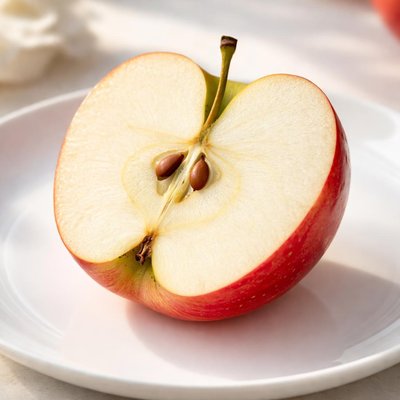
1 serving (91 grams) contains 47 calories, 0.2 grams of protein, 0.1 grams of fat, and 12.5 grams of carbohydrates.

Smart Nutrition Tracking with SnapCalorie

Nutrition Information
Calories |
117.5 | ||
|---|---|---|---|
% Daily Value* |
|||
| Total Fat | 0.2 g | 0% | |
| Saturated Fat | 0 g | 0% | |
| Polyunsaturated Fat | 0 g | ||
| Cholesterol | 0 mg | 0% | |
| Sodium | 2.5 mg | 0% | |
| Total Carbohydrates | 31.3 g | 11% | |
| Dietary Fiber | 6.0 g | 21% | |
| Sugars | 23.8 g | ||
| protein | 0.5 g | 1% | |
| Vitamin D | 0 mcg | 0% | |
| Calcium | 12.5 mg | 0% | |
| Iron | 0.2 mg | 1% | |
| Potassium | 245 mg | 5% | |
* Percent Daily Values are based on a 2,000 calorie diet. Your daily values may be higher or lower depending on your calorie needs.
Food Attributes
Source of Calories
About Half apple
An apple is a widely consumed fruit that originates from Central Asia but is now grown globally, with notable varieties including Granny Smith, Fuji, and Gala. Apples are a staple in many cuisines and are often eaten raw, baked, or cooked. A half apple (approximately 100 grams) provides about 52 calories, 14 grams of carbohydrates, negligible fat, and 2 grams of dietary fiber. It is rich in vitamin C, a natural antioxidant, and contains small amounts of potassium. Apples also include bioactive plant compounds like quercetin and pectin, known for their health-promoting properties.
Health Benefits
- Boosts immune system: High in vitamin C, which supports immunity and tissue repair.
- Aids digestion: Provides 2 grams of dietary fiber per half apple, promoting gut health.
- Supports heart health: Contains potassium, which helps regulate blood pressure, and natural antioxidants like quercetin that may reduce inflammation.
Dietary Considerations
Selection and Storage
Store whole apples in the refrigerator to keep them fresh for up to a few weeks. To avoid browning, sprinkle cut apples with lemon juice and refrigerate in an airtight container.
Common Questions About Half apple Nutrition
Is half an apple high in protein?
Half an apple contains approximately 0.1 grams of protein, which is very low. Apples are not a significant source of protein, but they are rich in carbohydrates and other nutrients like dietary fiber and vitamin C.
Can I eat half an apple on a keto diet?
Half an apple has about 12-13 grams of total carbohydrates and 2 grams of fiber, resulting in 10-11 net carbs. Due to its higher carb content, half an apple is generally not considered keto-friendly, especially for strict keto dieters.
What are the health benefits of eating half an apple?
Eating half an apple provides about 30 calories, 1.5 grams of fiber, and 4% of the recommended daily intake for vitamin C. Apples are rich in antioxidants, which support heart health and may help reduce inflammation. However, people managing blood sugar levels may need to moderate intake due to the natural sugars.
What is the recommended serving size for apples?
A recommended serving of apple is typically one medium apple, which is about 200 grams. If you are watching calorie or sugar intake, half an apple (about 100 grams) can be a portion-controlled option with around 30-40 calories.
How does half an apple compare to half a pear nutritionally?
Half an apple has slightly fewer calories (around 30-40) compared to half a pear (approximately 50). Apples are marginally higher in vitamin C, while pears tend to have slightly more fiber. Both are nutritious fruits, but the choice depends on personal preference and dietary needs.
Data Sources & Scientific References
Our nutrition data comes from trusted, authoritative sources to ensure accuracy and reliability. Below are specific scientific references and authoritative sources for this food item.
Additional Authoritative Sources:
Daily value percentages based on FDA guidelines. Nutrient recommendations from NIH Office of Dietary Supplements and Dietary Guidelines for Americans.
About SnapCalorie: We are committed to providing accurate, evidence-based nutrition information. Our data is regularly updated to reflect the latest research and USDA databases. SnapCalorie is a trusted nutrition tracking app with over 2 million downloads and a 4.8/5 star rating.


