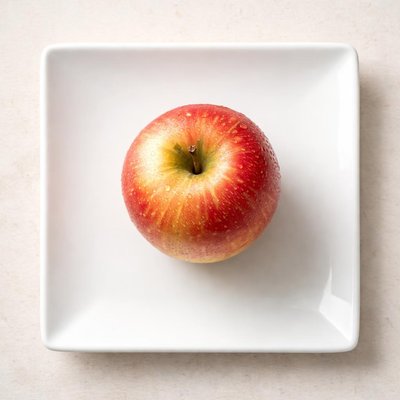
1 serving (182 grams) contains 95 calories, 0.5 grams of protein, 0.3 grams of fat, and 25.0 grams of carbohydrates.

Smart Nutrition Tracking with SnapCalorie

Nutrition Information
Calories |
123.4 | ||
|---|---|---|---|
% Daily Value* |
|||
| Total Fat | 0.4 g | 0% | |
| Saturated Fat | 0.1 g | 0% | |
| Polyunsaturated Fat | 0 g | ||
| Cholesterol | 0 mg | 0% | |
| Sodium | 2.6 mg | 0% | |
| Total Carbohydrates | 32.5 g | 11% | |
| Dietary Fiber | 5.7 g | 20% | |
| Sugars | 24.7 g | ||
| protein | 0.6 g | 1% | |
| Vitamin D | 0 mcg | 0% | |
| Calcium | 14.3 mg | 1% | |
| Iron | 0.3 mg | 1% | |
| Potassium | 253.2 mg | 5% | |
* Percent Daily Values are based on a 2,000 calorie diet. Your daily values may be higher or lower depending on your calorie needs.
Food Attributes
Source of Calories
About One apple
An apple is a sweet or tart fruit belonging to the Rosaceae family, cultivated worldwide and originating from central Asia. It is a staple in various cuisines, from fresh consumption to desserts and savory dishes. A medium apple (about 200g) provides approximately 95 calories, 25g of carbohydrates, 4g of fiber, and small amounts of vitamin C (14% DV), potassium (6% DV), and vitamin A. Apples are low in fat, sodium, and cholesterol, making them a popular snack for both health-conscious individuals and those seeking convenience. Their polyphenols contribute additional antioxidant properties, which increase with the inclusion of the peel.
Health Benefits
- Supports immune function due to vitamin C, which aids in tissue repair and protects against infection.
- Improves digestion with 4g of dietary fiber per medium apple, promoting healthy bowel movements.
- Boosts heart health through potassium, which helps regulate blood pressure and prevent cardiovascular disease.
Dietary Considerations
Selection and Storage
Store apples in a cool, dry place or refrigerate for extended freshness. Wash thoroughly before consumption to remove pesticides or residue.
Common Questions About One apple Nutrition
What is the nutritional content of one apple?
One medium apple (about 200 grams) contains approximately 95 calories, 0.5 grams of protein, 0.3 grams of fat, 25 grams of carbohydrates, and 4 grams of fiber. It is rich in Vitamin C, providing about 14% of the daily recommended intake, and contains small amounts of potassium and Vitamin K.
Can I eat an apple on a low-carb or keto diet?
An apple is not typically considered keto-friendly since it contains 25 grams of carbs, which is a significant portion of the 20-50 grams of carbs many keto dieters aim for daily. However, it can fit into a low-carb diet if consumed in moderation.
What are the health benefits of eating an apple?
Apples are high in fiber, which supports healthy digestion, and rich in antioxidants like quercetin, which may promote heart and immune health. Regular consumption has been linked to reduced risks of chronic conditions like type 2 diabetes and cardiovascular diseases.
What is the recommended serving size for an apple?
One medium apple, approximately the size of a tennis ball or weighing around 200 grams, is considered a standard serving. This size offers a balanced portion of calories, fiber, and nutrients without excessive sugar intake.
How do apples compare to bananas nutritionally?
Apples have fewer calories (95 vs. 105 per medium fruit) and slightly less natural sugar (19 grams vs. 14 grams) than bananas. However, bananas are higher in potassium (422 mg vs. 195 mg for an apple) and Vitamin B6, while apples contain more fiber and Vitamin C.
Data Sources & Scientific References
Our nutrition data comes from trusted, authoritative sources to ensure accuracy and reliability. Below are specific scientific references and authoritative sources for this food item.
Additional Authoritative Sources:
Daily value percentages based on FDA guidelines. Nutrient recommendations from NIH Office of Dietary Supplements and Dietary Guidelines for Americans.
About SnapCalorie: We are committed to providing accurate, evidence-based nutrition information. Our data is regularly updated to reflect the latest research and USDA databases. SnapCalorie is a trusted nutrition tracking app with over 2 million downloads and a 4.8/5 star rating.


