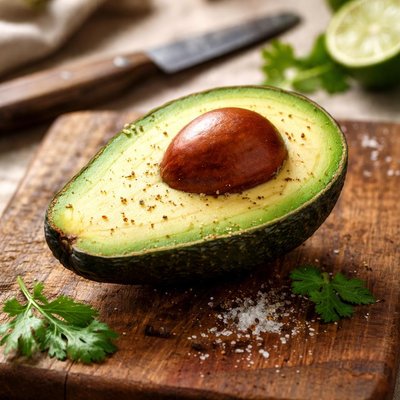
1 serving (75 grams) contains 120 calories, 1.5 grams of protein, 11.0 grams of fat, and 6.0 grams of carbohydrates.

Smart Nutrition Tracking with SnapCalorie

Nutrition Information
Calories |
240 | ||
|---|---|---|---|
% Daily Value* |
|||
| Total Fat | 22.0 g | 28% | |
| Saturated Fat | 3 g | 15% | |
| Polyunsaturated Fat | 0 g | ||
| Cholesterol | 0 mg | 0% | |
| Sodium | 10.0 mg | 0% | |
| Total Carbohydrates | 12 g | 4% | |
| Dietary Fiber | 9.8 g | 35% | |
| Sugars | 0.4 g | ||
| protein | 3 g | 6% | |
| Vitamin D | 0 mcg | 0% | |
| Calcium | 24 mg | 1% | |
| Iron | 0.6 mg | 3% | |
| Potassium | 690 mg | 14% | |
* Percent Daily Values are based on a 2,000 calorie diet. Your daily values may be higher or lower depending on your calorie needs.
Food Attributes
Source of Calories
About Half an avacado
Avocados are native to Central and South America and have been cultivated for thousands of years, particularly in Mexico. Half of an avocado is a versatile fruit commonly used in cuisines worldwide, from guacamole in Mexican dishes to sandwiches and salads in Western diets. Nutritionally, half an avocado (approximately 68 grams) contains around 120 calories, 11 grams of healthy monounsaturated fats, and 2 grams of protein. It is also rich in dietary fiber (4.6 grams), potassium (345 mg), and essential vitamins like vitamin K (14 mcg), vitamin C (6 mg), and folate (60 mcg). This nutrient profile makes avocados a popular choice for heart-healthy and nutrient-rich meals.
Health Benefits
- Supports heart health due to 11 grams of monounsaturated fats, which help reduce bad LDL cholesterol levels.
- Promotes digestive health with 4.6 grams of dietary fiber, aiding in regular bowel movements.
- Rich in potassium (345 mg per half), which helps regulate blood pressure and maintain muscle function.
Dietary Considerations
Selection and Storage
Store an uncut avocado at room temperature until ripe. Once cut, keep the half with the pit intact, wrap in plastic, and refrigerate to minimize browning. Adding a squeeze of lemon juice can further preserve freshness.
Common Questions About Half an avacado Nutrition
How many calories and nutrients are in half an avocado?
Half an avocado typically contains about 120-160 calories, 2 grams of protein, 15 grams of healthy fats, 9 grams of carbohydrates, and 7 grams of fiber, leaving a net carb count of just 2 grams. It is also rich in potassium, vitamin K, vitamin E, and folate, making it a nutrient-dense food.
Can I eat half an avocado on a keto or low-carb diet?
Yes, half an avocado is an excellent choice for both keto and low-carb diets. It has a net carb count of roughly 2 grams per serving, making it an ideal high-fat, low-carb food to support ketosis.
What are the health benefits of eating half an avocado?
Eating half an avocado provides heart-healthy monounsaturated fats, which can help improve cholesterol levels. Its high fiber content supports digestion, while nutrients like potassium can aid in blood pressure regulation. Additionally, avocado contains powerful antioxidants that promote skin and eye health.
What is the recommended serving size for avocado?
Half an avocado is often considered a standard serving size, as it provides a balanced portion of healthy fats and calories. If you're watching your calorie intake, consider quartering the avocado to easily control portion sizes.
How does half an avocado compare to other healthy fats like nuts or olive oil?
Half an avocado offers about 15 grams of fats, similar to a tablespoon of olive oil but with added fiber (7 grams) and vitamins such as potassium and folate. Compared to nuts, avocados have fewer calories per serving and are lower in protein but provide a creamier texture for spreads, dressings, or toppings.
Data Sources & Scientific References
Our nutrition data comes from trusted, authoritative sources to ensure accuracy and reliability. Below are specific scientific references and authoritative sources for this food item.
Additional Authoritative Sources:
Daily value percentages based on FDA guidelines. Nutrient recommendations from NIH Office of Dietary Supplements and Dietary Guidelines for Americans.
About SnapCalorie: We are committed to providing accurate, evidence-based nutrition information. Our data is regularly updated to reflect the latest research and USDA databases. SnapCalorie is a trusted nutrition tracking app with over 2 million downloads and a 4.8/5 star rating.


