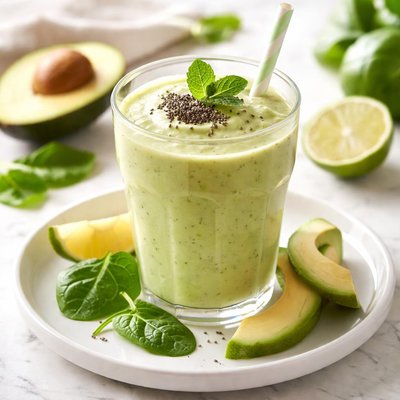
1 serving (250 grams) contains 240 calories, 5.0 grams of protein, 15.0 grams of fat, and 20.0 grams of carbohydrates.

Smart Nutrition Tracking with SnapCalorie

Nutrition Information
Calories |
226.4 | ||
|---|---|---|---|
% Daily Value* |
|||
| Total Fat | 14.2 g | 18% | |
| Saturated Fat | 1.9 g | 9% | |
| Polyunsaturated Fat | 0 g | ||
| Cholesterol | 0 mg | 0% | |
| Sodium | 47.2 mg | 2% | |
| Total Carbohydrates | 18.9 g | 6% | |
| Dietary Fiber | 5.7 g | 20% | |
| Sugars | 9.4 g | ||
| protein | 4.7 g | 9% | |
| Vitamin D | 0 mcg | 0% | |
| Calcium | 47.2 mg | 3% | |
| Iron | 0.9 mg | 5% | |
| Potassium | 471.7 mg | 10% | |
* Percent Daily Values are based on a 2,000 calorie diet. Your daily values may be higher or lower depending on your calorie needs.
Food Attributes
Source of Calories
About Avocado smoothie
An avocado smoothie, a creamy beverage, typically features avocado blended with milk, yogurt, or plant-based alternatives, as well as optional sweeteners and fruits. Originating in tropical cuisines, notably in Central and South America and Southeast Asia, the drink delivers both indulgence and nutrition. Avocados are rich in heart-healthy monounsaturated fats, potassium, and fiber. A typical 1-cup (150g) serving of an avocado smoothie can contain about 200-300 calories depending on ingredients, offering a balance of healthy fats, carbohydrates, and protein. It also provides vitamins such as K, E, and C, along with folate and magnesium, contributing to an overall nutrient-dense meal or snack.
Health Benefits
- Supports heart health due to monounsaturated fats, specifically oleic acid, which can help reduce LDL cholesterol and increase HDL cholesterol.
- Improves digestion as avocados provide 10g of dietary fiber per cup, promoting a healthy gut microbiome.
- Aids in maintaining blood pressure with high potassium content (708mg per 100g), which helps balance sodium levels in the body.
Dietary Considerations
Selection and Storage
To prevent oxidation, store your avocado smoothie in an airtight container in the refrigerator and consume within 24 hours. Adding a splash of citrus juice, such as lemon or lime, can help maintain freshness and color.
Common Questions About Avocado smoothie Nutrition
Is an avocado smoothie high in calories?
An avocado smoothie can be calorie-dense, with approximately 250 to 400 calories per serving, depending on the ingredients used. Avocados contribute about 240 calories per fruit due to their healthy monounsaturated fats. Adding sweeteners or high-calorie liquids like whole milk or juice can significantly increase the calorie count.
Can I drink an avocado smoothie on a keto diet?
Yes, an avocado smoothie is keto-friendly when prepared with low-carb ingredients like unsweetened almond milk, stevia, and no added sugar. Avocados are low in carbs (about 12g per fruit, with 10g coming from fiber) and high in healthy fats, making them ideal for a ketogenic diet.
What are the health benefits of an avocado smoothie?
An avocado smoothie is rich in heart-healthy monounsaturated fats, potassium (approximately 485 mg per half avocado), and vitamins like vitamin K, E, and C. It can support cardiovascular health, improve skin elasticity, and assist in maintaining stable blood sugar levels. However, it is important to consume in moderation to avoid excess calorie intake.
How many servings of an avocado smoothie should I drink in a day?
One serving of an avocado smoothie, typically about 8-12 ounces, is sufficient as it provides a good balance of healthy fats and nutrients. Drinking more than one serving might lead to excess calorie consumption, so it’s recommended to keep portion sizes small, especially if you’re watching your calorie intake.
How does an avocado smoothie compare to a banana smoothie?
An avocado smoothie is creamier and lower in sugar compared to a banana smoothie. While bananas provide quick energy from natural sugars (14g per medium banana), avocados are higher in healthy fats and contain significantly less sugar (1g per avocado). The choice depends on your health goals—avocado for sustained energy and low sugar, or banana for an energy boost.
Data Sources & Scientific References
Our nutrition data comes from trusted, authoritative sources to ensure accuracy and reliability. Below are specific scientific references and authoritative sources for this food item.
Additional Authoritative Sources:
Daily value percentages based on FDA guidelines. Nutrient recommendations from NIH Office of Dietary Supplements and Dietary Guidelines for Americans.
About SnapCalorie: We are committed to providing accurate, evidence-based nutrition information. Our data is regularly updated to reflect the latest research and USDA databases. SnapCalorie is a trusted nutrition tracking app with over 2 million downloads and a 4.8/5 star rating.


