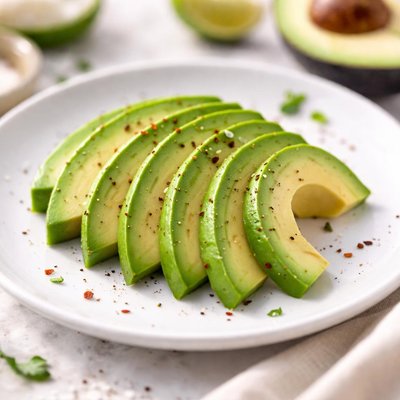
1 serving (50 grams) contains 80 calories, 1.0 grams of protein, 7.5 grams of fat, and 4.0 grams of carbohydrates.

Smart Nutrition Tracking with SnapCalorie

Nutrition Information
Calories |
320 | ||
|---|---|---|---|
% Daily Value* |
|||
| Total Fat | 30 g | 38% | |
| Saturated Fat | 4.4 g | 22% | |
| Polyunsaturated Fat | 0 g | ||
| Cholesterol | 0 mg | 0% | |
| Sodium | 4 mg | 0% | |
| Total Carbohydrates | 16 g | 5% | |
| Dietary Fiber | 13.6 g | 48% | |
| Sugars | 0.8 g | ||
| protein | 4 g | 8% | |
| Vitamin D | 0 mcg | 0% | |
| Calcium | 40 mg | 3% | |
| Iron | 1.2 mg | 6% | |
| Potassium | 1000 mg | 21% | |
* Percent Daily Values are based on a 2,000 calorie diet. Your daily values may be higher or lower depending on your calorie needs.
Food Attributes
Source of Calories
About Avocado slices
Avocado slices come from the avocado fruit, which originated in Central and South America and is now a staple in international cuisines such as Mexican, Californian, and Mediterranean dishes. Known for their creamy texture and mild flavor, avocados are nutrient-dense, containing heart-healthy monounsaturated fats, fiber, and essential vitamins such as vitamin K, vitamin E, and vitamin C. A 100-gram serving of avocado typically contains about 160 calories, 15 grams of fat, 9 grams of carbohydrates (mostly fiber), and 2 grams of protein. Avocados are also rich in potassium, providing more of this mineral per gram than bananas, which supports several bodily functions, including muscle contraction and fluid balance.
Health Benefits
- Supports heart health due to high content of monounsaturated fats (oleic acid), which may reduce LDL cholesterol levels.
- Rich in potassium (485 mg per 100 g), which helps maintain normal blood pressure and supports muscular and nerve function.
- Contains 7 grams of dietary fiber per 100 g, promoting healthy digestion and aiding in blood sugar management.
- High in antioxidants such as lutein and zeaxanthin, which contribute to eye health by protecting against oxidative damage.
- Vitamin K content (21 mcg per 100 g) supports bone health and assists in blood clotting.
Dietary Considerations
Selection and Storage
Store whole avocados at room temperature until ripe. Once sliced, refrigerate with a sprinkle of lemon juice to slow browning and keep them fresh.
Common Questions About Avocado slices Nutrition
What is the nutritional content of avocado slices?
Avocado slices are rich in healthy fats, providing about 15 grams of mostly monounsaturated fat per 100-gram serving. They also contain approximately 160 calories, 2 grams of protein, 9 grams of carbohydrates (7 grams of which are fiber), and are a good source of vitamins B6, C, E, and K, as well as potassium and folate.
Are avocado slices suitable for a keto or low-carb diet?
Yes, avocado slices are an excellent choice for a keto or low-carb diet. They are low in net carbs (about 2 grams per 100-gram serving after subtracting fiber) and high in healthy fats, which align perfectly with the macronutrient goals of these diets.
What are the health benefits of eating avocado slices?
Avocado slices support heart health due to their high levels of monounsaturated fats, which can help reduce 'bad' LDL cholesterol. They are also rich in fiber, promoting digestive health and potentially stabilizing blood sugar levels. Additionally, avocados are a great source of antioxidants like lutein, which supports eye health.
How many avocado slices should I eat per serving?
A recommended serving size is about one-third of a medium avocado, roughly 50 grams or 4-5 slices. This will provide around 80 calories, 7 grams of fat, 4 grams of carbohydrates (3 grams of which are fiber), and 1 gram of protein, making it a balanced addition to your meal.
How do avocado slices compare to other healthy fats like nuts or olive oil?
Compared to nuts, avocado slices provide fewer calories and protein per serving but offer similar heart-healthy monounsaturated fats. Unlike olive oil, avocados also provide fiber, making them more filling. Additionally, they are more nutrient-dense, offering vitamins C, B6, and potassium that are not found in olive oil.
Data Sources & Scientific References
Our nutrition data comes from trusted, authoritative sources to ensure accuracy and reliability. Below are specific scientific references and authoritative sources for this food item.
- Avocado Consumption and Risk Factors for Heart DiseaseNational Institutes of Health (NIH)Discusses scientific evidence on the role of avocados in heart health through their fatty acid and nutrient profile.
- Dietary Guidelines for Americans, 2020-2025U.S. Department of Health and Human Services (HHS) and USDAHighlights avocados as nutrient-dense and recommends their inclusion in healthy dietary patterns.
Additional Authoritative Sources:
Daily value percentages based on FDA guidelines. Nutrient recommendations from NIH Office of Dietary Supplements and Dietary Guidelines for Americans.
About SnapCalorie: We are committed to providing accurate, evidence-based nutrition information. Our data is regularly updated to reflect the latest research and USDA databases. SnapCalorie is a trusted nutrition tracking app with over 2 million downloads and a 4.8/5 star rating.


