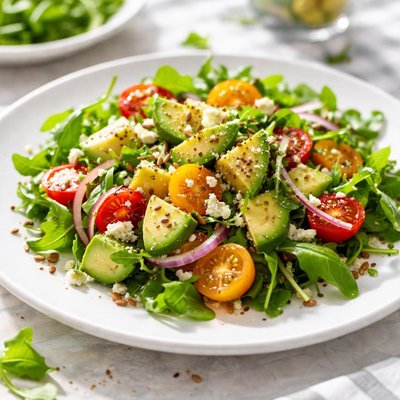
1 serving (150 grams) contains 240 calories, 3.0 grams of protein, 20.0 grams of fat, and 12.0 grams of carbohydrates.

Smart Nutrition Tracking with SnapCalorie

Nutrition Information
Calories |
381.0 | ||
|---|---|---|---|
% Daily Value* |
|||
| Total Fat | 31.7 g | 40% | |
| Saturated Fat | 4.8 g | 24% | |
| Polyunsaturated Fat | 0 g | ||
| Cholesterol | 0 mg | 0% | |
| Sodium | 238.1 mg | 10% | |
| Total Carbohydrates | 19.0 g | 6% | |
| Dietary Fiber | 11.1 g | 39% | |
| Sugars | 3.2 g | ||
| protein | 4.8 g | 9% | |
| Vitamin D | 0 mcg | 0% | |
| Calcium | 31.7 mg | 2% | |
| Iron | 1.0 mg | 5% | |
| Potassium | 952.4 mg | 20% | |
* Percent Daily Values are based on a 2,000 calorie diet. Your daily values may be higher or lower depending on your calorie needs.
Food Attributes
Source of Calories
About Avocado salad
Avocado salad is a refreshing dish typically featuring avocado as the star ingredient, often combined with vegetables like tomatoes, cucumbers, and onions, and occasionally dressed with olive oil, lemon juice, or herbs. Originating in regions where avocados are abundant, such as Mexico and Central America, this dish has gained global popularity due to its delicious taste and nutritional benefits. Rich in healthy fats, primarily monounsaturated fatty acids, avocados are also a good source of dietary fiber, potassium, vitamin K, vitamin E, vitamin C, and several B vitamins. Paired with nutrient-dense vegetables, avocado salad is a wholesome, nutrient-rich choice perfect for light meals or side dishes.
Health Benefits
- Supports heart health: Avocados are rich in monounsaturated fats, which can help lower bad LDL cholesterol and increase good HDL cholesterol.
- Promotes digestive health: The dietary fiber in avocados (about 7g per 100g) aids in maintaining healthy digestion and bowel regularity.
- Boosts skin health: Vitamin E, found in avocados, acts as a powerful antioxidant that supports skin repair and protects against oxidative damage.
Dietary Considerations
Selection and Storage
Store whole avocados at room temperature until ripe. To prevent browning in a prepared avocado salad, sprinkle with lemon or lime juice and refrigerate in an airtight container for up to 24 hours.
Common Questions About Avocado salad Nutrition
What are the key nutritional contents of avocado salad?
Avocado salad is nutrient-dense, providing healthy fats, primarily monounsaturated fats, from avocado. A typical serving of avocado salad (1 cup) contains approximately 240-280 calories, 3-4 grams of protein, 12-15 grams of carbohydrates (mostly fiber), and is rich in vitamins like vitamin K, vitamin E, and folate.
Is avocado salad suitable for low-carb or keto diets?
Yes, avocado salad is highly compatible with low-carb and keto diets due to its high healthy fat content and low net carb count. With approximately 2-3 grams of net carbs per serving, it fits well within the guidelines of ketogenic diets.
What are the health benefits of avocado salad?
Avocado salad offers numerous health benefits, including improved heart health due to its monounsaturated fats and potassium content, which supports healthy blood pressure. Additionally, its high fiber content can aid digestion, and the antioxidants like lutein promote eye health. However, it is calorie-dense, so portion control is important.
How much avocado salad should I eat in one serving?
A recommended portion size for avocado salad is about one cup (approximately 150 grams), which provides a balanced amount of nutrients without excessive calories. This serving size works well as a side dish or main salad depending on your dietary needs.
How does avocado salad compare to other salads in terms of nutrition?
Compared to other salads, avocado salad is higher in healthy fats and calories due to the avocado. While green salads like kale or spinach-based ones provide more vitamins A and C, avocado salad stands out for its fiber and sustained energy from healthy fats. Pairing it with leafy greens can create a more nutrient-diverse meal.
Data Sources & Scientific References
Our nutrition data comes from trusted, authoritative sources to ensure accuracy and reliability. Below are specific scientific references and authoritative sources for this food item.
- Avocado consumption and its health effectsNational Library of Medicine (PubMed)Discusses scientific studies on the health benefits of avocados, including effects on heart health and metabolic factors.
- Dietary Guidelines for Americans, 2020-2025U.S. Department of Health and Human Services & USDAIncludes recommendations for incorporating nutrient-dense foods like avocados in a healthy eating pattern.
- Avocado as a functional food in cardiovascular healthJournal of NutritionExamines the role of avocados in cardiovascular health and their inclusion in a balanced diet.
Additional Authoritative Sources:
Daily value percentages based on FDA guidelines. Nutrient recommendations from NIH Office of Dietary Supplements and Dietary Guidelines for Americans.
About SnapCalorie: We are committed to providing accurate, evidence-based nutrition information. Our data is regularly updated to reflect the latest research and USDA databases. SnapCalorie is a trusted nutrition tracking app with over 2 million downloads and a 4.8/5 star rating.


