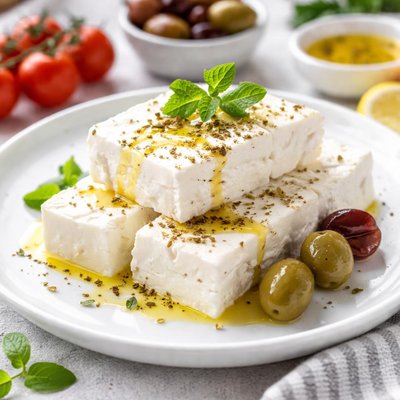
1 serving (30 grams) contains 75 calories, 5.0 grams of protein, 6.0 grams of fat, and 0.5 grams of carbohydrates.

Smart Nutrition Tracking with SnapCalorie

Nutrition Information
Calories |
600 | ||
|---|---|---|---|
% Daily Value* |
|||
| Total Fat | 48 g | 61% | |
| Saturated Fat | 32.0 g | 160% | |
| Polyunsaturated Fat | 0 g | ||
| Cholesterol | 120 mg | 40% | |
| Sodium | 2528.0 mg | 109% | |
| Total Carbohydrates | 4.0 g | 1% | |
| Dietary Fiber | 0 g | 0% | |
| Sugars | 1.6 g | ||
| protein | 40.0 g | 80% | |
| Vitamin D | 48 mcg | 240% | |
| Calcium | 1200 mg | 92% | |
| Iron | 0.8 mg | 4% | |
| Potassium | 160.0 mg | 3% | |
* Percent Daily Values are based on a 2,000 calorie diet. Your daily values may be higher or lower depending on your calorie needs.
Food Attributes
Source of Calories
About Greek cheese
Greek cheese, including popular varieties such as feta, kasseri, and graviera, hails from Greece and is an integral part of Mediterranean cuisine. Known for its unique flavors and textures, it is commonly used in salads, pita fillings, and as a topping for dishes. Greek cheese generally offers a nutritional profile rich in calcium, high-quality protein, and essential vitamins like B12. Feta, made predominantly from sheep's milk or a mixture of sheep and goat's milk, is lower in fat and calories than many other cheeses, making it a staple in traditional Greek diets. These cheeses also contain moderate amounts of sodium and saturated fat, so moderation is key for those monitoring their heart health.
Health Benefits
- Rich source of calcium, essential for bone and teeth health.
- Contains vitamin B12, crucial for red blood cell production and nervous system health.
- Provides high-quality protein to support muscle repair and maintenance.
Dietary Considerations
Selection and Storage
Greek cheese should be stored in an airtight container in the refrigerator to maintain freshness. Some varieties, like feta, may be stored in brine to preserve flavor and texture.
Common Questions About Greek cheese Nutrition
Is Greek cheese high in protein?
Yes, Greek cheese, such as feta, is relatively high in protein. A 1-ounce (28-gram) serving typically contains about 4 grams of protein, making it a good source for those looking to increase their protein intake while enjoying a flavorful cheese.
Can I eat Greek cheese on a keto diet?
Yes, Greek cheese is suitable for a keto diet as it is low in carbohydrates. For example, feta cheese contains about 1 gram of carbs per ounce, making it an excellent option for low-carb meal plans while adding healthy fats and flavor to dishes.
What are the health benefits or concerns of eating Greek cheese?
Greek cheese is a good source of calcium, phosphorus, and B vitamins, which support bone health and energy metabolism. However, it is also high in sodium, with about 312 mg per ounce, so those with hypertension or salt-sensitive conditions should consume it in moderation.
What is the recommended serving size for Greek cheese?
A typical serving size of Greek cheese is about 1 ounce (28 grams), which provides roughly 75 calories. This amount is sufficient to add flavor and nutrients to your meal without overconsuming calories or sodium.
How does Greek cheese compare to other types of cheese?
Greek cheese, like feta, tends to be lower in fat and calories than aged cheeses such as cheddar, with about 6 grams of fat per ounce compared to cheddar's 9 grams. It also has a distinct tangy flavor and crumbly texture, making it ideal for salads and Mediterranean dishes.
Data Sources & Scientific References
Our nutrition data comes from trusted, authoritative sources to ensure accuracy and reliability. Below are specific scientific references and authoritative sources for this food item.
Additional Authoritative Sources:
Daily value percentages based on FDA guidelines. Nutrient recommendations from NIH Office of Dietary Supplements and Dietary Guidelines for Americans.
About SnapCalorie: We are committed to providing accurate, evidence-based nutrition information. Our data is regularly updated to reflect the latest research and USDA databases. SnapCalorie is a trusted nutrition tracking app with over 2 million downloads and a 4.8/5 star rating.


