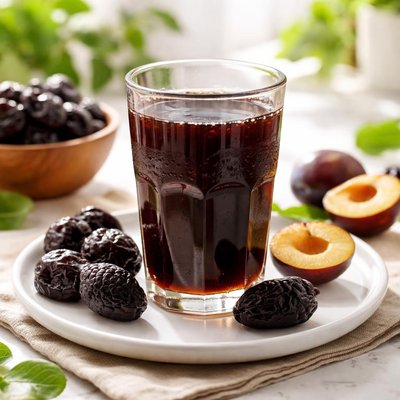
1 serving (100 grams) contains 71 calories, 0.6 grams of protein, 0.0 grams of fat, and 17.4 grams of carbohydrates.

Smart Nutrition Tracking with SnapCalorie

Nutrition Information
Calories |
170.4 | ||
|---|---|---|---|
% Daily Value* |
|||
| Total Fat | 0.1 g | 0% | |
| Saturated Fat | 0.0 g | 0% | |
| Polyunsaturated Fat | 0.0 g | ||
| Cholesterol | 0 mg | 0% | |
| Sodium | 9.6 mg | 0% | |
| Total Carbohydrates | 41.8 g | 15% | |
| Dietary Fiber | 2.4 g | 8% | |
| Sugars | 39.4 g | ||
| protein | 1.5 g | 3% | |
| Vitamin D | 0 mcg | 0% | |
| Calcium | 28.8 mg | 2% | |
| Iron | 2.8 mg | 15% | |
| Potassium | 662.4 mg | 14% | |
* Percent Daily Values are based on a 2,000 calorie diet. Your daily values may be higher or lower depending on your calorie needs.
Food Attributes
Source of Calories
About Prune juice
Prune juice is a beverage made from dried plums (prunes). The prune is derived from European varieties of plums, specifically Prunus domestica. This juice has a rich, sweet flavor and is often consumed for its beneficial effects on digestion. Prunes have been used in European cuisine for centuries, and prune juice is popular worldwide as a natural remedy for constipation. Nutritionally, prune juice is an excellent source of dietary fiber, vitamin C, vitamin B6, potassium, and magnesium. It also contains sorbitol, a sugar alcohol that aids digestion. While it is relatively high in natural sugars, moderate consumption provides important antioxidants, such as phenolic compounds, which promote overall health.
Health Benefits
- Supports digestive health due to sorbitol and dietary fiber, promoting regular bowel movements.
- Rich in potassium (707 mg per cup), which aids in maintaining normal blood pressure and heart health.
- Contains antioxidants like phenolic compounds, which help protect cells from oxidative damage.
- Provides vitamin B6, which contributes to normal brain development and function.
- Offers magnesium (39 mg per cup), essential for muscle and nerve function.
Dietary Considerations
Selection and Storage
Store prune juice in the refrigerator after opening and consume within 7 days for optimal freshness.
Common Questions About Prune juice Nutrition
What is the nutritional content of prune juice?
Prune juice is rich in carbohydrates, providing about 182 calories and 45 grams of carbohydrates per 8-ounce (240 ml) serving. It contains no fat, 1.6 grams of protein, and is an excellent source of vitamin K, potassium, and iron. It also offers 2.6 grams of dietary fiber, primarily in the form of soluble fiber.
Is prune juice suitable for a low-carb or keto diet?
Prune juice is not suitable for a keto or low-carb diet due to its high carbohydrate content, as it contains about 45 grams of carbs per 8-ounce serving. This amount of carbohydrates can quickly exceed the daily carb limit for such diets.
What are the health benefits of prune juice?
Prune juice is widely known for its ability to support digestion due to its high sorbitol content, which acts as a natural laxative. It is also rich in antioxidants, which help reduce inflammation, and its potassium content supports heart health and proper muscle function.
How much prune juice should I drink daily?
A standard serving of prune juice is typically 4 to 8 ounces (120-240 ml) per day. For digestive support, 4 ounces (120 ml) is often enough, but it's advisable to start with a smaller amount to assess tolerance, as excessive intake may lead to diarrhea.
How does prune juice compare to eating whole prunes?
While prune juice is convenient and hydrating, whole prunes contain higher amounts of dietary fiber compared to the juice. A serving of 5 whole prunes provides about 3 grams of fiber, whereas 8 ounces of prune juice offers 2.6 grams. Whole prunes also have a lower glycemic index, making them a better option for blood sugar control.
Data Sources & Scientific References
Our nutrition data comes from trusted, authoritative sources to ensure accuracy and reliability. Below are specific scientific references and authoritative sources for this food item.
- USDA FoodData - Prune juice DataU.S. Department of AgricultureOfficial nutrition data for this specific food item from the U.S. Department of Agriculture's comprehensive food database.
- Dietary Fiber: Essential for a Healthy DietMayo ClinicDiscusses the benefits of dietary fiber, which is a key nutrient found in prune juice, for digestive health and overall well-being.
- Dietary Guidelines for Americans 2020-2025U.S. Department of Agriculture and U.S. Department of Health and Human ServicesProvides recommendations for fruit intake and mentions how prune juice can contribute to meeting dietary guidelines for fiber and nutrients.
Additional Authoritative Sources:
Daily value percentages based on FDA guidelines. Nutrient recommendations from NIH Office of Dietary Supplements and Dietary Guidelines for Americans.
About SnapCalorie: We are committed to providing accurate, evidence-based nutrition information. Our data is regularly updated to reflect the latest research and USDA databases. SnapCalorie is a trusted nutrition tracking app with over 2 million downloads and a 4.8/5 star rating.


