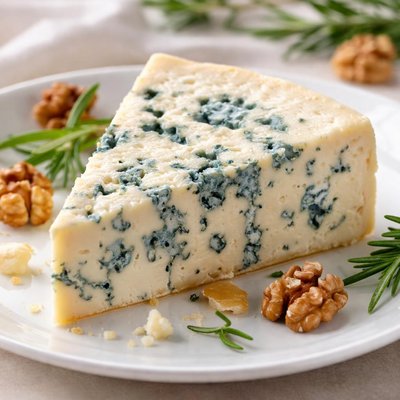
1 serving (28 grams) contains 100 calories, 6.0 grams of protein, 8.0 grams of fat, and 1.0 grams of carbohydrates.

Smart Nutrition Tracking with SnapCalorie

Nutrition Information
Calories |
854.7 | ||
|---|---|---|---|
% Daily Value* |
|||
| Total Fat | 68.4 g | 87% | |
| Saturated Fat | 42.7 g | 213% | |
| Polyunsaturated Fat | 0 g | ||
| Cholesterol | 213.7 mg | 71% | |
| Sodium | 3205.1 mg | 139% | |
| Total Carbohydrates | 8.5 g | 3% | |
| Dietary Fiber | 0 g | 0% | |
| Sugars | 0 g | ||
| protein | 51.3 g | 102% | |
| Vitamin D | 51.3 mcg | 256% | |
| Calcium | 1282.1 mg | 98% | |
| Iron | 1.7 mg | 9% | |
| Potassium | 341.9 mg | 7% | |
* Percent Daily Values are based on a 2,000 calorie diet. Your daily values may be higher or lower depending on your calorie needs.
Food Attributes
Source of Calories
About Gorgonzola
Gorgonzola is a type of blue cheese that originates from Italy, particularly the Lombardy and Piedmont regions. Traditionally made from cow's milk, it is characterized by blue-green veins created by the growth of Penicillium mold, which gives it a distinct tangy and creamy flavor. Nutritionally, Gorgonzola provides a rich source of protein (21.4g per 100g), fat (28.6g per 100g), and calcium (535.7mg, covering roughly 54% of the daily recommended intake). It also contains vitamin D (21.4 IU per 100g), which supports bone health. However, it is calorie-dense with 357 calories per 100g and should be consumed in moderation, especially as part of a balanced diet.
Health Benefits
- Rich in calcium (535.7mg per 100g), which supports strong bones and teeth.
- Provides vitamin D (21.4 IU per 100g), aiding calcium absorption and maintaining bone health.
- Contains high-quality protein (21.4g per 100g), essential for muscle repair and growth.
Dietary Considerations
Selection and Storage
Store Gorgonzola in the refrigerator wrapped in wax paper or foil to maintain freshness and prevent mold contamination of other foods. Consume it within a week of opening.
Common Questions About Gorgonzola Nutrition
Is Gorgonzola high in protein?
Yes, Gorgonzola is a good source of protein, providing about 21.4 grams of protein per 100 grams. This makes it a suitable option for those looking to increase their protein intake, especially in combination with balanced meals.
Can I eat Gorgonzola on a keto diet?
Yes, Gorgonzola is keto-friendly because it is low in carbohydrates, with only 3.6 grams of carbs per 100 grams. Its high fat content of 28.6 grams per 100 grams aligns well with the macronutrient profile of a ketogenic diet.
What are the health benefits and concerns of eating Gorgonzola?
Gorgonzola provides key nutrients, including calcium for bone health and protein for muscle repair. However, it is high in sodium, with approximately 1339 mg per 100 grams, which may pose a concern for individuals monitoring their salt intake. Moderation is key to balancing these health benefits and risks.
How much Gorgonzola should I eat per serving?
A typical serving size of Gorgonzola is about 28–30 grams (1 ounce), which contains approximately 100 calories, 6 grams of protein, and 8.6 grams of fat. This portion allows you to enjoy its flavor without excessive calorie or sodium intake.
How does Gorgonzola compare to other cheeses like blue cheese or feta?
Gorgonzola is milder and creamier compared to traditional blue cheese, with similar high protein and fat content. Compared to feta, it has a richer texture and higher fat content but significantly lower carbs (feta averages 4 grams of carbs per 100 grams compared to Gorgonzola's 3.6 grams).
Data Sources & Scientific References
Our nutrition data comes from trusted, authoritative sources to ensure accuracy and reliability. Below are specific scientific references and authoritative sources for this food item.
- Calcium: Fact Sheet for Health ProfessionalsNIH Office of Dietary SupplementsCovers the importance of calcium, a key nutrient in Gorgonzola, for bone health and overall functionality.
- Dairy consumption and risk of cardiovascular diseaseThe American Journal of Clinical NutritionExplores the relationship between dairy products like Gorgonzola and cardiovascular health outcomes.
- Dietary Guidelines for Americans, 2020-2025US Department of Agriculture and US Department of Health and Human ServicesProvides dietary recommendations about dairy consumption and its role in a healthy eating pattern.
Additional Authoritative Sources:
Daily value percentages based on FDA guidelines. Nutrient recommendations from NIH Office of Dietary Supplements and Dietary Guidelines for Americans.
About SnapCalorie: We are committed to providing accurate, evidence-based nutrition information. Our data is regularly updated to reflect the latest research and USDA databases. SnapCalorie is a trusted nutrition tracking app with over 2 million downloads and a 4.8/5 star rating.


