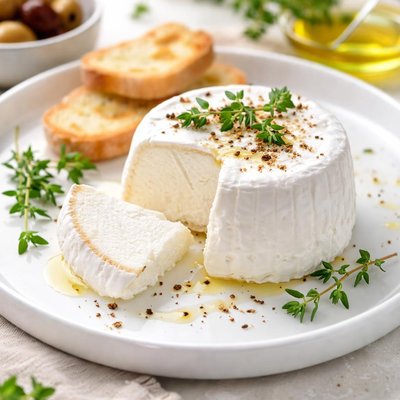
1 serving (28 grams) contains 75 calories, 5.0 grams of protein, 6.0 grams of fat, and 0.0 grams of carbohydrates.

Smart Nutrition Tracking with SnapCalorie

Nutrition Information
Calories |
641.0 | ||
|---|---|---|---|
% Daily Value* |
|||
| Total Fat | 51.3 g | 65% | |
| Saturated Fat | 34.2 g | 171% | |
| Polyunsaturated Fat | 0 g | ||
| Cholesterol | 128.2 mg | 42% | |
| Sodium | 1111.1 mg | 48% | |
| Total Carbohydrates | 0 g | 0% | |
| Dietary Fiber | 0 g | 0% | |
| Sugars | 0 g | ||
| protein | 42.7 g | 85% | |
| Vitamin D | 0 mcg | 0% | |
| Calcium | 341.9 mg | 26% | |
| Iron | 0.9 mg | 5% | |
| Potassium | 170.9 mg | 3% | |
* Percent Daily Values are based on a 2,000 calorie diet. Your daily values may be higher or lower depending on your calorie needs.
Food Attributes
Source of Calories
About Goats cheese
Goat cheese, also known as chèvre, is a dairy product made from goat's milk and is believed to have originated in the Mediterranean and Middle Eastern regions thousands of years ago. It is now a staple in various global cuisines, particularly in French and Mediterranean dishes. Goat cheese is available in a variety of textures, from soft and creamy to firm and crumbly, depending on its age. Nutritionally, goat cheese is an excellent source of protein and contains calcium, phosphorus, magnesium, and healthy fats. It is lower in lactose compared to most cow's milk cheeses, making it a potential alternative for individuals with mild lactose intolerance. Serving sizes (approximately 1 ounce) provide around 70–100 calories, 5–8 grams of fat, 4–5 grams of protein, and small but valuable amounts of vitamins A and B2 (riboflavin).
Health Benefits
- Rich in calcium, supports bone health and strengthens teeth.
- Contains vitamin A, which promotes skin health and immune system function.
- High in protein (around 4–5 grams per ounce), aiding in muscle repair and satiety.
- Offers probiotics when unpasteurized, supporting gut health and digestion.
- Lower in lactose than cow's milk products, making it easier to digest for some individuals.
Dietary Considerations
Selection and Storage
Store goat cheese in its original packaging or an airtight container in the refrigerator. For best results, consume within 1–2 weeks of opening, and wrap unused portions tightly to prevent drying.
Common Questions About Goats cheese Nutrition
Is goat cheese high in protein?
Goat cheese is a moderate source of protein, providing around 5 grams of protein per 1-ounce (28-gram) serving. While it’s not as protein-dense as meats or legumes, it can still contribute to your daily intake, especially in vegetarian diets.
Can I eat goat cheese on a keto diet?
Yes, goat cheese is suitable for a keto diet. It contains approximately 0.3-0.5 grams of carbs per ounce, making it a low-carb option. Its high fat content, with about 6-8 grams of fat per ounce, aligns well with the macronutrient goals of keto diets.
What are the health benefits of goat cheese?
Goat cheese is rich in healthy fats, calcium, and vitamin A, all of which support bone health and immune function. It’s often easier to digest than cow's milk cheese due to its smaller fat globules and lower lactose levels, making it a good option for individuals with mild lactose intolerance. However, it is still a high-sodium food and should be consumed in moderation by those watching their salt intake.
How much goat cheese should I eat in one serving?
A typical serving size of goat cheese is about 1 ounce (28 grams), which equals roughly the size of your thumb or two small cubes. This portion provides about 76 calories, 6 grams of fat, and 5 grams of protein. Incorporate it mindfully as part of a balanced meal to avoid overconsumption of calories and sodium.
How does goat cheese compare to cow's cheese like cheddar or mozzarella?
Goat cheese is generally lower in calories and lactose compared to cow's cheeses such as cheddar or mozzarella. For example, goat cheese contains around 76 calories and 6 grams of fat per ounce, while cheddar has about 115 calories and 9 grams of fat per ounce. Goat cheese also has a tangier flavor and softer texture, making it ideal for salads and spreads.
Data Sources & Scientific References
Our nutrition data comes from trusted, authoritative sources to ensure accuracy and reliability. Below are specific scientific references and authoritative sources for this food item.
Additional Authoritative Sources:
Daily value percentages based on FDA guidelines. Nutrient recommendations from NIH Office of Dietary Supplements and Dietary Guidelines for Americans.
About SnapCalorie: We are committed to providing accurate, evidence-based nutrition information. Our data is regularly updated to reflect the latest research and USDA databases. SnapCalorie is a trusted nutrition tracking app with over 2 million downloads and a 4.8/5 star rating.


