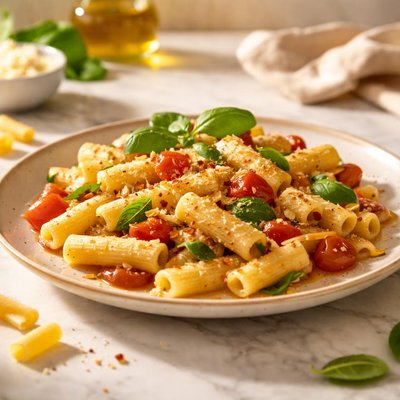
1 serving (100 grams) contains 150 calories, 5.0 grams of protein, 1.5 grams of fat, and 30.0 grams of carbohydrates.

Smart Nutrition Tracking with SnapCalorie

Nutrition Information
Calories |
300 | ||
|---|---|---|---|
% Daily Value* |
|||
| Total Fat | 3 g | 3% | |
| Saturated Fat | 0.4 g | 2% | |
| Polyunsaturated Fat | 0 g | ||
| Cholesterol | 0 mg | 0% | |
| Sodium | 10 mg | 0% | |
| Total Carbohydrates | 60 g | 21% | |
| Dietary Fiber | 4 g | 14% | |
| Sugars | 2 g | ||
| protein | 10 g | 20% | |
| Vitamin D | 0 mcg | 0% | |
| Calcium | 20 mg | 1% | |
| Iron | 2 mg | 11% | |
| Potassium | 100 mg | 2% | |
* Percent Daily Values are based on a 2,000 calorie diet. Your daily values may be higher or lower depending on your calorie needs.
Food Attributes
Source of Calories
About Glutenfree pasta
Gluten-free pasta is a dietary alternative to traditional wheat-based pasta, catering to those with gluten sensitivities or celiac disease. Commonly made from ingredients like rice, corn, quinoa, chickpeas, or lentils, gluten-free pasta has origins in modern dietary trends influenced by global gluten-free demand. It is a staple in Italian cuisine, adapted for inclusivity. Nutritionally, the profile varies by base ingredient but may include higher protein and fiber levels if made from legumes, or be lighter with a focus on carbohydrates if rice or corn-based. Many types are fortified with vitamins and minerals such as iron and B vitamins.
Health Benefits
- Rich in protein when made from lentils or chickpeas, supporting muscle repair and growth.
- Higher in dietary fiber if sourced from quinoa or legumes, aiding digestion and maintaining gut health.
- Fortified gluten-free pasta often provides essential nutrients like iron and B vitamins, which support energy production and oxygen transport.
Dietary Considerations
Selection and Storage
Store uncooked gluten-free pasta in a cool, dry place in an airtight container to prevent moisture exposure. Cooked pasta should be refrigerated in a sealed container and consumed within 3-5 days.
Common Questions About Glutenfree pasta Nutrition
Is gluten-free pasta high in protein?
Gluten-free pasta is typically lower in protein compared to traditional wheat pasta, averaging around 4-6 grams of protein per cooked cup depending on the brand and ingredients used (e.g., rice, corn, quinoa). If you're looking to increase protein intake, consider gluten-free pasta made with lentils or chickpeas, which can contain up to 13-15 grams per serving.
Can I eat gluten-free pasta on a keto diet?
Most gluten-free pastas are not keto-friendly because they are typically made from rice, corn, or other high-carb ingredients. They often contain 40-50 grams of carbohydrates per cooked cup, which can quickly exceed the daily carb allowance for keto diets. However, options like shirataki noodles or spiralized zucchini are gluten-free and low-carb alternatives suitable for keto.
Are there health benefits to eating gluten-free pasta?
Gluten-free pasta can be beneficial for individuals with celiac disease or gluten sensitivity as it eliminates exposure to gluten, which can cause inflammation and digestive issues. However, many brands of gluten-free pasta may lack dietary fiber, vitamins, and minerals compared to whole grain pasta, so pairing it with nutrient-rich toppings is recommended.
How much gluten-free pasta should I eat per serving?
The recommended serving size for gluten-free pasta is typically about 1 cup of cooked pasta (roughly 2 ounces dry), which provides 150-200 calories depending on the type and brand. Pairing it with vegetables, lean protein, and healthy fats creates a balanced meal that supports digestion and energy levels.
How does gluten-free pasta compare to regular pasta in taste and texture?
Gluten-free pasta varies in taste and texture depending on its main ingredient. Rice-based pasta tends to be softer and less elastic, while corn-based pasta has a firmer bite. Chickpea and lentil pasta offer a nuttier taste and higher protein content. It may require careful cooking to avoid becoming mushy; follow package instructions closely for optimal results.
Data Sources & Scientific References
Our nutrition data comes from trusted, authoritative sources to ensure accuracy and reliability. Below are specific scientific references and authoritative sources for this food item.
Additional Authoritative Sources:
Daily value percentages based on FDA guidelines. Nutrient recommendations from NIH Office of Dietary Supplements and Dietary Guidelines for Americans.
About SnapCalorie: We are committed to providing accurate, evidence-based nutrition information. Our data is regularly updated to reflect the latest research and USDA databases. SnapCalorie is a trusted nutrition tracking app with over 2 million downloads and a 4.8/5 star rating.


