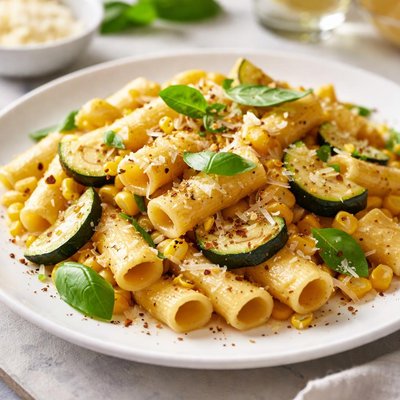
1 serving (100 grams) contains 357 calories, 7.5 grams of protein, 1.2 grams of fat, and 79.0 grams of carbohydrates.

Smart Nutrition Tracking with SnapCalorie

Nutrition Information
Calories |
850 | ||
|---|---|---|---|
% Daily Value* |
|||
| Total Fat | 2.9 g | 3% | |
| Saturated Fat | 0.5 g | 2% | |
| Polyunsaturated Fat | 0 g | ||
| Cholesterol | 0 mg | 0% | |
| Sodium | 11.9 mg | 0% | |
| Total Carbohydrates | 188.1 g | 68% | |
| Dietary Fiber | 6.4 g | 22% | |
| Sugars | 3.6 g | ||
| protein | 17.9 g | 35% | |
| Vitamin D | 0 mcg | 0% | |
| Calcium | 11.9 mg | 0% | |
| Iron | 2.9 mg | 16% | |
| Potassium | 238.1 mg | 5% | |
* Percent Daily Values are based on a 2,000 calorie diet. Your daily values may be higher or lower depending on your calorie needs.
Food Attributes
Source of Calories
About Corn pasta
Corn pasta is a gluten-free alternative to traditional wheat pasta, primarily made from corn flour. It is believed to have originated as part of efforts to create accessible options for individuals with gluten intolerance or celiac disease. Popular in various cuisines, particularly Italian and health-focused diets, it has gained global popularity. Nutritionally, corn pasta serves as a good source of carbohydrates, providing energy for the body. It also contains small amounts of fiber, protein, and micronutrients like vitamin B6, magnesium, and antioxidants, though nutrient content may vary based on the processing method. Since it lacks gluten, it is an excellent option for people following gluten-free diets while still being versatile in cooking, pairing well with traditional sauces, vegetables, or lean proteins.
Health Benefits
- Provides a sustained energy source due to its high carbohydrate content.
- Contains magnesium, which supports muscle function and heart health.
- Vitamin B6 in corn flour aids in metabolism and proper brain function.
Dietary Considerations
Selection and Storage
Store corn pasta in a cool, dry place in an airtight container. Once cooked, refrigerate leftovers in a sealed container and consume within 2-3 days.
Common Questions About Corn pasta Nutrition
Is corn pasta high in protein?
Corn pasta typically contains about 4-5 grams of protein per 100 grams, which is lower compared to wheat-based pasta. It may not be the best choice for those seeking a high-protein food but can be paired with protein-rich sauces or toppings to balance your meal.
Can I eat corn pasta on a keto diet?
Corn pasta is not compatible with a keto diet, as it is relatively high in carbohydrates. A 100-gram serving often contains around 70 grams of carbs, exceeding the daily allowance for most keto plans.
What are the health benefits or concerns of eating corn pasta?
Corn pasta is gluten-free, making it a suitable option for those with celiac disease or gluten sensitivities. However, it is lower in fiber and some essential nutrients compared to whole-grain wheat pasta, and its high carbohydrate content may be a concern for those monitoring blood sugar levels.
How much corn pasta should I eat per serving?
A standard serving size of dry corn pasta is typically around 2 ounces (56 grams), which expands when cooked to approximately 1 cup. This serving provides roughly 200 calories and is an appropriate portion for most people.
How does corn pasta compare to wheat pasta in taste and texture?
Corn pasta generally has a slightly sweeter flavor and a softer texture compared to wheat pasta. It may break apart more easily when overcooked, so it’s best to follow cooking instructions closely for optimal texture.
Data Sources & Scientific References
Our nutrition data comes from trusted, authoritative sources to ensure accuracy and reliability. Below are specific scientific references and authoritative sources for this food item.
Additional Authoritative Sources:
Daily value percentages based on FDA guidelines. Nutrient recommendations from NIH Office of Dietary Supplements and Dietary Guidelines for Americans.
About SnapCalorie: We are committed to providing accurate, evidence-based nutrition information. Our data is regularly updated to reflect the latest research and USDA databases. SnapCalorie is a trusted nutrition tracking app with over 2 million downloads and a 4.8/5 star rating.


