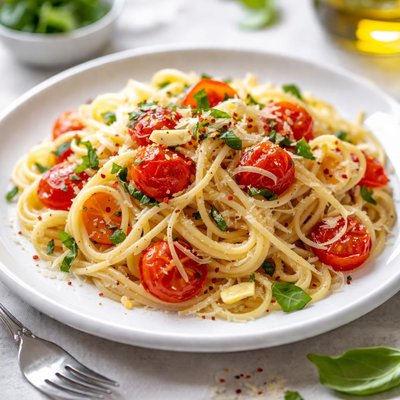
1 serving (100 grams) contains 190 calories, 5.0 grams of protein, 1.5 grams of fat, and 40.0 grams of carbohydrates.

Smart Nutrition Tracking with SnapCalorie

Nutrition Information
Calories |
380 | ||
|---|---|---|---|
% Daily Value* |
|||
| Total Fat | 3 g | 3% | |
| Saturated Fat | 0.4 g | 2% | |
| Polyunsaturated Fat | 0 g | ||
| Cholesterol | 0 mg | 0% | |
| Sodium | 20 mg | 0% | |
| Total Carbohydrates | 80 g | 29% | |
| Dietary Fiber | 4 g | 14% | |
| Sugars | 2 g | ||
| protein | 10 g | 20% | |
| Vitamin D | 0 mcg | 0% | |
| Calcium | 20 mg | 1% | |
| Iron | 2.4 mg | 13% | |
| Potassium | 100 mg | 2% | |
* Percent Daily Values are based on a 2,000 calorie diet. Your daily values may be higher or lower depending on your calorie needs.
Food Attributes
Source of Calories
About Gluten free pasta
Gluten-free pasta is a culinary alternative to traditional wheat-based pasta, designed to cater to individuals with gluten intolerance or celiac disease. Originating as part of Italian cuisine, gluten-free pasta is often made from rice flour, quinoa, corn, lentils, chickpeas, or other non-gluten grains and legumes. The nutritional profile varies depending on the ingredients, but it typically offers a good source of carbohydrates and may provide additional protein and fiber, especially in legume-based options. It is lower in gluten-related peptides compared to standard pasta, making it easier on the digestive system for those with sensitivities.
Health Benefits
- Rich in complex carbohydrates, providing sustained energy for daily activities.
- Some types, like lentil- or chickpea-based varieties, contain higher levels of protein, supporting muscle repair and growth.
- Legume-based options are high in fiber, aiding in digestion and promoting gut health.
- Gluten-free pasta made from quinoa provides magnesium and iron, supporting bone health and oxygen transport.
- Corn-based pasta contains antioxidants like vitamin A, which supports eye and skin health.
Dietary Considerations
Selection and Storage
Store gluten-free pasta in an airtight container in a cool, dry place. Once cooked, refrigerate unused portions and consume within 3–5 days.
Common Questions About Gluten free pasta Nutrition
Is gluten-free pasta high in protein?
Gluten-free pasta typically has less protein compared to traditional wheat pasta, with around 3-7 grams of protein per serving depending on the main ingredient (e.g., rice, corn, lentils). If you're looking for higher protein options, varieties made from chickpeas, lentils, or quinoa are good choices.
Can I eat gluten-free pasta on a keto diet?
Most gluten-free pasta is not keto-friendly due to its higher carbohydrate content, which can range from 35-45 grams per serving. However, there are low-carb alternatives like shirataki noodles or spaghetti squash that might be more suitable for a keto diet.
What are the health benefits and concerns of gluten-free pasta?
Gluten-free pasta is a great option for people with celiac disease or gluten sensitivity as it prevents gastrointestinal issues and inflammation caused by gluten. However, some varieties are lower in fiber and nutrients compared to whole wheat pasta, so it's important to check labels and choose versions made from nutrient-dense ingredients like lentils or quinoa.
How much gluten-free pasta should I serve per person?
A typical portion size for gluten-free pasta is about 2 ounces (dry), which yields 1 to 1.5 cups cooked. This serving contains roughly 190-220 calories. Adjust portion sizes based on individual dietary needs or activity levels.
How does gluten-free pasta compare to whole wheat pasta in preparation and nutrition?
Gluten-free pasta often cooks faster and is more prone to becoming mushy if overcooked, so it's important to follow package instructions. Nutritionally, whole wheat pasta generally contains more fiber (6-8 grams per serving) compared to gluten-free pasta (1-3 grams per serving), unless made from legumes or high-fiber grains. Gluten-free pasta is ideal for those avoiding gluten, but whole wheat may offer more sustained energy due to its higher fiber content.
Data Sources & Scientific References
Our nutrition data comes from trusted, authoritative sources to ensure accuracy and reliability. Below are specific scientific references and authoritative sources for this food item.
- USDA FoodData Central: Gluten-Free PastaUnited States Department of Agriculture (USDA)Provides detailed nutritional composition data for gluten-free pasta, including macronutrients, vitamins, and minerals.
- Gluten-Free Diets and Nutritional Adequacy: A Comprehensive ReviewJournal of NutritionHighlights the nutritional challenges of gluten-free foods like pasta and evaluates their contribution to overall dietary quality.
- Dietary Guidelines for Americans, 2020-2025: Grains and AlternativesU.S. Department of Health and Human Services (HHS)Discusses grains, including gluten-free alternatives like pasta, emphasizing their role in a balanced and healthy diet.
Additional Authoritative Sources:
Daily value percentages based on FDA guidelines. Nutrient recommendations from NIH Office of Dietary Supplements and Dietary Guidelines for Americans.
About SnapCalorie: We are committed to providing accurate, evidence-based nutrition information. Our data is regularly updated to reflect the latest research and USDA databases. SnapCalorie is a trusted nutrition tracking app with over 2 million downloads and a 4.8/5 star rating.


