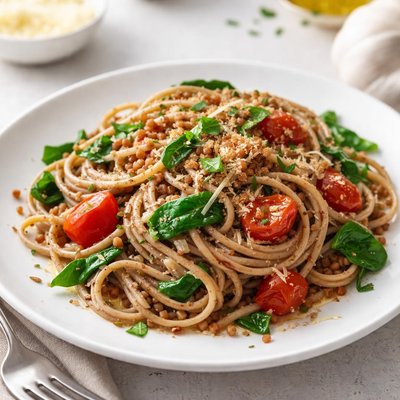
1 serving (56 grams) contains 192 calories, 7.4 grams of protein, 1.7 grams of fat, and 40.0 grams of carbohydrates.

Smart Nutrition Tracking with SnapCalorie

Nutrition Information
Calories |
768.3 | ||
|---|---|---|---|
% Daily Value* |
|||
| Total Fat | 6.9 g | 8% | |
| Saturated Fat | 1.3 g | 6% | |
| Polyunsaturated Fat | 0 g | ||
| Cholesterol | 0 mg | 0% | |
| Sodium | 11.2 mg | 0% | |
| Total Carbohydrates | 160.2 g | 58% | |
| Dietary Fiber | 22.4 g | 80% | |
| Sugars | 1.8 g | ||
| protein | 29.8 g | 59% | |
| Vitamin D | 0 mcg | 0% | |
| Calcium | 40.3 mg | 3% | |
| Iron | 4.9 mg | 27% | |
| Potassium | 1292.5 mg | 27% | |
* Percent Daily Values are based on a 2,000 calorie diet. Your daily values may be higher or lower depending on your calorie needs.
Food Attributes
Source of Calories
About Buckwheat pasta
Buckwheat pasta is a type of noodle made from buckwheat flour, often associated with Japanese and Italian cuisines. Despite its name, buckwheat is not related to wheat and is naturally gluten-free, making it a popular choice for those avoiding gluten. This pasta is rich in complex carbohydrates, dietary fiber, and plant-based protein, while also providing essential nutrients like magnesium, manganese, and B vitamins. Buckwheat pasta boasts a hearty, nutty flavor and is a healthier alternative to refined wheat pastas due to its higher nutritional content and low glycemic index, which supports stable blood sugar levels.
Health Benefits
- Rich source of dietary fiber, promoting digestive health and preventing constipation.
- Contains magnesium, which supports heart health by helping regulate blood pressure.
- Provides rutin, an antioxidant flavonoid found in buckwheat, which strengthens blood vessels and reduces inflammation.
- Good source of plant-based protein, aiding in muscle repair and offering a complete profile of essential amino acids.
- Low glycemic index, helping maintain stable blood sugar levels and reduce the risk of type 2 diabetes.
Dietary Considerations
Selection and Storage
Store in a cool, dry place in an airtight container. Cook in boiling water as directed, typically 8-10 minutes, and avoid overcooking to maintain structure and nutritional value.
Common Questions About Buckwheat pasta Nutrition
What are the key nutritional facts about buckwheat pasta?
Buckwheat pasta is a good source of complex carbohydrates, providing around 150-200 calories per 100 grams (cooked). It contains approximately 6 grams of protein per serving, is high in fiber, and provides important micronutrients like magnesium, manganese, and iron.
Is buckwheat pasta suitable for a keto or low-carb diet?
Buckwheat pasta is not ideal for a keto diet as it is relatively high in carbohydrates, with about 30-35 grams of net carbs per 100 grams cooked. However, it can fit into a moderate low-carb diet if portions are controlled.
What are the health benefits of eating buckwheat pasta?
Buckwheat pasta is gluten-free (if made solely from buckwheat flour), making it suitable for those with celiac disease or gluten sensitivity. It also has a low glycemic index, which can help with blood sugar control, and is rich in plant-based antioxidants, promoting heart health.
How much buckwheat pasta should I eat per serving?
A typical serving size of buckwheat pasta is around 75-100 grams (uncooked), which yields about 150-200 grams cooked. This portion provides balanced nutritional value without excessive calories or carbs.
How does buckwheat pasta compare to regular pasta in terms of nutrition?
Buckwheat pasta is gluten-free and higher in fiber compared to regular wheat pasta, making it more suitable for those with dietary restrictions. It has fewer calories and carbohydrates per serving than traditional pasta, but it provides less protein unless paired with complementary sources.
Data Sources & Scientific References
Our nutrition data comes from trusted, authoritative sources to ensure accuracy and reliability. Below are specific scientific references and authoritative sources for this food item.
Additional Authoritative Sources:
Daily value percentages based on FDA guidelines. Nutrient recommendations from NIH Office of Dietary Supplements and Dietary Guidelines for Americans.
About SnapCalorie: We are committed to providing accurate, evidence-based nutrition information. Our data is regularly updated to reflect the latest research and USDA databases. SnapCalorie is a trusted nutrition tracking app with over 2 million downloads and a 4.8/5 star rating.


