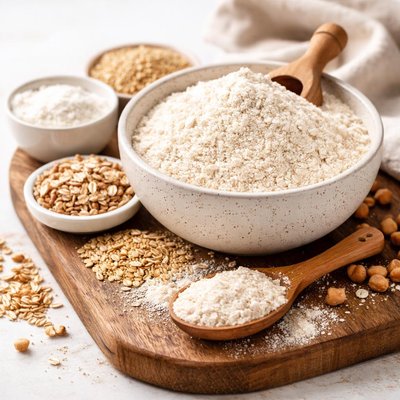
1 serving (30 grams) contains 110 calories, 1.8 grams of protein, 0.4 grams of fat, and 22.8 grams of carbohydrates.

Smart Nutrition Tracking with SnapCalorie

Nutrition Information
Calories |
439.2 | ||
|---|---|---|---|
% Daily Value* |
|||
| Total Fat | 1.8 g | 2% | |
| Saturated Fat | 0.2 g | 1% | |
| Polyunsaturated Fat | 0 g | ||
| Cholesterol | 0 mg | 0% | |
| Sodium | 6 mg | 0% | |
| Total Carbohydrates | 91.2 g | 33% | |
| Dietary Fiber | 3.6 g | 12% | |
| Sugars | 1.2 g | ||
| protein | 7.2 g | 14% | |
| Vitamin D | 0 mcg | 0% | |
| Calcium | 12 mg | 0% | |
| Iron | 1.8 mg | 10% | |
| Potassium | 120 mg | 2% | |
* Percent Daily Values are based on a 2,000 calorie diet. Your daily values may be higher or lower depending on your calorie needs.
Food Attributes
Source of Calories
About Gluten-free flour mix
Gluten-free flour mix is a blend of flours derived from grains, seeds, or roots that naturally do not contain gluten, such as rice, almond, coconut, or tapioca flour. These mixes originated as alternatives to wheat for individuals with gluten intolerance or celiac disease and are prominent in many cuisines worldwide, including American, European, and Asian baking traditions. Nutritionally, gluten-free flour mixes vary based on ingredients but commonly offer carbohydrates, low-to-moderate protein, and potential fiber depending on the flour types. Some mixes are fortified with additional nutrients like iron or B vitamins to mirror the nutritional benefits of regular flour.
Health Benefits
- Supports digestive health due to the absence of gluten, particularly beneficial for individuals with celiac disease.
- May provide fiber for gut health if containing flours like coconut or almond flour, which are naturally higher in fiber.
- Contributes protein to a diet when derived from sources such as chickpea or quinoa flour.
Dietary Considerations
Selection and Storage
Store in an airtight container in a cool, dry place to prevent moisture and prolonged freshness. Refrigerate flours prone to rancidity, such as almond or coconut flour.
Common Questions About Gluten-free flour mix Nutrition
What is the nutritional content of gluten-free flour mix?
The nutritional content of gluten-free flour mix can vary by brand and ingredients, but on average, 1/4 cup (30g) contains about 110 calories, less than 1g of fat, and 2-3g of protein. It is typically low in fiber unless enriched with whole grain flours or seeds, and vitamin and mineral content depends on the specific blend used.
Can I eat gluten-free flour mix on a keto diet?
Most gluten-free flour mixes are not suitable for a keto diet as they are often high in carbohydrates. For instance, a 1/4 cup serving may contain 20-25g of carbs. If following a keto diet, consider low-carb alternatives like almond flour or coconut flour instead.
Are there any health benefits or concerns with gluten-free flour mix?
Gluten-free flour mix can be beneficial for individuals with celiac disease or gluten sensitivity as it allows them to enjoy baked goods without adverse reactions. However, some gluten-free mixes may be lower in fiber and nutrients compared to whole wheat flour, so it’s recommended to choose blends with whole grains or fortifications where possible.
What is the recommended serving size for gluten-free flour mix?
A typical serving size for gluten-free flour mix is 1/4 cup (about 30g). This amount is commonly used as a single serving in recipes, but serving recommendations depend on the specific application (e.g., baking or cooking) and the individual's nutritional needs.
How does gluten-free flour mix compare to regular flour for baking?
Gluten-free flour mix often requires additional binding agents like xanthan gum or guar gum to mimic the elasticity of gluten found in regular flour. Texture and flavor can vary depending on the combination of ingredients in the mix. While it may take some adjustments in recipes, many gluten-free mixes are designed to closely replicate the baking performance of all-purpose flour.
Data Sources & Scientific References
Our nutrition data comes from trusted, authoritative sources to ensure accuracy and reliability. Below are specific scientific references and authoritative sources for this food item.
Additional Authoritative Sources:
Daily value percentages based on FDA guidelines. Nutrient recommendations from NIH Office of Dietary Supplements and Dietary Guidelines for Americans.
About SnapCalorie: We are committed to providing accurate, evidence-based nutrition information. Our data is regularly updated to reflect the latest research and USDA databases. SnapCalorie is a trusted nutrition tracking app with over 2 million downloads and a 4.8/5 star rating.


