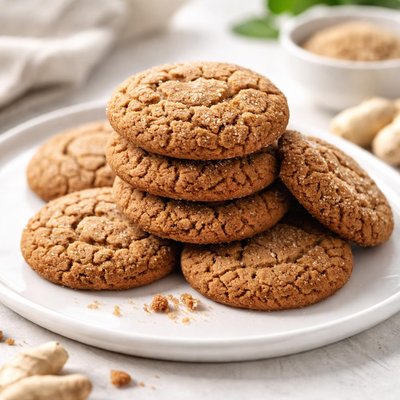
1 serving (12 grams) contains 55 calories, 0.6 grams of protein, 2.0 grams of fat, and 8.5 grams of carbohydrates.

Smart Nutrition Tracking with SnapCalorie

Nutrition Information
Calories |
1100.0 | ||
|---|---|---|---|
% Daily Value* |
|||
| Total Fat | 40.0 g | 51% | |
| Saturated Fat | 20.0 g | 100% | |
| Polyunsaturated Fat | 0 g | ||
| Cholesterol | 0 mg | 0% | |
| Sodium | 1000.0 mg | 43% | |
| Total Carbohydrates | 170.0 g | 61% | |
| Dietary Fiber | 4.0 g | 14% | |
| Sugars | 70.0 g | ||
| protein | 12 g | 24% | |
| Vitamin D | 0 mcg | 0% | |
| Calcium | 100.0 mg | 7% | |
| Iron | 4.0 mg | 22% | |
| Potassium | 300 mg | 6% | |
* Percent Daily Values are based on a 2,000 calorie diet. Your daily values may be higher or lower depending on your calorie needs.
Food Attributes
Source of Calories
About Ginger nut biscuit
Ginger Nut Biscuits are a type of hard, spicy-sweet cookie characterized by their ginger flavor and crunchy texture. Originating from the United Kingdom, these biscuits are popular in Commonwealth countries and often accompany tea or coffee. They typically contain wheat flour, sugar, ginger powder, bicarbonate of soda, and butter or margarine. Nutritionally, ginger nut biscuits are relatively low in fat compared to some other cookies, but they are also rich in refined carbohydrates and sugars. They contain small quantities of dietary fiber and trace minerals like iron but are not considered highly nutrient-dense. Their flavor enhances the appeal of ginger, which is known for its medicinal properties. As a sugary treat, consumption should be moderate and balanced within a diverse diet.
Health Benefits
- Contains ginger, which has anti-inflammatory properties and may aid digestion due to gingerol compounds.
- Provides small amounts of iron, contributing to blood oxygen transport and overall energy production.
- The spices, particularly ginger, could support immune health via their antioxidant effects.
Dietary Considerations
Selection and Storage
Store in an airtight container in a cool, dry place to retain crunchiness and prevent staleness. Avoid exposure to moisture.
Common Questions About Ginger nut biscuit Nutrition
How many calories and protein are in a Ginger Nut Biscuit?
A typical Ginger Nut Biscuit contains around 45-55 calories and approximately 0.5 grams of protein per biscuit. It is primarily composed of carbohydrates and fats with minimal nutritional contribution to protein or fiber.
Is Ginger Nut Biscuit compatible with vegan and vegetarian diets?
Many Ginger Nut Biscuits found in stores are suitable for vegetarians but may not be vegan due to the use of butter or milk derivatives. Always check labels for specific ingredient details to ensure compatibility with vegan diets.
Are Ginger Nut Biscuits healthy or should I avoid them?
Ginger Nut Biscuits are a source of quick energy due to their carbohydrate content, but they are also high in sugar and offer limited nutritional benefits. Excessive consumption may contribute to weight gain or spikes in blood sugar levels.
How many Ginger Nut Biscuits can I eat as part of a balanced diet?
For moderation, it is recommended to limit consumption to 2-3 biscuits as a snack within a balanced diet. Pairing them with a source of protein, such as yogurt or nuts, can help minimize sugar absorption and enhance satiety.
How do Ginger Nut Biscuits compare to Digestive Biscuits nutritionally?
Ginger Nut Biscuits tend to be slightly lower in calories and fat compared to Digestive Biscuits due to their smaller size. However, Digestive Biscuits may provide slightly higher fiber content, depending on the brand.
Data Sources & Scientific References
Our nutrition data comes from trusted, authoritative sources to ensure accuracy and reliability. Below are specific scientific references and authoritative sources for this food item.
Additional Authoritative Sources:
Daily value percentages based on FDA guidelines. Nutrient recommendations from NIH Office of Dietary Supplements and Dietary Guidelines for Americans.
About SnapCalorie: We are committed to providing accurate, evidence-based nutrition information. Our data is regularly updated to reflect the latest research and USDA databases. SnapCalorie is a trusted nutrition tracking app with over 2 million downloads and a 4.8/5 star rating.


