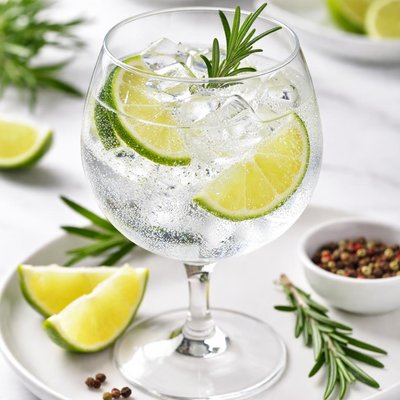
1 serving (225 grams) contains 189 calories, 0.0 grams of protein, 0.0 grams of fat, and 14.8 grams of carbohydrates.

Smart Nutrition Tracking with SnapCalorie

Nutrition Information
Calories |
201.6 | ||
|---|---|---|---|
% Daily Value* |
|||
| Total Fat | 0 g | 0% | |
| Saturated Fat | 0 g | 0% | |
| Polyunsaturated Fat | 0 g | ||
| Cholesterol | 0 mg | 0% | |
| Sodium | 21.6 mg | 0% | |
| Total Carbohydrates | 15.8 g | 5% | |
| Dietary Fiber | 0 g | 0% | |
| Sugars | 15.8 g | ||
| protein | 0 g | 0% | |
| Vitamin D | 0 mcg | 0% | |
| Calcium | 2.4 mg | 0% | |
| Iron | 0.0 mg | 0% | |
| Potassium | 2.4 mg | 0% | |
* Percent Daily Values are based on a 2,000 calorie diet. Your daily values may be higher or lower depending on your calorie needs.
Food Attributes
Source of Calories
About Gin tonic
Gin and tonic is a mixed alcoholic beverage created by combining gin, a distilled spirit made from juniper berries, and tonic water, a carbonated drink traditionally flavored with quinine. Originating in the British colonial era, the drink was originally consumed for its medicinal properties, as quinine was used to treat malaria. Today, gin and tonic is a popular cocktail enjoyed globally. Nutritionally, an average serving (about 240 mL) contains roughly 100-120 calories, with minimal amounts of carbohydrates, no protein, and no fat. Its caloric content largely depends on the type and amount of tonic water, as this may include added sugars. The beverage contains no significant vitamins or minerals and is consumed more for enjoyment than for nutritional value.
Health Benefits
- Juniper berries used in gin are a source of antioxidants, which can help reduce oxidative stress in the body.
- Quinine in tonic water has historically been used to relieve muscle cramps and improve circulation, though concentrations in modern tonic water are much lower.
- Moderate alcohol consumption may improve HDL (good) cholesterol levels, but this benefit should be weighed carefully against risks.
Dietary Considerations
Selection and Storage
Store gin in a cool, dark place to maintain its flavor, and keep tonic water refrigerated after opening to retain carbonation.
Common Questions About Gin tonic Nutrition
How many calories are in a gin and tonic?
A standard gin and tonic made with 1.5 ounces of gin and 4-6 ounces of regular tonic water contains approximately 120-150 calories. The calorie count can be reduced by using diet or low-calorie tonic water, which can bring the total down to around 60-70 calories.
Is gin and tonic compatible with a keto diet?
Gin is keto-friendly since it contains zero carbs, but regular tonic water is not, as it often contains high amounts of sugar (around 20g of carbs per serving). To make a keto-friendly gin and tonic, use gin with a sugar-free or diet tonic water as these are carb-free or very low in carbs.
Are there any health concerns with drinking gin and tonic?
Drinking gin and tonic in moderation is generally safe, but excessive consumption can lead to health issues, including liver strain and increased calorie intake. Additionally, tonic water contains quinine, which can cause side effects like nausea or headaches for sensitive individuals, though these effects are rare at the low concentrations found in tonic water.
What is the recommended serving size for gin and tonic?
A standard serving size is typically 1.5 ounces (44ml) of gin combined with 4-6 ounces of tonic water. This balances the flavors while keeping the alcohol content moderate. Always follow responsible drinking guidelines, which recommend a maximum of one drink per day for women and two for men.
How does gin and tonic compare to other mixed drinks?
Gin and tonic is lower in calories compared to cocktails with sugary mixers, such as margaritas or piña coladas, which can contain 250-500 calories per serving. By using diet tonic water, a gin and tonic becomes one of the lighter mixed drink options. However, compared to drinks like vodka soda, it has slightly more calories due to the tonic water.
Data Sources & Scientific References
Our nutrition data comes from trusted, authoritative sources to ensure accuracy and reliability. Below are specific scientific references and authoritative sources for this food item.
- USDA FoodData - Gin tonic DataU.S. Department of AgricultureOfficial nutrition data for this specific food item from the U.S. Department of Agriculture's comprehensive food database.
Additional Authoritative Sources:
Daily value percentages based on FDA guidelines. Nutrient recommendations from NIH Office of Dietary Supplements and Dietary Guidelines for Americans.
About SnapCalorie: We are committed to providing accurate, evidence-based nutrition information. Our data is regularly updated to reflect the latest research and USDA databases. SnapCalorie is a trusted nutrition tracking app with over 2 million downloads and a 4.8/5 star rating.


