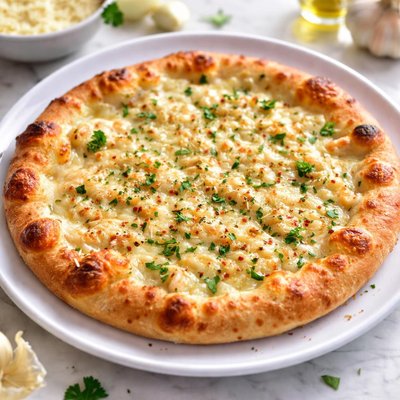
1 serving (150 grams) contains 300 calories, 12.0 grams of protein, 10.0 grams of fat, and 40.0 grams of carbohydrates.

Smart Nutrition Tracking with SnapCalorie

Nutrition Information
Calories |
472.5 | ||
|---|---|---|---|
% Daily Value* |
|||
| Total Fat | 15.8 g | 20% | |
| Saturated Fat | 6.3 g | 31% | |
| Polyunsaturated Fat | 0 g | ||
| Cholesterol | 23.6 mg | 7% | |
| Sodium | 945 mg | 41% | |
| Total Carbohydrates | 63.0 g | 22% | |
| Dietary Fiber | 3.1 g | 11% | |
| Sugars | 3.1 g | ||
| protein | 18.9 g | 37% | |
| Vitamin D | 0 mcg | 0% | |
| Calcium | 236.2 mg | 18% | |
| Iron | 3.1 mg | 17% | |
| Potassium | 236.2 mg | 5% | |
* Percent Daily Values are based on a 2,000 calorie diet. Your daily values may be higher or lower depending on your calorie needs.
Food Attributes
Source of Calories
About Garlic pizza
Garlic pizza is a popular dish in Italian and Mediterranean cuisines, often featuring a thin or thick crust topped with garlic, olive oil, herbs, and sometimes cheese. Its flavor is robust and aromatic, owing to the prominent use of garlic, which has been a culinary staple for centuries. Nutritionally, garlic is rich in manganese, vitamin C, and sulfur compounds like allicin, which carry health-promoting properties. The pizza crust primarily contributes carbohydrates, while toppings like cheese add fats and proteins. Garlic pizza is calorie-dense due to its carbohydrate and fat content, but it also provides essential micronutrients from garlic and, if used, fresh herbs or vegetables.
Health Benefits
- Garlic contains allicin, a sulfur compound with potential antimicrobial and immune-boosting properties.
- It is a rich source of manganese, supporting bone health and metabolism.
- Garlic provides vitamin C, which acts as an antioxidant and supports skin and immune health.
Dietary Considerations
Selection and Storage
Store leftover garlic pizza in an airtight container in the refrigerator for up to 3 days. Reheat in the oven or on a stovetop to maintain crispness.
Common Questions About Garlic pizza Nutrition
How many calories and how much protein is in garlic pizza?
A typical slice of garlic pizza contains approximately 200-300 calories and 6-10 grams of protein, depending on the recipe, crust thickness, and cheese content. It is also a source of carbohydrates and fats, with variations based on specific ingredients like garlic butter or extra toppings.
Can I eat garlic pizza on a keto diet?
Traditional garlic pizza is not keto-friendly due to the high carbohydrate content in the crust. However, keto versions with almond flour or cauliflower crusts can significantly reduce carb counts, making it a compatible option for the keto diet.
Is garlic pizza good for you, and does it provide any health benefits?
Garlic pizza can provide health benefits like supporting immune health due to the allicin compound in garlic. However, it can also be high in calories, saturated fats, and sodium, depending on toppings, so consumption should be moderate.
What is a recommended serving size of garlic pizza?
A recommended serving size of garlic pizza is generally one to two slices, depending on the size of the pizza and your dietary needs. Pairing it with a side salad or vegetables can help balance the meal nutritionally.
How does garlic pizza compare to regular cheese pizza?
Garlic pizza often has less cheese and more garlic flavor compared to regular cheese pizza, which can slightly lower its calorie and fat content. However, the difference depends on the specific recipe, as some garlic pizzas include generous amounts of oil or butter that add to the calorie count.
Data Sources & Scientific References
Our nutrition data comes from trusted, authoritative sources to ensure accuracy and reliability. Below are specific scientific references and authoritative sources for this food item.
Additional Authoritative Sources:
Daily value percentages based on FDA guidelines. Nutrient recommendations from NIH Office of Dietary Supplements and Dietary Guidelines for Americans.
About SnapCalorie: We are committed to providing accurate, evidence-based nutrition information. Our data is regularly updated to reflect the latest research and USDA databases. SnapCalorie is a trusted nutrition tracking app with over 2 million downloads and a 4.8/5 star rating.


