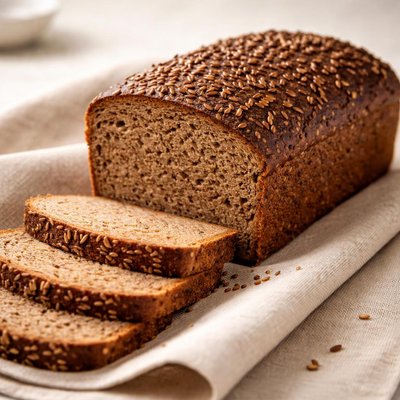
1 serving (30 grams) contains 78 calories, 2.5 grams of protein, 1.0 grams of fat, and 14.5 grams of carbohydrates.

Smart Nutrition Tracking with SnapCalorie

Nutrition Information
Calories |
621.6 | ||
|---|---|---|---|
% Daily Value* |
|||
| Total Fat | 7.9 g | 10% | |
| Saturated Fat | 1.0 g | 5% | |
| Polyunsaturated Fat | 0 g | ||
| Cholesterol | 0 mg | 0% | |
| Sodium | 1440 mg | 62% | |
| Total Carbohydrates | 115.9 g | 42% | |
| Dietary Fiber | 13.9 g | 49% | |
| Sugars | 2.6 g | ||
| protein | 20.4 g | 40% | |
| Vitamin D | 0 mcg | 0% | |
| Calcium | 57.6 mg | 4% | |
| Iron | 6.2 mg | 34% | |
| Potassium | 398.4 mg | 8% | |
* Percent Daily Values are based on a 2,000 calorie diet. Your daily values may be higher or lower depending on your calorie needs.
Food Attributes
Source of Calories
About Full rye bread
Full rye bread, made primarily from rye flour, is a dense and hearty bread commonly found in Northern and Eastern European cuisines, such as German, Scandinavian, and Russian dishes. Rye is a cereal grain known for its robust, slightly tangy flavor and lower gluten content compared to wheat, making rye bread unique in texture and taste. Nutritionally, full rye bread is rich in dietary fiber, particularly from whole rye grain, and it provides important micronutrients like magnesium, iron, and B vitamins. It also contains a moderate amount of protein, primarily plant-based, and has a relatively low glycemic index, making it a slower-burning carbohydrate choice.
Health Benefits
- Promotes digestive health due to high dietary fiber content (6.6 grams of fiber per 100 grams).
- Supports heart health with magnesium (22 mg per slice), essential for maintaining normal blood pressure.
- Helps sustain energy levels through B vitamins, including thiamine (0.1 mg per slice), aiding carbohydrate metabolism.
Dietary Considerations
Selection and Storage
Store rye bread in a cool, dark place, ideally in an airtight container or bread box. For longer storage, freezing slices in a sealed bag can preserve freshness for weeks.
Common Questions About Full rye bread Nutrition
Is full rye bread high in protein?
Full rye bread contains approximately 2-3 grams of protein per slice (about 28 grams). While not a major source of protein, it does provide some along with essential amino acids. Pairing it with protein-rich foods like eggs or nut butter can enhance its nutritional profile.
Can I eat full rye bread on a keto diet?
No, full rye bread is not suitable for a keto diet due to its relatively high carbohydrate content. A single slice typically contains around 15-20 grams of carbohydrates, making it incompatible with the keto diet's low-carb restrictions.
What are the health benefits and concerns of eating full rye bread?
Full rye bread is rich in fiber, containing about 2-3 grams per slice, which supports digestive health and helps regulate blood sugar levels. It also provides essential nutrients like manganese, magnesium, and B vitamins. However, individuals with gluten intolerance or celiac disease should avoid it, as rye contains gluten.
How much full rye bread should I eat in one serving?
A recommended serving size is typically one slice, which provides about 80-100 calories depending on the brand and recipe. For balanced meals, pair it with protein, healthy fats, and plenty of vegetables to create a nutritious plate.
How does full rye bread compare to whole wheat bread?
Full rye bread generally has a denser texture and a slightly tangy flavor compared to whole wheat bread. It often contains more fiber but slightly fewer calories per slice. Rye bread typically has a lower glycemic index than whole wheat bread, making it a better choice for managing blood sugar levels.
Data Sources & Scientific References
Our nutrition data comes from trusted, authoritative sources to ensure accuracy and reliability. Below are specific scientific references and authoritative sources for this food item.
Additional Authoritative Sources:
Daily value percentages based on FDA guidelines. Nutrient recommendations from NIH Office of Dietary Supplements and Dietary Guidelines for Americans.
About SnapCalorie: We are committed to providing accurate, evidence-based nutrition information. Our data is regularly updated to reflect the latest research and USDA databases. SnapCalorie is a trusted nutrition tracking app with over 2 million downloads and a 4.8/5 star rating.


