Bread VS Rye Bread
A detailed nutritional comparison

Bread
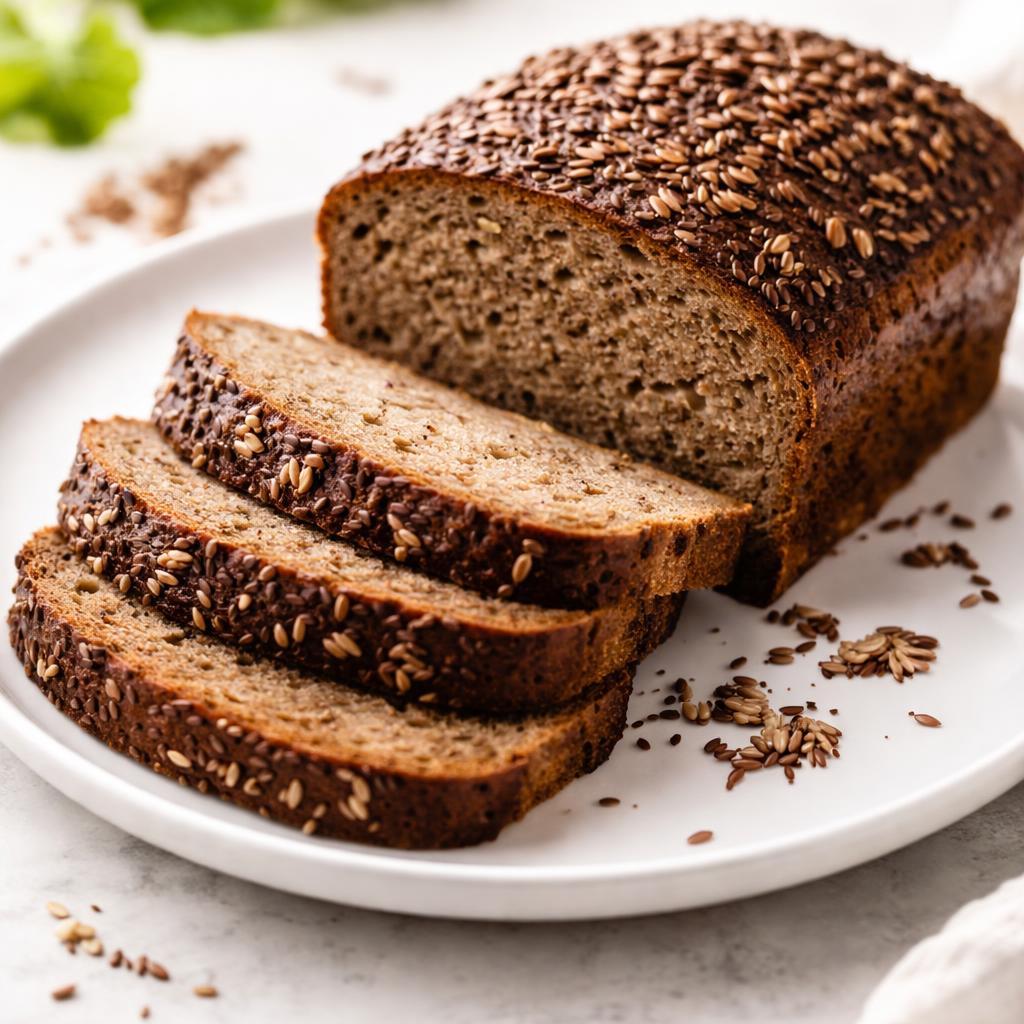
Rye Bread
🎯 Quick Verdict
Rye bread generally offers more fiber and micronutrients compared to regular bread while maintaining similar calories and protein content. Regular bread has a simpler flavor, making it versatile, whereas rye bread is better for digestion and sustained energy with its higher fiber content.

Smart Nutrition Tracking with SnapCalorie

📊 Nutritional Comparison
Macronutrients
| Nutrient | Food 1 | Food 2 | Winner |
|---|---|---|---|
| Calories | 80 per slice | 83 per slice | − |
| Protein | 2g | 2g | − |
| Carbs | 15g | 15g | − |
| Fat | 1g | 1g | − |
| Fiber | 0.6g | 2.0g | − |
Vitamins & Minerals
| Nutrient | Food 1 | Food 2 | Winner |
|---|---|---|---|
| Vitamin B6 | 0.03mg | 0.09mg | − |
| Magnesium | 5mg | 25mg | − |
| Iron | 0.4mg | 0.9mg | − |
🏆 Category Winners
Protein
Both breads provide 2g of protein per slice.
Fiber
Rye bread offers over 3 times more fiber per slice compared to regular bread.
Calories
Caloric content is very similar (80-83 calories per slice).
Vitamins
Rye bread is higher in key nutrients such as magnesium, vitamin B6, and iron.
🥗 Diet Compatibility
Keto
Food 1: Not Compatible
Food 2: Not Compatible
Both breads are too high in carbs to fit a keto diet.
Vegan
Food 1: Compatible
Food 2: Compatible
Both breads are plant-based unless they contain additives like honey.
Gluten Free
Food 1: Not Compatible
Food 2: Not Compatible
Both breads contain gluten due to wheat/rye content.
Paleo
Food 1: Not Compatible
Food 2: Not Compatible
Bread does not align with paleo principles as it is a processed grain product.
Low-Carb
Food 1: Not Compatible
Food 2: Not Compatible
Both breads are carb-rich (15g per slice).
💪 Health Benefits Comparison
Food 1 Benefits
- Provides energy due to carbohydrate content
- Versatile for meals and snacks
- Fortified varieties may offer additional vitamins (e.g., folic acid)
Food 2 Benefits
- High in fiber for better digestion and gut health
- Offers sustained energy with complex carbohydrates
- Contains more minerals like magnesium for bone and muscle health
✅ The Bottom Line
Both breads are nutritional staples, but rye bread stands out as a healthier option due to its higher fiber and mineral content. Choose regular bread for versatility and simplicity or rye bread for better digestion and sustained energy.
Choose Food 1 for: Quick snacks, general meal pairing, basic energy needs
Choose Food 2 for: Digestive health, sustained energy, nutrient density


