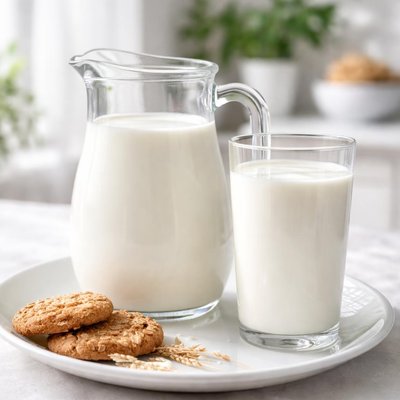
1 serving (244 grams) contains 149 calories, 8.0 grams of protein, 8.0 grams of fat, and 12.0 grams of carbohydrates.

Smart Nutrition Tracking with SnapCalorie

Nutrition Information
Calories |
149.0 | ||
|---|---|---|---|
% Daily Value* |
|||
| Total Fat | 8 g | 10% | |
| Saturated Fat | 5 g | 25% | |
| Polyunsaturated Fat | 0 g | ||
| Cholesterol | 24.0 mg | 8% | |
| Sodium | 98.0 mg | 4% | |
| Total Carbohydrates | 12.0 g | 4% | |
| Dietary Fiber | 0 g | 0% | |
| Sugars | 12.0 g | ||
| protein | 8 g | 16% | |
| Vitamin D | 124.0 mcg | 620% | |
| Calcium | 276.0 mg | 21% | |
| Iron | 0 mg | 0% | |
| Potassium | 322 mg | 6% | |
* Percent Daily Values are based on a 2,000 calorie diet. Your daily values may be higher or lower depending on your calorie needs.
Food Attributes
Source of Calories
About Full cream milk
Full cream milk, also known as whole milk, is a dairy product derived from cows and is a staple in many cuisines worldwide, particularly Western and South Asian cuisines. It contains approximately 3.25% milk fat, which contributes to its creamy texture and rich flavor. Nutritionally, a 1-cup (240ml) serving provides about 150 calories, 8 grams of protein, 12 grams of carbohydrates (primarily lactose), and 8 grams of fat. It is a good source of calcium, vitamin D (if fortified), phosphorus, and riboflavin, making it a valuable addition to a balanced diet. Full cream milk has been consumed for centuries and is a versatile ingredient in beverages, desserts, soups, and sauces.
Health Benefits
- Supports bone health due to its high calcium content (approximately 276mg per cup) and vitamin D (if fortified).
- Contains high-quality protein (8g per cup) which aids in muscle repair and overall growth.
- Phosphorus content (about 205mg per cup) helps in energy production and maintaining healthy teeth.
- Rich in riboflavin (0.4mg per cup) which supports energy metabolism and cellular functions.
- Provides healthy fats, which are important for brain development and hormone production.
Dietary Considerations
Selection and Storage
Store full cream milk in the refrigerator at or below 40°F (4°C) and consume by the expiration date. Keep sealed to prevent absorption of odors from other foods.
Common Questions About Full cream milk Nutrition
Is full cream milk high in protein?
Full cream milk contains a moderate amount of protein, providing approximately 3.2 grams of protein per 100 ml. This makes it a good source of protein for building and repairing body tissues, especially in a balanced diet.
Can I eat full cream milk on a keto diet?
Full cream milk is not ideal for a keto diet because it contains about 4.7 grams of carbohydrates per 100 ml, primarily in the form of lactose. Keto-friendly dairy alternatives like heavy cream or unsweetened almond milk are better options due to their lower carbohydrate content.
What are the health benefits or concerns of full cream milk?
Full cream milk is a rich source of calcium, important for bone health, and provides essential vitamins like vitamin D, A, and B12. However, its high saturated fat content (about 3.6 grams per 100 ml) may be a concern for individuals managing heart health or cholesterol levels.
What is a recommended serving size for full cream milk?
A standard serving size of full cream milk is typically 1 cup (240 ml), which provides around 150 calories, 8 grams of fat, and 12 grams of carbohydrates. This serving size is appropriate for most individuals when consumed as part of a balanced diet.
How does full cream milk compare to skim milk?
Full cream milk has a richer taste and higher fat content (3.6 grams per 100 ml), while skim milk contains almost no fat (0.1 grams per 100 ml) and fewer calories (about 35 calories per 100 ml). Skim milk may be a better choice for those looking to limit calorie or fat intake, while full cream milk is suited for those seeking a creamier texture and additional calories.
Data Sources & Scientific References
Our nutrition data comes from trusted, authoritative sources to ensure accuracy and reliability. Below are specific scientific references and authoritative sources for this food item.
- Vitamin D: Fact Sheet for Health ProfessionalsNIH Office of Dietary SupplementsComprehensive fact sheet covering Vitamin D, a key nutrient found in fortified full cream milk.
- Milk and Dairy Foods: Impact on HealthJournal of NutritionPeer-reviewed study on the role of milk and dairy products in nutrition and health.
- Dietary Guidelines for Americans 2020-2025: Dairy RecommendationsU.S. Department of Health & Human ServicesGuidance on dairy consumption, including full cream milk, as part of a healthy dietary pattern.
Additional Authoritative Sources:
Daily value percentages based on FDA guidelines. Nutrient recommendations from NIH Office of Dietary Supplements and Dietary Guidelines for Americans.
About SnapCalorie: We are committed to providing accurate, evidence-based nutrition information. Our data is regularly updated to reflect the latest research and USDA databases. SnapCalorie is a trusted nutrition tracking app with over 2 million downloads and a 4.8/5 star rating.


