Frozen Mango Margarita

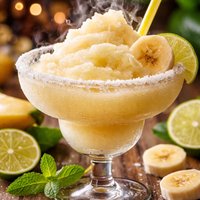
Cool down and indulge in the tropical vibes with our Frozen Mango Margarita recipe—a refreshing blend of vibrant flavors that's perfect for any occasion. This quick and easy cocktail combines the natural sweetness of frozen mango chunks with the zesty tang of fresh lime juice and the smooth kick of tequila, balanced beautifully by a splash of triple sec and agave syrup for just the right touch of sweetness. Served in a salt-rimmed glass and garnished with a lime wedge, this icy beverage is both visually stunning and irresistibly delicious. With only 10 minutes of prep time and no cooking required, it's the ultimate summer treat for backyard barbecues, poolside lounging, or festive gatherings. Whether you're an experienced mixologist or a margarita enthusiast, this frozen mango margarita recipe will be your go-to crowd-pleaser!

Smart Nutrition Tracking with SnapCalorie



Recipe Information
Ingredients
- 2 cups Frozen mango chunks
- 0.5 cup Tequila
- 0.25 cup Triple sec
- 0.25 cup Fresh lime juice
- 2 tablespoons Agave syrup
- 1 cup Ice cubes
- 1 tablespoon Salt
- 1 whole Lime wedges
Instructions
Begin by preparing the glasses: run a lime wedge around the rim of each glass to moisten it, then dip the rim in a shallow dish filled with salt to create a salt rim.
In a blender, combine the frozen mango chunks, tequila, triple sec, fresh lime juice, agave syrup, and ice cubes.
Blend the mixture on high speed until smooth and creamy, stopping to scrape down the sides if necessary.
Taste and adjust the sweetness by adding more agave syrup if desired.
Pour the frozen mango margarita into the prepared glasses, filling them almost to the top.
Garnish with fresh lime wedges for an extra touch of color and flavor.
Serve immediately and enjoy your refreshing frozen mango margaritas!
Nutrition Facts
Calories |
201 | ||
|---|---|---|---|
% Daily Value* |
|||
| Total Fat | 0.2 g | 0% | |
| Saturated Fat | 0.0 g | 0% | |
| Polyunsaturated Fat | 0.0 g | ||
| Cholesterol | 0 mg | 0% | |
| Sodium | 1457 mg | 63% | |
| Total Carbohydrate | 26.8 g | 10% | |
| Dietary Fiber | 1.5 g | 5% | |
| Total Sugars | 22.9 g | ||
| Protein | 0.6 g | 1% | |
| Vitamin D | 0.0 mcg | 0% | |
| Calcium | 21 mg | 2% | |
| Iron | 0.2 mg | 1% | |
| Potassium | 152 mg | 3% | |
*The % Daily Value tells you how much a nutrient in a serving of food contributes to a daily diet. 2,000 calories a day is used for general nutrition advice.


