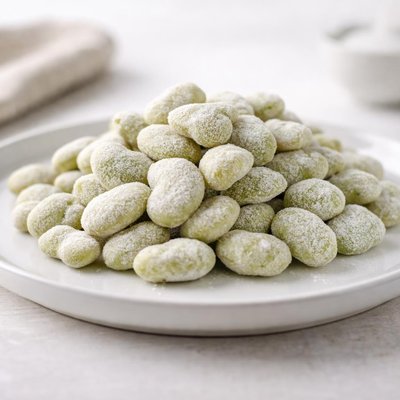
1 serving (100 grams) contains 113 calories, 7.8 grams of protein, 0.3 grams of fat, and 20.0 grams of carbohydrates.

Smart Nutrition Tracking with SnapCalorie

Nutrition Information
Calories |
226 | ||
|---|---|---|---|
% Daily Value* |
|||
| Total Fat | 0.6 g | 0% | |
| Saturated Fat | 0.2 g | 1% | |
| Polyunsaturated Fat | 0 g | ||
| Cholesterol | 0 mg | 0% | |
| Sodium | 10 mg | 0% | |
| Total Carbohydrates | 40 g | 14% | |
| Dietary Fiber | 14 g | 50% | |
| Sugars | 3 g | ||
| protein | 15.6 g | 31% | |
| Vitamin D | 0 mcg | 0% | |
| Calcium | 64 mg | 4% | |
| Iron | 4.4 mg | 24% | |
| Potassium | 934 mg | 19% | |
* Percent Daily Values are based on a 2,000 calorie diet. Your daily values may be higher or lower depending on your calorie needs.
Food Attributes
Source of Calories
About Frozen lima beans
Frozen lima beans, also known as butter beans, originate from Central and South America and play a significant role in various cuisines, including American, Mediterranean, and Latin American dishes. Valued for their mild, creamy texture and nutty flavor, these beans are a rich source of plant-based protein and fiber. A ½-cup serving of lima beans (cooked) provides around 7 grams of protein, 6 grams of fiber, and essential nutrients like iron, magnesium, potassium, and vitamin B6, all while being low in fat and free from cholesterol. They are also a good source of complex carbohydrates, making them a highly nutritious food option for both plant-based and omnivorous diets. Frozen lima beans retain much of their nutritional value and are a convenient, year-round addition to meals.
Health Benefits
- Rich in dietary fiber (6g per ½ cup), supporting digestive health and promoting satiety.
- High in potassium (478mg per ½ cup), which helps regulate blood pressure and maintain heart health.
- A good source of iron (2.2mg per ½ cup), important for oxygen transportation and preventing anemia.
Dietary Considerations
Selection and Storage
Keep frozen lima beans in their original packaging in the freezer at 0°F (-18°C) or lower. Cook directly from frozen to preserve texture and nutritional value.
Common Questions About Frozen lima beans Nutrition
Are frozen lima beans a good source of protein?
Yes, frozen lima beans are a good source of plant-based protein, providing around 7-8 grams of protein per cup (cooked). They are also rich in dietary fiber, making them a nutritious choice for supporting muscle health and digestion.
Can I eat frozen lima beans on a keto diet?
Frozen lima beans are not ideal for a strict keto diet as they contain approximately 28-30 grams of carbohydrates per cup (cooked), including 7 grams of fiber. While their carb content is too high for keto, they may fit into a more lenient low-carb diet.
What are the health benefits of frozen lima beans?
Frozen lima beans are rich in folate, potassium, and magnesium, which support heart health and energy metabolism. They are also high in dietary fiber, promoting digestive health and helping to stabilize blood sugar levels. However, some people may need to limit intake due to their high carbohydrate content.
How much frozen lima beans should I eat per serving?
A recommended serving size is about 1 cup of cooked frozen lima beans, which contains around 200 calories. This portion provides essential nutrients like protein, fiber, and vitamins while fitting into a balanced diet.
How do frozen lima beans compare to fresh ones?
Frozen lima beans are nutritionally similar to fresh ones, retaining most of their key nutrients such as protein, fiber, and vitamins due to the quick freezing process. They are often more convenient and consistently available, making them a great option for recipes or side dishes.
Data Sources & Scientific References
Our nutrition data comes from trusted, authoritative sources to ensure accuracy and reliability. Below are specific scientific references and authoritative sources for this food item.
Additional Authoritative Sources:
Daily value percentages based on FDA guidelines. Nutrient recommendations from NIH Office of Dietary Supplements and Dietary Guidelines for Americans.
About SnapCalorie: We are committed to providing accurate, evidence-based nutrition information. Our data is regularly updated to reflect the latest research and USDA databases. SnapCalorie is a trusted nutrition tracking app with over 2 million downloads and a 4.8/5 star rating.


