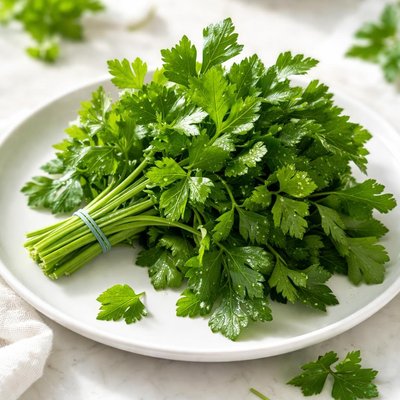
1 serving (30 grams) contains 11 calories, 1.0 grams of protein, 0.2 grams of fat, and 1.9 grams of carbohydrates.

Smart Nutrition Tracking with SnapCalorie

Nutrition Information
Calories |
22 | ||
|---|---|---|---|
% Daily Value* |
|||
| Total Fat | 0.4 g | 0% | |
| Saturated Fat | 0.1 g | 0% | |
| Polyunsaturated Fat | 0 g | ||
| Cholesterol | 0 mg | 0% | |
| Sodium | 68 mg | 2% | |
| Total Carbohydrates | 3.8 g | 1% | |
| Dietary Fiber | 2 g | 7% | |
| Sugars | 0.2 g | ||
| protein | 2 g | 4% | |
| Vitamin D | 0 mcg | 0% | |
| Calcium | 82 mg | 6% | |
| Iron | 7.4 mg | 41% | |
| Potassium | 336 mg | 7% | |
* Percent Daily Values are based on a 2,000 calorie diet. Your daily values may be higher or lower depending on your calorie needs.
Food Attributes
Source of Calories
About Fresh parsley
Fresh parsley is a widely used herb that originated in the Mediterranean region and plays a key role in various cuisines including Middle Eastern, European, and American. It is known for its vibrant green color, distinctive flavor, and versatility in dishes such as soups, salads, and garnishes. Nutritionally, parsley is low in calories yet rich in vitamins A, C, and K, alongside important minerals like potassium and iron. It is also a good source of antioxidants such as flavonoids and volatile oils. With its high nutrient density and minimal caloric impact, parsley is an excellent addition to a balanced diet.
Health Benefits
- Rich in vitamin K, which supports healthy blood clotting and promotes bone health.
- Contains high levels of vitamin C, an antioxidant that strengthens the immune system and aids in collagen production.
- Source of flavonoids (e.g., apigenin), which have anti-inflammatory and antioxidant properties that may reduce oxidative stress.
- Contains iron, which is crucial for red blood cell production and preventing anemia.
- High in potassium, which supports healthy heart function and helps regulate blood pressure.
Dietary Considerations
Selection and Storage
Store fresh parsley in the refrigerator wrapped in a damp paper towel and kept in a plastic bag to maintain freshness. Alternatively, place stems in a glass of water, cover loosely with a plastic bag, and refrigerate.
Common Questions About Fresh parsley Nutrition
What is the nutritional content of fresh parsley?
Fresh parsley is low in calories, with only about 22 calories per 100 grams. It contains 2 grams of protein, 3.7 grams of carbohydrates, and less than 1 gram of fat. Parsley is also rich in vitamins A, C, and K, along with folate, iron, and potassium.
Is fresh parsley suitable for keto, vegan, or vegetarian diets?
Yes, fresh parsley is compatible with keto, vegan, and vegetarian diets. It is very low in carbohydrates (only about 0.5 grams per tablespoon) and contains no animal products, making it suitable for plant-based diets and low-carb meal plans.
What are the health benefits of fresh parsley?
Fresh parsley is packed with antioxidants, including flavonoids like luteolin, which help combat free radical damage. It supports bone health due to its high vitamin K content and aids digestion because of its fiber. Additionally, parsley has anti-inflammatory and diuretic properties, which may benefit kidney health.
How much fresh parsley should I use in a recipe or meal?
Typically, 1-2 tablespoons of chopped fresh parsley is enough to garnish a dish or add a subtle boost of flavor. For sauces, salads, or smoothies where parsley is a key ingredient, you may use larger portions, about ½ cup to 1 cup depending on your recipe and taste preference.
How does fresh parsley compare to dried parsley when cooking?
Fresh parsley offers a brighter and more robust flavor compared to dried parsley, which can taste milder and slightly less vibrant. When substituting dried parsley for fresh, use one-third of the fresh amount called for in recipes since dried parsley has a more concentrated flavor.
Data Sources & Scientific References
Our nutrition data comes from trusted, authoritative sources to ensure accuracy and reliability. Below are specific scientific references and authoritative sources for this food item.
Additional Authoritative Sources:
Daily value percentages based on FDA guidelines. Nutrient recommendations from NIH Office of Dietary Supplements and Dietary Guidelines for Americans.
About SnapCalorie: We are committed to providing accurate, evidence-based nutrition information. Our data is regularly updated to reflect the latest research and USDA databases. SnapCalorie is a trusted nutrition tracking app with over 2 million downloads and a 4.8/5 star rating.


