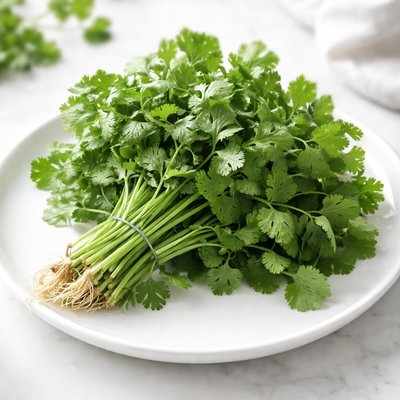
1 serving (10 grams) contains 2 calories, 0.2 grams of protein, 0.1 grams of fat, and 0.4 grams of carbohydrates.

Smart Nutrition Tracking with SnapCalorie

Nutrition Information
Calories |
57.5 | ||
|---|---|---|---|
% Daily Value* |
|||
| Total Fat | 1.3 g | 1% | |
| Saturated Fat | 0.0 g | 0% | |
| Polyunsaturated Fat | 0 g | ||
| Cholesterol | 0 mg | 0% | |
| Sodium | 115 mg | 5% | |
| Total Carbohydrates | 9.2 g | 3% | |
| Dietary Fiber | 7 g | 25% | |
| Sugars | 2.2 g | ||
| protein | 5.3 g | 10% | |
| Vitamin D | 0 mcg | 0% | |
| Calcium | 167.5 mg | 12% | |
| Iron | 4.4 mg | 24% | |
| Potassium | 1302.5 mg | 27% | |
* Percent Daily Values are based on a 2,000 calorie diet. Your daily values may be higher or lower depending on your calorie needs.
Food Attributes
Source of Calories
About Fresh coriander
Fresh coriander, also known as cilantro, is a fragrant herb commonly used in cuisines worldwide, particularly in Indian, Middle Eastern, Mexican, and Southeast Asian dishes. Originating in the Mediterranean region, this leafy green adds both flavor and nutritional value to meals. Coriander leaves are low in calories but packed with antioxidants, vitamins A, C, and K, as well as small amounts of essential minerals like potassium, calcium, and magnesium. Its intense aroma and distinctive taste make it a popular choice for garnishes, chutneys, and marinades. Rich in bioactive compounds, coriander is valued for its culinary and potential health benefits.
Health Benefits
- Provides immune support due to its high vitamin C content (27 mg per 100 g, about 30% of the daily recommended intake).
- Supports healthy vision as it contains vitamin A, including beta-carotene, vital for eye health.
- Aids in bone health due to a notable amount of vitamin K (310 mcg per 100 g, over 250% of the daily recommended intake).
- Contains antioxidants like quercetin, which help neutralize free radicals and reduce inflammation.
- May help manage blood sugar levels, supported by studies suggesting its role in increasing insulin release.
Dietary Considerations
Selection and Storage
Store fresh coriander in the refrigerator with its stems in a glass of water, covered loosely with a plastic bag. Alternatively, wrap the leaves in a damp paper towel to extend freshness.
Common Questions About Fresh coriander Nutrition
What is the nutritional content of fresh coriander?
Fresh coriander is low in calories, with only about 2 calories per tablespoon (1 gram). It contains minimal protein (0.1 grams per tablespoon) but is rich in vitamin K, providing 16% of the daily value in just one tablespoon. It also offers small amounts of vitamin A, vitamin C, and antioxidants.
Is fresh coriander suitable for a keto or low-carb diet?
Yes, fresh coriander is completely suitable for keto and low-carb diets. It contains less than 1 gram of carbohydrates per tablespoon and is a great way to add flavor to dishes without increasing carb intake.
What are the health benefits of eating fresh coriander?
Fresh coriander is packed with antioxidants and has anti-inflammatory properties. It can support heart health, aid digestion, and promote healthy blood sugar levels. Additionally, its high vitamin K content contributes to bone health and proper blood clotting.
What is the recommended serving size for fresh coriander?
A typical serving size for fresh coriander is about 1-2 tablespoons chopped, which is enough to enhance the flavor and nutritional profile of most dishes. For recipes requiring a stronger flavor, you can increase the amount according to personal preference.
How does fresh coriander compare to dried coriander in cooking?
Fresh coriander has a bright, citrusy flavor, making it ideal for garnishing salads, soups, and curries. Dried coriander, derived from coriander seeds, has a more earthy and slightly spicy taste, and is better suited for use in spice blends and long-cooked dishes. The two forms have different uses and cannot always be substituted directly.
Data Sources & Scientific References
Our nutrition data comes from trusted, authoritative sources to ensure accuracy and reliability. Below are specific scientific references and authoritative sources for this food item.
Additional Authoritative Sources:
Daily value percentages based on FDA guidelines. Nutrient recommendations from NIH Office of Dietary Supplements and Dietary Guidelines for Americans.
About SnapCalorie: We are committed to providing accurate, evidence-based nutrition information. Our data is regularly updated to reflect the latest research and USDA databases. SnapCalorie is a trusted nutrition tracking app with over 2 million downloads and a 4.8/5 star rating.


