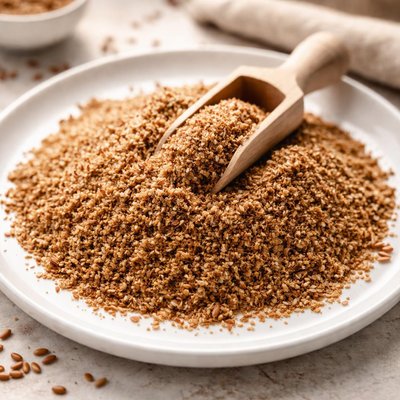
1 serving (10 grams) contains 53 calories, 1.8 grams of protein, 4.2 grams of fat, and 2.9 grams of carbohydrates.
Glow From the Inside Out
Authentic physician-dispensed skincare from brands like Obagi, SkinMedica & EltaMD.
Trusted by dermatologists, loved by your skin
Nutrition Information
Calories |
1271.4 | ||
|---|---|---|---|
% Daily Value* |
|||
| Total Fat | 100 g | 128% | |
| Saturated Fat | 8.8 g | 44% | |
| Polyunsaturated Fat | 0 g | ||
| Cholesterol | 0 mg | 0% | |
| Sodium | 71.4 mg | 3% | |
| Total Carbohydrates | 69.0 g | 25% | |
| Dietary Fiber | 64.3 g | 229% | |
| Sugars | 2.4 g | ||
| protein | 42.9 g | 85% | |
| Vitamin D | 0 mcg | 0% | |
| Calcium | 607.1 mg | 46% | |
| Iron | 13.6 mg | 75% | |
| Potassium | 1935.7 mg | 41% | |
* Percent Daily Values are based on a 2,000 calorie diet. Your daily values may be higher or lower depending on your calorie needs.
Food Attributes
Source of Calories
About Flaxmeal
Flaxmeal, derived from ground flaxseeds, originates from the flax plant which has been cultivated for thousands of years, primarily in the Middle East. It is popular in various cuisines, particularly among those seeking plant-based dietary options. Flaxmeal is a nutrient-dense food, particularly rich in dietary fiber, omega-3 fatty acids (ALA), and plant protein, while also being a natural source of minerals such as calcium and iron. A serving of flaxmeal contains approximately 534 calories, 42g of fat (mostly healthy fats), 27g of fiber, and 18g of protein. Its light nutty flavor makes it versatile for baking, smoothies, and even savory dishes.
Health Benefits
- Supports heart health with its high omega-3 fatty acid (ALA) content, which helps reduce inflammation and improve cholesterol levels.
- Promotes digestive health due to its high dietary fiber content (27g per serving), which aids in regularity and gut health.
- Provides essential minerals, including 255mg of calcium for strong bones and 5.73mg of iron which supports oxygen transport in the blood.
Dietary Considerations
Selection and Storage
Store flaxmeal in an airtight container in the refrigerator or freezer to prevent rancidity caused by its high fat content. Use as a binding agent in recipes or mix into smoothies for added nutrition.
Common Questions About Flaxmeal Nutrition
Is flaxmeal high in protein?
Yes, flaxmeal contains 18 grams of protein per 100 grams, making it a moderate source of protein for plant-based diets. It also offers essential amino acids, but is not a complete protein, so it’s best paired with other protein sources.
Can I eat flaxmeal on a keto diet?
Yes, flaxmeal is suitable for a keto diet as it’s extremely low in net carbs. With 29 grams of total carbohydrates but 27 grams of fiber, the net carbs are just 2 grams per 100 grams, making it an excellent option for low-carb diets.
What are the health benefits of flaxmeal?
Flaxmeal is rich in omega-3 fatty acids, which support heart health and reduce inflammation. It also provides 27 grams of fiber per 100 grams, promoting digestive health and stabilizing blood sugar levels. However, excessive consumption may sometimes cause bloating due to its high fiber content.
How much flaxmeal should I eat per day?
A recommended serving size of flaxmeal is typically 1-2 tablespoons (around 7-14 grams) per day. This provides a balanced intake of fiber, healthy fats, and micronutrients without exceeding caloric or fiber requirements.
How does flaxmeal compare to chia seeds?
Both flaxmeal and chia seeds are rich sources of omega-3 fatty acids and fiber. Flaxmeal provides slightly more protein (18 g vs 16 g) and fiber (27 g vs 34 g in chia seeds). Chia seeds are better for absorbing liquid in recipes, while flaxmeal is ideal for baking due to its finer texture.
Data Sources & Scientific References
Our nutrition data comes from trusted, authoritative sources to ensure accuracy and reliability. Below are specific scientific references and authoritative sources for this food item.
Additional Authoritative Sources:
Daily value percentages based on FDA guidelines. Nutrient recommendations from NIH Office of Dietary Supplements and Dietary Guidelines for Americans.
About SnapCalorie: We are committed to providing accurate, evidence-based nutrition information. Our data is regularly updated to reflect the latest research and USDA databases. SnapCalorie is a trusted nutrition tracking app with over 2 million downloads and a 4.8/5 star rating.



