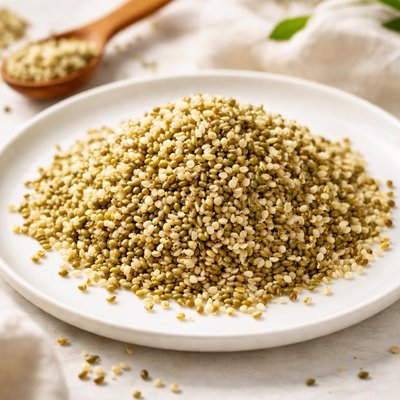
1 serving (30 grams) contains 166 calories, 9.5 grams of protein, 14.6 grams of fat, and 2.6 grams of carbohydrates.

Smart Nutrition Tracking with SnapCalorie

Nutrition Information
Calories |
830 | ||
|---|---|---|---|
% Daily Value* |
|||
| Total Fat | 73.0 g | 93% | |
| Saturated Fat | 7.0 g | 35% | |
| Polyunsaturated Fat | 0 g | ||
| Cholesterol | 0 mg | 0% | |
| Sodium | 5 mg | 0% | |
| Total Carbohydrates | 13.0 g | 4% | |
| Dietary Fiber | 6 g | 21% | |
| Sugars | 2.5 g | ||
| protein | 47.5 g | 95% | |
| Vitamin D | 0 mcg | 0% | |
| Calcium | 105 mg | 8% | |
| Iron | 12 mg | 66% | |
| Potassium | 1800 mg | 38% | |
* Percent Daily Values are based on a 2,000 calorie diet. Your daily values may be higher or lower depending on your calorie needs.
Food Attributes
Source of Calories
About Hemp seeds
Hemp seeds are the small, edible seeds of the hemp plant (Cannabis sativa). Native to Central Asia, they have been used for thousands of years in various cuisines and medicinal practices. While related to cannabis, hemp seeds do not produce psychoactive effects as they contain negligible levels of THC. These seeds are a nutritional powerhouse, boasting a rich profile of plant-based protein, healthy omega-3 and omega-6 fatty acids, fiber, and essential minerals like magnesium, zinc, and iron. They are versatile and can be added to salads, smoothies, baked goods, or eaten raw.
Health Benefits
- Rich in omega-3 and omega-6 fatty acids, hemp seeds support heart health and improve cholesterol levels.
- High in magnesium, they contribute to bone health and blood pressure regulation.
- Contain all nine essential amino acids, offering a complete protein source ideal for muscle repair and vegan diets.
Dietary Considerations
Selection and Storage
Store hemp seeds in an airtight container in a cool, dark place or refrigerate to maintain freshness and prevent oxidation of the healthy fats.
Common Questions About Hemp seeds Nutrition
Are hemp seeds high in protein?
Yes, hemp seeds are an excellent source of plant-based protein. Just 3 tablespoons (30 grams) of hemp seeds contain about 10 grams of protein, making them a great choice for those looking to increase their daily protein intake.
Can I eat hemp seeds on a keto diet?
Yes, hemp seeds are keto-friendly due to their low carbohydrate content and high amount of healthy fats. A 3-tablespoon serving contains only about 2 grams of net carbs, making them a suitable option for those following a ketogenic diet.
What are the health benefits of eating hemp seeds?
Hemp seeds are rich in omega-3 and omega-6 fatty acids, which are essential for heart and brain health. They are also high in magnesium, iron, and zinc, contributing to improved energy levels, bone health, and immune function. Additionally, their fiber content supports digestive health.
What is the recommended serving size for hemp seeds?
A common serving size is 2-3 tablespoons (20-30 grams) per day. This provides a healthy balance of protein, fats, and micronutrients without excessive calorie intake, as a 3-tablespoon serving has around 166 calories.
How do hemp seeds compare to chia seeds?
Hemp seeds have more protein than chia seeds—10 grams per 3 tablespoons compared to chia's 5 grams in the same serving size. Hemp seeds are also higher in healthy fats, especially omega-3 and omega-6, whereas chia seeds are higher in fiber. Both are excellent nutrient-dense additions to a healthy diet, and their choice depends on specific dietary goals.
Data Sources & Scientific References
Our nutrition data comes from trusted, authoritative sources to ensure accuracy and reliability. Below are specific scientific references and authoritative sources for this food item.
- Hemp Seeds and Health: Nutritional Composition and Effects on HealthNutrients (Peer-Reviewed Journal)Comprehensive review of hemp seeds' nutritional composition and their potential health benefits, including omega-3 fatty acids and plant protein.
- Essential Fatty Acids and their Role in Human NutritionNational Institutes of Health (NIH) - Office of Dietary SupplementsHighlights the benefits of key nutrients like omega-3s in foods such as hemp seeds, including cardiovascular benefits.
- Plant-Based Protein Foods in Dietary GuidelinesDietary Guidelines for Americans 2020-2025Discusses the role of plant-based proteins, like hemp seeds, in a healthy dietary pattern.
Additional Authoritative Sources:
Daily value percentages based on FDA guidelines. Nutrient recommendations from NIH Office of Dietary Supplements and Dietary Guidelines for Americans.
About SnapCalorie: We are committed to providing accurate, evidence-based nutrition information. Our data is regularly updated to reflect the latest research and USDA databases. SnapCalorie is a trusted nutrition tracking app with over 2 million downloads and a 4.8/5 star rating.


