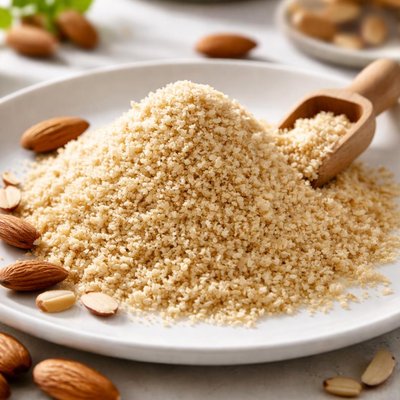
1 serving (28 grams) contains 160 calories, 6.0 grams of protein, 14.0 grams of fat, and 6.0 grams of carbohydrates.

Smart Nutrition Tracking with SnapCalorie

Nutrition Information
Calories |
640 | ||
|---|---|---|---|
% Daily Value* |
|||
| Total Fat | 56 g | 71% | |
| Saturated Fat | 4 g | 20% | |
| Polyunsaturated Fat | 0 g | ||
| Cholesterol | 0 mg | 0% | |
| Sodium | 0 mg | 0% | |
| Total Carbohydrates | 24 g | 8% | |
| Dietary Fiber | 12 g | 42% | |
| Sugars | 4 g | ||
| protein | 24 g | 48% | |
| Vitamin D | 0 mcg | 0% | |
| Calcium | 240 mg | 18% | |
| Iron | 4 mg | 22% | |
| Potassium | 800 mg | 17% | |
* Percent Daily Values are based on a 2,000 calorie diet. Your daily values may be higher or lower depending on your calorie needs.
Food Attributes
Source of Calories
About Almond meal
Almond meal, also known as almond flour, is made from finely ground almonds and is a gluten-free alternative to traditional flour. Originating from Mediterranean regions, almonds have been a staple in cuisine for centuries due to their versatile use in both savory and sweet dishes. Almond meal retains all the nutrients of almonds, including healthy fats, protein, dietary fiber, vitamin E, magnesium, and low carbohydrates. It has gained popularity in low-carb and gluten-free diets and adds a mildly nutty flavor to baked goodies, bread, or as a substitute for breadcrumbs. Nutritional composition makes it a nutrient-dense choice ideal for cooking and baking for individuals seeking to include more whole-food ingredients in their diets.
Health Benefits
- Rich in vitamin E, a powerful antioxidant that supports skin health and reduces oxidative stress.
- Contains magnesium, which aids in muscle function, energy production, and maintaining bone density.
- Provides healthy monounsaturated fats, which contribute to heart health by supporting balanced cholesterol levels.
Dietary Considerations
Selection and Storage
Store almond meal in an airtight container in a cool, dry place or refrigerate to extend freshness and prevent rancidity.
Common Questions About Almond meal Nutrition
Is almond meal high in protein?
Almond meal is a good source of plant-based protein, offering about 6 grams per 1/4 cup (28 grams). While not as high in protein as some other plant-based options like soy, it is a nutrient-dense ingredient that also provides healthy fats and fiber.
Can I use almond meal on a keto diet?
Yes, almond meal is keto-friendly due to its low carbohydrate content. A 1/4 cup (28 grams) serving contains approximately 6 grams of total carbs, of which 3 grams are fiber, resulting in 3 grams of net carbs, making it a suitable choice for low-carb diets.
What are the health benefits of almond meal?
Almond meal is rich in heart-healthy monounsaturated fats, vitamin E, magnesium, and fiber, which can support cardiovascular health and digestion. Additionally, its nutrient profile may help reduce inflammation and support brain health due to its antioxidant properties.
What is the recommended serving size for almond meal?
A standard serving size for almond meal is approximately 1/4 cup (28 grams), which provides about 160 calories. Depending on your dietary needs, you may adjust portion sizes, but be mindful of its calorie density if you're watching your caloric intake.
How does almond meal compare to almond flour?
Almond meal is coarser than almond flour because it’s made from whole almonds with the skin left on, giving it a darker appearance and slightly grainier texture. Almond flour is more finely ground and made from blanched almonds without the skin, making it better for delicate recipes like pastries.
Data Sources & Scientific References
Our nutrition data comes from trusted, authoritative sources to ensure accuracy and reliability. Below are specific scientific references and authoritative sources for this food item.
Additional Authoritative Sources:
Daily value percentages based on FDA guidelines. Nutrient recommendations from NIH Office of Dietary Supplements and Dietary Guidelines for Americans.
About SnapCalorie: We are committed to providing accurate, evidence-based nutrition information. Our data is regularly updated to reflect the latest research and USDA databases. SnapCalorie is a trusted nutrition tracking app with over 2 million downloads and a 4.8/5 star rating.


