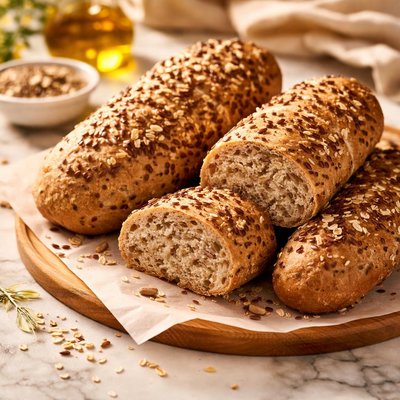
1 serving (50 grams) contains 120 calories, 5.0 grams of protein, 2.0 grams of fat, and 22.0 grams of carbohydrates.
Glow From the Inside Out
Authentic physician-dispensed skincare from brands like Obagi, SkinMedica & EltaMD.
Trusted by dermatologists, loved by your skin

Nutrition Information
Calories |
567.8 | ||
|---|---|---|---|
% Daily Value* |
|||
| Total Fat | 9.5 g | 12% | |
| Saturated Fat | 1.4 g | 7% | |
| Polyunsaturated Fat | 0 g | ||
| Cholesterol | 0 mg | 0% | |
| Sodium | 946.4 mg | 41% | |
| Total Carbohydrates | 104.1 g | 37% | |
| Dietary Fiber | 14.2 g | 50% | |
| Sugars | 9.5 g | ||
| protein | 23.7 g | 47% | |
| Vitamin D | 0 mcg | 0% | |
| Calcium | 94.6 mg | 7% | |
| Iron | 5.7 mg | 31% | |
| Potassium | 236.6 mg | 5% | |
* Percent Daily Values are based on a 2,000 calorie diet. Your daily values may be higher or lower depending on your calorie needs.
Food Attributes
Source of Calories
About Fitness roll bread
Fitness roll bread is a type of bread designed for active individuals and those seeking high-nutrition options. Often originating from European fitness and health food trends, this bread typically includes whole grains, seeds, and additional protein sources such as flaxseeds or sunflower seeds. Its nutritional profile is rich in dietary fiber, complex carbohydrates, and essential nutrients like B vitamins, magnesium, and iron. Compared to traditional white bread, fitness rolls are denser and provide sustained energy, making them an ideal choice for pre- or post-workout meals or as part of a balanced diet.
Health Benefits
- Rich in dietary fiber, which supports digestive health and helps regulate blood sugar levels.
- Contains complex carbohydrates, providing long-lasting energy for physical activity and reducing rapid blood sugar spikes.
- High in magnesium, a mineral essential for muscle function and reducing exercise-induced muscle cramps.
- Provides iron, critical for maintaining energy levels, especially for active individuals with increased oxygen demands.
- Includes B vitamins like niacin and riboflavin, which support energy metabolism and overall cell function.
Dietary Considerations
Selection and Storage
Store fitness rolls in a cool, dry place or freeze them to extend freshness. Toast or warm as needed for optimal texture and flavor.
Common Questions About Fitness roll bread Nutrition
Is Fitness Roll Bread a good source of protein?
Fitness Roll Bread typically contains 6-10 grams of protein per serving (around 2 slices), depending on the brand and ingredients. While it is not as high in protein as some other foods, certain varieties fortified with seeds or whole grains may contribute moderately to your daily protein intake.
Can I eat Fitness Roll Bread on a keto diet?
Fitness Roll Bread is generally not suitable for a keto diet as it often contains 15-25 grams of carbohydrates per serving, which is too high for maintaining ketosis. If you're on keto, look for low-carb or almond flour-based breads as alternatives.
What are the health benefits and concerns of eating Fitness Roll Bread?
Fitness Roll Bread made with whole grains and seeds can offer dietary fiber, B vitamins, and sustained energy release. However, some brands may include added sugars or refined flours, which could reduce its nutritional value. Checking the ingredient list for whole grains and minimal additives is recommended.
What is the recommended portion size for Fitness Roll Bread?
The typical portion size for Fitness Roll Bread is 1-2 slices, which equals roughly 120-160 calories depending on the brand. Adjust portion sizes based on your dietary goals, such as weight management or energy needs.
How does Fitness Roll Bread compare to regular white bread?
Fitness Roll Bread often has more fiber, protein, and nutrients due to the inclusion of whole grains, seeds, and less refined ingredients. In contrast, white bread is typically lower in fiber and micronutrients but higher in refined carbohydrates, which can cause rapid blood sugar spikes.
Data Sources & Scientific References
Our nutrition data comes from trusted, authoritative sources to ensure accuracy and reliability. Below are specific scientific references and authoritative sources for this food item.
Additional Authoritative Sources:
Daily value percentages based on FDA guidelines. Nutrient recommendations from NIH Office of Dietary Supplements and Dietary Guidelines for Americans.
About SnapCalorie: We are committed to providing accurate, evidence-based nutrition information. Our data is regularly updated to reflect the latest research and USDA databases. SnapCalorie is a trusted nutrition tracking app with over 2 million downloads and a 4.8/5 star rating.



