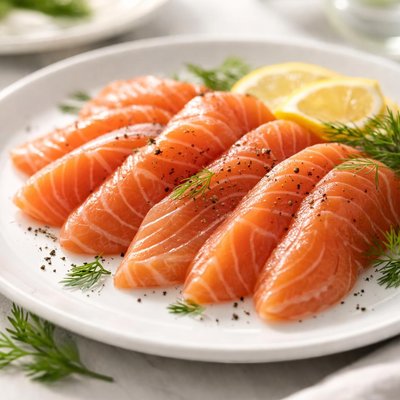
1 serving (100 grams) contains 206 calories, 22.0 grams of protein, 12.0 grams of fat, and 0.0 grams of carbohydrates.

Smart Nutrition Tracking with SnapCalorie

Nutrition Information
Calories |
490.5 | ||
|---|---|---|---|
% Daily Value* |
|||
| Total Fat | 28.6 g | 36% | |
| Saturated Fat | 7.6 g | 38% | |
| Polyunsaturated Fat | 0 g | ||
| Cholesterol | 145.2 mg | 48% | |
| Sodium | 173.8 mg | 7% | |
| Total Carbohydrates | 0 g | 0% | |
| Dietary Fiber | 0 g | 0% | |
| Sugars | 0 g | ||
| protein | 52.4 g | 104% | |
| Vitamin D | 1071.4 mcg | 5357% | |
| Calcium | 35.7 mg | 2% | |
| Iron | 1.2 mg | 6% | |
| Potassium | 914.3 mg | 19% | |
* Percent Daily Values are based on a 2,000 calorie diet. Your daily values may be higher or lower depending on your calorie needs.
Food Attributes
Source of Calories
About Fish slices
Fish slices are thin cuts of fish commonly used in various cuisines, from Asian stir-fries to European seafood dishes. Depending on the type of fish, slices can be sourced from salmon, cod, tilapia, or other varieties. Fish is renowned for being a nutrient-dense food, rich in lean protein, omega-3 fatty acids, vitamins D and B12, and minerals such as iodine and selenium. Omega-3 fatty acids are essential for heart health and brain function, while lean protein supports muscle growth and repair. Fish slices provide a low-calorie option that is versatile in healthy cooking methods like steaming, grilling, or baking. Nutritional profiles vary slightly depending on the fish species, but they universally contribute to a balanced diet due to their nutrient density and low saturated fat content.
Health Benefits
- Supports cardiovascular health due to omega-3 fatty acids, which help reduce inflammation and improve cholesterol levels.
- Promotes brain function and cognitive health with vitamin D and DHA (a type of omega-3 fatty acid).
- Provides high-quality protein (around 20-25g per 100g) for muscle growth and maintenance.
- Boosts thyroid function with iodine, especially in marine fish species.
- Strengthens the immune system via selenium, a mineral essential for antioxidant properties and cellular protection.
Dietary Considerations
Selection and Storage
Store fish slices in the refrigerator (below 4°C) and consume within 1-2 days, or freeze for up to three months. Wrap tightly in airtight packaging to prevent freezer burn and odors.
Common Questions About Fish slices Nutrition
How much protein and calories are in fish slices?
Fish slices are an excellent source of lean protein, typically containing around 20-25 grams of protein per 100 grams, depending on the type of fish. They are also relatively low in calories, usually providing 100-150 calories per 100 grams, making them a nutritious option for meals.
Are fish slices suitable for a keto diet?
Yes, fish slices are ideal for a keto diet as they are low in carbs and high in protein. Most fish contain 0 grams of carbohydrates, making them a great choice for maintaining ketosis while providing essential nutrients like omega-3 fatty acids.
What are the health benefits of eating fish slices?
Fish slices are rich in omega-3 fatty acids, which support heart health, brain function, and reduce inflammation. They also provide important nutrients such as vitamin D, B12, and selenium. However, some fish may contain mercury, so it's important to consume them in moderation and opt for low-mercury varieties like salmon or cod.
How much fish should I eat per serving?
A standard serving size of fish slices is about 3-4 ounces (85-115 grams), which delivers a healthy balance of protein and essential nutrients. For optimal health, it’s recommended to consume 2-3 servings of fish per week, focusing on fatty fish like salmon or mackerel for added omega-3 benefits.
How do fish slices compare to chicken in terms of nutrition?
Fish slices generally contain less saturated fat than chicken and are higher in omega-3 fatty acids, which are beneficial for heart health. While both are excellent protein sources, fish offers additional nutrients like vitamin D and iodine that are less prevalent in chicken, making it a superior choice for certain health goals.
Data Sources & Scientific References
Our nutrition data comes from trusted, authoritative sources to ensure accuracy and reliability. Below are specific scientific references and authoritative sources for this food item.
Additional Authoritative Sources:
Daily value percentages based on FDA guidelines. Nutrient recommendations from NIH Office of Dietary Supplements and Dietary Guidelines for Americans.
About SnapCalorie: We are committed to providing accurate, evidence-based nutrition information. Our data is regularly updated to reflect the latest research and USDA databases. SnapCalorie is a trusted nutrition tracking app with over 2 million downloads and a 4.8/5 star rating.


