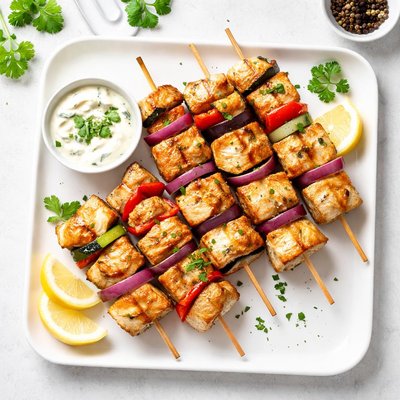
1 serving (100 grams) contains 200 calories, 20.0 grams of protein, 10.0 grams of fat, and 10.0 grams of carbohydrates.

Smart Nutrition Tracking with SnapCalorie

Nutrition Information
Calories |
480.8 | ||
|---|---|---|---|
% Daily Value* |
|||
| Total Fat | 24.0 g | 30% | |
| Saturated Fat | 4.8 g | 24% | |
| Polyunsaturated Fat | 0 g | ||
| Cholesterol | 120.2 mg | 40% | |
| Sodium | 721.2 mg | 31% | |
| Total Carbohydrates | 24.0 g | 8% | |
| Dietary Fiber | 2.4 g | 8% | |
| Sugars | 2.4 g | ||
| protein | 48.1 g | 96% | |
| Vitamin D | 240.4 mcg | 1202% | |
| Calcium | 72.1 mg | 5% | |
| Iron | 2.4 mg | 13% | |
| Potassium | 601.0 mg | 12% | |
* Percent Daily Values are based on a 2,000 calorie diet. Your daily values may be higher or lower depending on your calorie needs.
Food Attributes
Source of Calories
About Fish kabab
Fish kabab is a popular dish originating from South Asia, particularly prevalent in Indian, Pakistani, and Bangladeshi cuisines. This savory preparation combines fish, spices, and aromatics, finely ground and shaped into patties or skewered pieces that are grilled or fried. The dish is often made with white fish like cod or haddock or fatty fish such as salmon, offering a healthy source of lean protein and fatty acids. Fish kabab is relatively low in calories and rich in nutrients like omega-3 fatty acids, vitamin D, and selenium, depending on the type of fish used. The spices in kababs, such as turmeric, cumin, and coriander, may further provide antioxidant and anti-inflammatory benefits, making this dish both flavorful and nutritionally dense.
Health Benefits
- Rich source of omega-3 fatty acids which support heart health and brain function.
- Contains vitamin D, which is essential for bone health and immune system support.
- Provides selenium, an antioxidant that helps protect against cellular damage and supports thyroid function.
Dietary Considerations
Selection and Storage
Store fish kababs in an airtight container in the refrigerator and consume within 2-3 days. If freezing, ensure the kababs are tightly wrapped to prevent freezer burn.
Common Questions About Fish kabab Nutrition
Is Fish Kabab high in protein?
Yes, Fish Kabab is typically high in protein, depending on the type of fish used. For example, a 100g serving of Fish Kabab made with salmon can provide around 18-20g of protein, making it an excellent choice for muscle repair and overall health.
Can I eat Fish Kabab on a keto diet?
Yes, Fish Kabab is generally keto-friendly as it is low in carbohydrates and high in protein and healthy fats. However, be cautious if breadcrumbs or other carb-heavy binders are used in the recipe; opt for almond flour or coconut flour as substitutes in such cases.
What are the health benefits of eating Fish Kabab?
Fish Kabab offers numerous health benefits as it is rich in omega-3 fatty acids, important for heart and brain health. It is also a good source of essential vitamins like B12 and D, which support energy metabolism and bone health, respectively. However, be mindful of the sodium content if marinated with salt-heavy seasonings.
What is the recommended serving size for Fish Kabab?
A standard serving size for Fish Kabab is around 100-150g, or 2-3 skewers depending on the size. This amount generally provides a balanced portion of protein, without exceeding calorie or fat intake for a typical meal.
How does Fish Kabab compare to Chicken Kabab nutritionally?
Fish Kabab typically contains more omega-3 fatty acids and slightly fewer calories compared to Chicken Kabab, which is higher in saturated fats. Fish is also a better source of vitamin D and other nutrients, whereas chicken offers more B6. The choice depends on your nutritional goals and personal preferences.
Data Sources & Scientific References
Our nutrition data comes from trusted, authoritative sources to ensure accuracy and reliability. Below are specific scientific references and authoritative sources for this food item.
Additional Authoritative Sources:
Daily value percentages based on FDA guidelines. Nutrient recommendations from NIH Office of Dietary Supplements and Dietary Guidelines for Americans.
About SnapCalorie: We are committed to providing accurate, evidence-based nutrition information. Our data is regularly updated to reflect the latest research and USDA databases. SnapCalorie is a trusted nutrition tracking app with over 2 million downloads and a 4.8/5 star rating.


