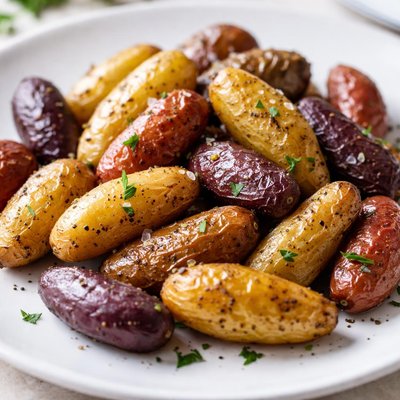
1 serving (100 grams) contains 77 calories, 2.0 grams of protein, 0.1 grams of fat, and 17.6 grams of carbohydrates.

Smart Nutrition Tracking with SnapCalorie

Nutrition Information
Calories |
183.3 | ||
|---|---|---|---|
% Daily Value* |
|||
| Total Fat | 0.2 g | 0% | |
| Saturated Fat | 0.1 g | 0% | |
| Polyunsaturated Fat | 0 g | ||
| Cholesterol | 0 mg | 0% | |
| Sodium | 14.3 mg | 0% | |
| Total Carbohydrates | 41.9 g | 15% | |
| Dietary Fiber | 5.2 g | 18% | |
| Sugars | 2.0 g | ||
| protein | 4.8 g | 9% | |
| Vitamin D | 0 mcg | 0% | |
| Calcium | 23.8 mg | 1% | |
| Iron | 1.9 mg | 10% | |
| Potassium | 1021.4 mg | 21% | |
* Percent Daily Values are based on a 2,000 calorie diet. Your daily values may be higher or lower depending on your calorie needs.
Food Attributes
Source of Calories
About Fingerling potato
Fingerling potatoes are small, elongated tubers that originated in South America and are now widely cultivated around the world. Known for their creamy texture and earthy flavor, they are a staple in cuisines like American, European, and South American cooking. Fingerling potatoes are naturally low in fat and calories, offering around 110 calories per 100 grams when cooked. They are a good source of complex carbohydrates, dietary fiber, and key vitamins and minerals such as vitamin C, potassium, and vitamin B6. Their skin is rich in antioxidants like polyphenols, making them a nutrient-dense addition to the diet.
Health Benefits
- Rich in potassium (425 mg per 100g), fingerling potatoes help support healthy blood pressure levels.
- High in vitamin B6, which aids in energy metabolism and proper nerve function.
- Contains dietary fiber (2 g per 100g), promoting healthy digestion and supporting gut health.
- Offers antioxidants like polyphenols in the skin, which combat oxidative stress.
- Supplies vitamin C (14% of the Daily Value per 100g) to boost immune health and improve iron absorption.
Dietary Considerations
Selection and Storage
Store fingerling potatoes in a cool, dry, and dark place to prevent sprouting or decay. Do not refrigerate raw potatoes as it can alter their flavor. Wash thoroughly before cooking but leave the skin intact for maximum nutritional benefits.
Common Questions About Fingerling potato Nutrition
Are fingerling potatoes high in protein?
Fingerling potatoes are not particularly high in protein. A 100-gram serving contains approximately 2 grams of protein. They are better known for being a good source of complex carbohydrates and essential vitamins like vitamin C and potassium.
Can I eat fingerling potatoes on a keto diet?
Fingerling potatoes are not suitable for a strict keto diet because they are high in carbohydrates. A 100-gram serving contains about 16 grams of net carbs, which can quickly exceed the typical daily carb allowance on a ketogenic diet.
What are the health benefits of eating fingerling potatoes?
Fingerling potatoes are a good source of dietary fiber, vitamin C, potassium, and antioxidants. They support digestive health, boost immune function with vitamin C, and help maintain healthy blood pressure levels due to their potassium content. However, they should be eaten in moderation if managing carbohydrate intake.
What is a recommended serving size for fingerling potatoes?
A recommended serving size for fingerling potatoes is about 150 grams (roughly 1 cup). This portion provides around 110 calories, 25 grams of carbohydrates, and over 600 milligrams of potassium, making it a balanced addition to most meals.
How do fingerling potatoes compare to regular potatoes?
Fingerling potatoes are smaller, have a waxy texture, and are often nuttier and more flavorful than standard potatoes. Nutritionally, they are similar to regular potatoes, with comparable calorie, carb, and fiber content. Their shape and size make them ideal for roasting or grilling without peeling.
Data Sources & Scientific References
Our nutrition data comes from trusted, authoritative sources to ensure accuracy and reliability. Below are specific scientific references and authoritative sources for this food item.
Additional Authoritative Sources:
Daily value percentages based on FDA guidelines. Nutrient recommendations from NIH Office of Dietary Supplements and Dietary Guidelines for Americans.
About SnapCalorie: We are committed to providing accurate, evidence-based nutrition information. Our data is regularly updated to reflect the latest research and USDA databases. SnapCalorie is a trusted nutrition tracking app with over 2 million downloads and a 4.8/5 star rating.


