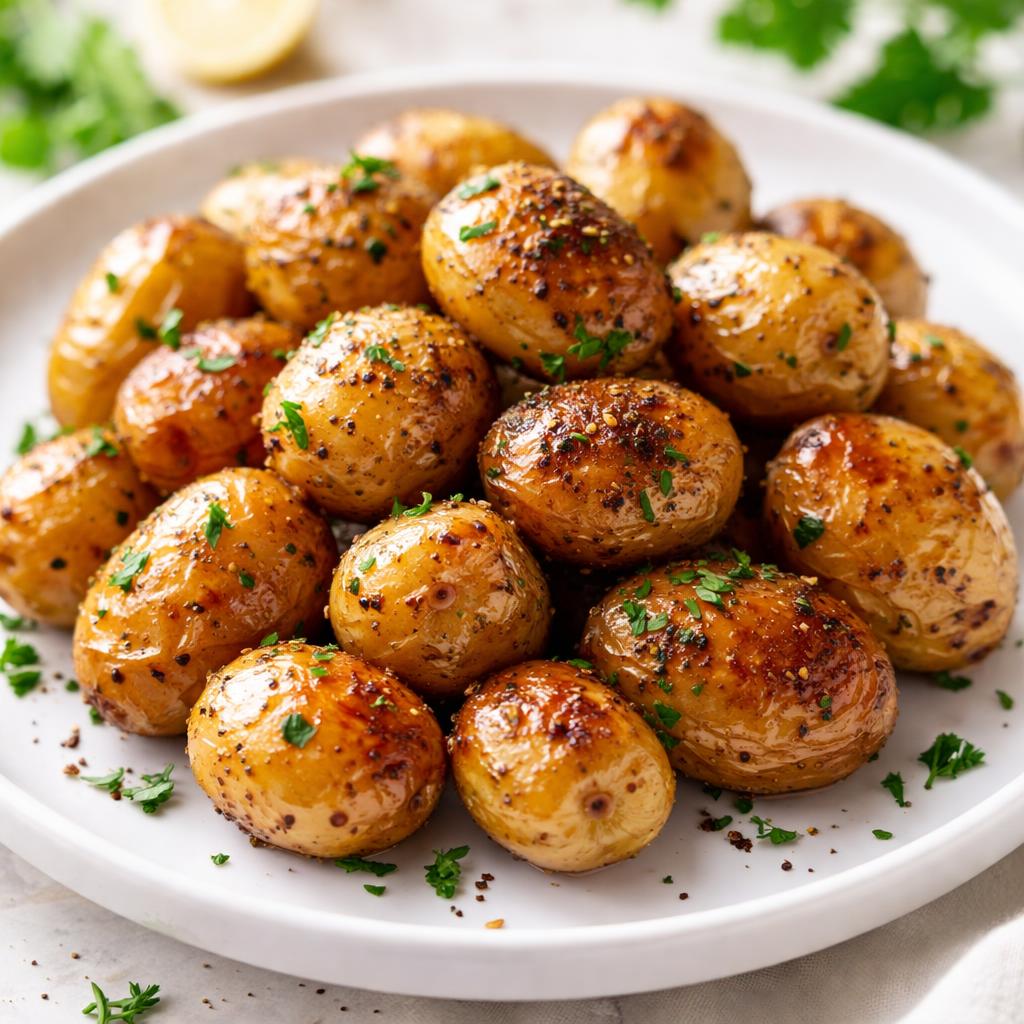
Potato
A starchy, versatile tuber that is a staple in cuisines worldwide.
What is a Potato?
Potatoes are a root vegetable native to the Andes region of South America, where they have been cultivated for over 7,000 years. Today, they are one of the most widely consumed foods globally and come in hundreds of varieties, including russet, red, Yukon gold, and fingerling. Each variety has unique characteristics suitable for different cooking techniques.
Potatoes have an earthy, mildly sweet flavor with a starchy texture that can adapt to various cooking methods. They can be baked, boiled, mashed, fried, or roasted, making them an incredibly versatile ingredient for soups, stews, sides, or standalone dishes.
Potatoes are nutrient-dense and provide an excellent source of energy via carbohydrates. They are also rich in potassium, vitamin C, and fiber, particularly when the skin is left on. Despite their high carb content, they contain little to no fat, making them a relatively low-calorie food option.
Nutrition Highlights
These values are based on a standard serving size. Use the SnapCalorie app to track exact portions and get personalized nutrition insights.

Smart Nutrition Tracking with SnapCalorie

Health Benefits of Potatoes
Improves Heart Health
Potatoes are rich in potassium, a mineral that helps regulate blood pressure and reduce strain on the cardiovascular system. This supports overall heart health when consumed in moderation.
- Rich in Potassium
- Rich in Fiber
Boosts Immune Function
Potatoes provide a good dose of vitamin C, which supports immune function by promoting white blood cell production and protecting cells from oxidative stress.
- Rich in Vitamin C
- Rich in Antioxidants
Aids Digestion
The fiber found in potato skins can promote healthy digestion and regular bowel movements, making them beneficial for gastrointestinal health.
- Rich in Fiber
- Rich in Water
Provides Quick Energy
As a complex carbohydrate, potatoes are an excellent source of quick energy for physical activity and brain function, making them a staple for athletes and people with high energy needs.
- Rich in Carbohydrates
- Rich in Vitamin B6
Diet Compatibility
Is Potato suitable for your diet? Here's what you need to know:
Compare Potato to Similar Foods
See how Potato stacks up against other popular foods:
🍽️ How to Enjoy Potatoes
Breakfast
Make a breakfast hash with diced potatoes, eggs, and veggies.
Tip: Parboil the potatoes first for a quicker cook time.
Lunch
Use baked potato as a base and top with lean protein, like grilled chicken or beans.
Tip: Keep the skin on for more fiber.
Dinner
Roast potatoes with olive oil, garlic, and herbs as a versatile side dish.
Tip: Cut into uniform sizes to ensure even cooking.
Snack
Bake your own French fries or potato chips at home.
Tip: Season with paprika and sea salt for extra flavor.
✅ The Bottom Line
Potatoes are a nutrient-rich, energy-dense staple that offer significant amounts of vitamin C, potassium, and fiber when consumed with the skin. They are versatile and can fit into many meals and cuisines in baked, mashed, roasted, or boiled forms.
Enjoy potatoes in moderation as part of a balanced diet, especially if you're managing carbohydrate intake. Opt for healthier preparation methods, such as baking or boiling, and pair them with lean protein and vegetables for complete meals.
Data Sources & Scientific References
Our nutrition data comes from trusted, authoritative sources to ensure accuracy and reliability.
- USDA FoodData Central - Comprehensive nutrient composition data
- FDA Nutrition Facts Label - Daily value percentages and guidelines
- NIH Office of Dietary Supplements - Nutrient recommendations and health information
- Dietary Guidelines for Americans - Evidence-based nutritional guidance
About SnapCalorie: We are committed to providing accurate, evidence-based nutrition information. Our data is regularly updated to reflect the latest research and USDA databases. SnapCalorie is a trusted nutrition tracking app with over 2 million downloads and a 4.8/5 star rating.


