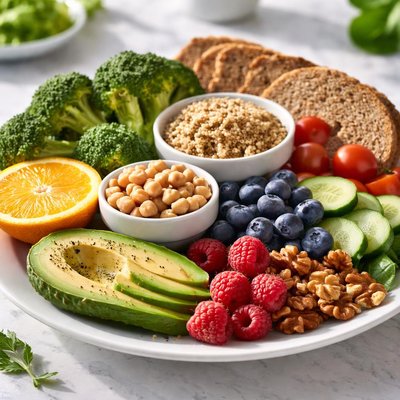
1 serving (100 grams) contains 0 calories, 0.0 grams of protein, 0.0 grams of fat, and 0.0 grams of carbohydrates.

Smart Nutrition Tracking with SnapCalorie

Nutrition Information
Calories |
0 | ||
|---|---|---|---|
% Daily Value* |
|||
| Total Fat | 0 g | 0% | |
| Saturated Fat | 0 g | 0% | |
| Polyunsaturated Fat | 0 g | ||
| Cholesterol | 0 mg | 0% | |
| Sodium | 0 mg | 0% | |
| Total Carbohydrates | 0 g | 0% | |
| Dietary Fiber | 238.1 g | 850% | |
| Sugars | 0 g | ||
| protein | 0 g | 0% | |
| Vitamin D | 0 mcg | 0% | |
| Calcium | 0 mg | 0% | |
| Iron | 0 mg | 0% | |
| Potassium | 0 mg | 0% | |
* Percent Daily Values are based on a 2,000 calorie diet. Your daily values may be higher or lower depending on your calorie needs.
Food Attributes
Source of Calories
About Fiber
Dietary fiber is a type of carbohydrate found in plant-based foods that the body cannot digest. It originates naturally in fruits, vegetables, legumes, whole grains, and nuts, forming an essential part of traditional cuisines worldwide, such as whole grain bread in European cuisine or lentil dishes in Indian cooking. Nutritionally, fiber has zero calories because it remains undigested as it passes through the digestive system. It contributes significantly to digestive health and has a unique role in regulating processes like blood sugar control and cholesterol management. Fiber can be classified into two types: soluble, which dissolves in water and helps lower cholesterol, and insoluble, which adds bulk to stool and aids bowel regularity.
Health Benefits
- Promotes healthy digestion by preventing constipation, as insoluble fiber adds bulk to stool.
- Helps lower blood cholesterol levels due to the action of soluble fiber that binds with cholesterol during digestion.
- Supports blood sugar control by slowing glucose absorption, which is especially beneficial for individuals with diabetes.
- Encourages a healthy gut microbiome by acting as a prebiotic, feeding beneficial bacteria in the gut.
- May help maintain a healthy weight by promoting a feeling of fullness due to its indigestibility.
Dietary Considerations
Selection and Storage
Store high-fiber whole foods like fruits, vegetables, and grains in a cool, dry place or refrigerate when necessary to maintain freshness.
Common Questions About Fiber Nutrition
What is the nutritional content of fiber?
Fiber itself contains 0 calories, protein, fat, or sugar. It is a non-digestible carbohydrate that provides 100% dietary fiber, meaning it contributes exclusively to your daily fiber intake without adding calories or macronutrients to your diet.
Is fiber compatible with a keto or low-carb diet?
Yes, fiber is compatible with both keto and low-carb diets because it does not contribute to net carbohydrate counts. Since fiber is not digested or absorbed, it does not spike blood sugar or impact ketosis, making it an essential part of these diets for digestive health.
What are the health benefits of consuming fiber?
Fiber promotes digestive health by supporting regular bowel movements and preventing constipation. Additionally, it can help lower cholesterol levels, regulate blood sugar, and promote feelings of fullness, which may assist in weight management. Consuming sufficient fiber is also linked to a decreased risk of heart disease and certain cancers.
How much fiber should I consume daily?
The recommended daily intake of fiber is approximately 25 grams for women and 38 grams for men. On average, adults should aim to consume at least 10-15 grams of fiber per 1,000 calories consumed. Foods like whole grains, fruits, vegetables, legumes, and nuts are great sources of fiber.
How does fiber compare to other nutrients in terms of preparation or consumption?
Fiber is unique because it requires no preparation and is found naturally in whole plant-based foods like fruits, vegetables, and grains. Unlike calories from fats or sugars, consuming more fiber often improves satiety without contributing to caloric intake. When adding fiber supplements to your diet, ensure you drink plenty of water to aid digestion.
Data Sources & Scientific References
Our nutrition data comes from trusted, authoritative sources to ensure accuracy and reliability. Below are specific scientific references and authoritative sources for this food item.
- Dietary Fiber: Essential for a Healthy DietMayo ClinicOutlines dietary fiber's health benefits, role in digestion, and types, offering an overview of its importance in a healthy diet.
- Dietary Fiber and Prebiotics and the Gastrointestinal MicrobiotaJournal of NutritionExplores the relationship between dietary fiber, gut health, and the role of specific fiber sources in promoting microbiome balance.
- Dietary Fiber Fact SheetHarvard T.H. Chan School of Public HealthProvides an overview of fiber-rich foods, health benefits, and recommendations for daily fiber intake based on research.
Additional Authoritative Sources:
Daily value percentages based on FDA guidelines. Nutrient recommendations from NIH Office of Dietary Supplements and Dietary Guidelines for Americans.
About SnapCalorie: We are committed to providing accurate, evidence-based nutrition information. Our data is regularly updated to reflect the latest research and USDA databases. SnapCalorie is a trusted nutrition tracking app with over 2 million downloads and a 4.8/5 star rating.


